Vaccination Begins At The Epicentre Of A Major Outbreak
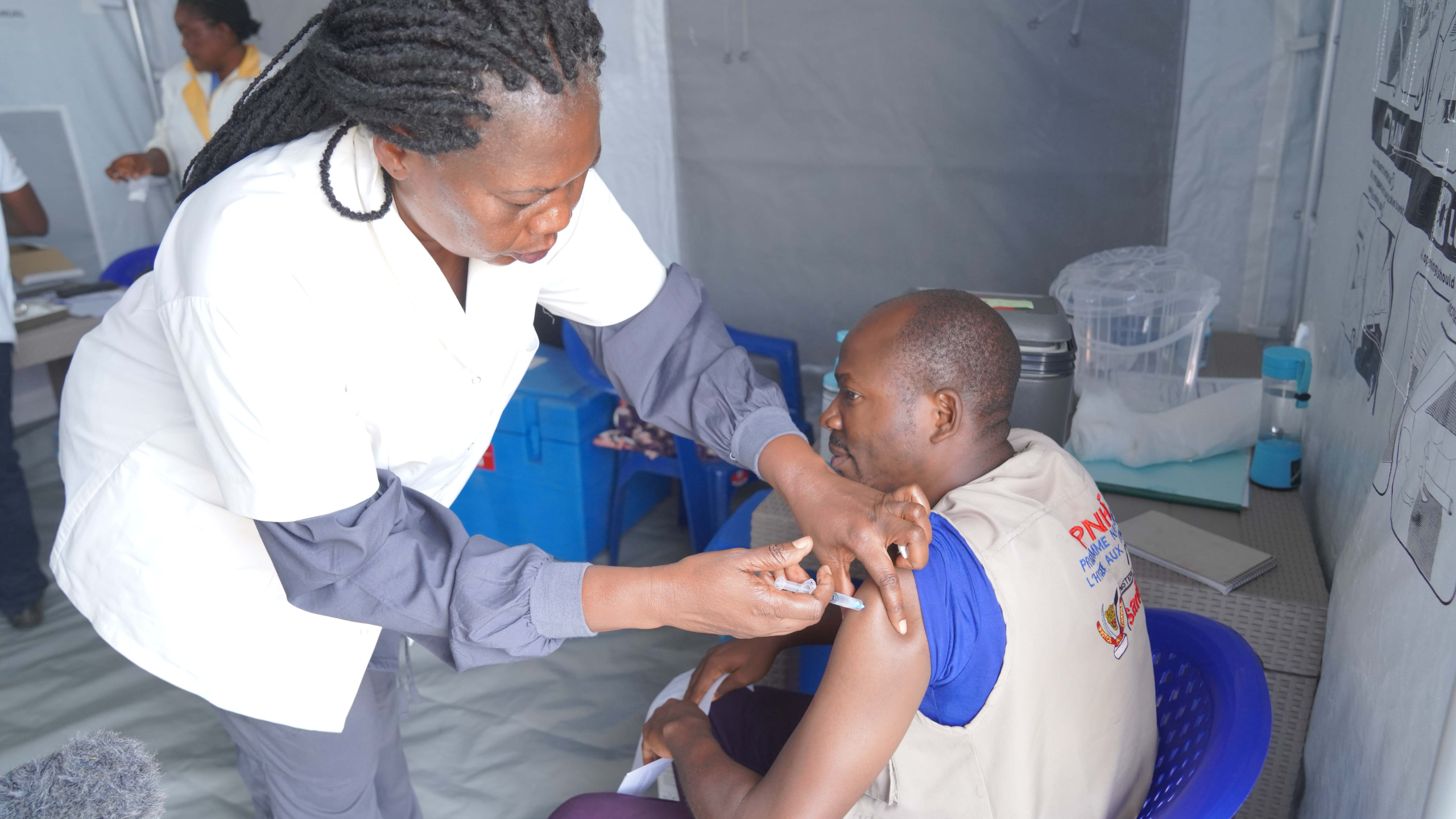
The Democratic Republic of Congo has begun vaccinating frontline healthcare workers against Ebola in Bunia, the centre of the current outbreak in Ituri province.
The campaign is prioritising healthcare workers and others directly involved in the Ebola response because of their high level of exposure while caring for patients and responding to the outbreak. The vaccination programme began on September 19, 2026, in Bunia and is also targeting the nearby Mongbwalu area.
The campaign comes as authorities continue to manage one of the most serious Ebola outbreaks recorded in the country.
Why Are Healthcare Workers Being Prioritised?
Healthcare workers are among the people most directly exposed to Ebola during an outbreak.
Doctors, nurses, laboratory personnel, burial teams and other frontline workers may come into close contact with infected patients or contaminated materials while providing essential services.
Protecting these workers is therefore important for two reasons.
It can help reduce their individual risk while also supporting the wider outbreak response by keeping essential healthcare personnel available to care for patients and conduct surveillance.
The Current Outbreak Is Caused By A Different Ebola Virus
An important scientific issue surrounds the vaccination campaign.
The current outbreak is caused by the Bundibugyo virus, while the Ervebo vaccine being used in the campaign is licensed for Ebola virus disease caused by the Zaire strain.
There is currently no licensed vaccine or proven treatment specifically for Bundibugyo virus disease. Researchers are therefore studying whether Ervebo can provide some protection against the strain responsible for the current outbreak.
This means the vaccination programme is also generating important scientific evidence.
20,000 Frontline Workers To Be Studied
A study led by Médecins Sans Frontières and Epicentre is following approximately 20,000 frontline workers in Ituri and North Kivu.
Participants will be followed for several months to evaluate the potential effectiveness of Ervebo against the Bundibugyo virus in real world outbreak conditions.
The research is being conducted as part of the wider response led by the Congolese Ministry of Health.
The findings could provide valuable information for future outbreak responses involving the same virus.
What Do We Know About Ervebo?
Ervebo has previously been used during outbreaks involving the Zaire strain of Ebola and has played an important role in Ebola response efforts.
However, its effectiveness against the Bundibugyo virus in humans remains uncertain.
The WHO has recommended that Ervebo be used against Bundibugyo virus disease within a research protocol because available evidence is not sufficient to support routine preventive use for this strain.
This distinction is important because protection against one Ebola virus species does not automatically establish protection against another.
The Outbreak Continues To Create Major Challenges
The vaccination campaign is taking place amid difficult conditions.
The outbreak has been affected by insecurity, population displacement, movement of people and disruptions to healthcare services. These factors can make contact tracing, diagnosis, treatment and infection prevention more difficult.
According to Congolese government figures reported on September 19, the country had recorded 7,541 confirmed cases and 3,639 deaths, while 1,823 people had recovered.
The WHO has also warned that continued transmission and geographical spread remain concerns.
Vaccination Is Only One Part Of The Response
Vaccination alone cannot control an Ebola outbreak.
A comprehensive response requires rapid identification of suspected cases, laboratory testing, isolation and appropriate clinical care, contact tracing, infection prevention and control, safe and dignified burials and community engagement.
WHO has highlighted delayed detection and challenges in accessing timely care as important factors affecting the current outbreak.
This makes healthcare infrastructure and trained personnel just as important as vaccine availability.
Why Protecting Health Workers Matters
Healthcare workers are essential to every stage of an outbreak response.
They diagnose patients, provide treatment, monitor contacts, collect samples and support infection prevention activities.
If large numbers of healthcare workers become infected or are unable to work because of unsafe conditions, the healthcare system can become even more vulnerable.
Protecting frontline staff therefore strengthens the overall response capacity.
Research Could Shape Future Ebola Preparedness
One of the most significant aspects of the current campaign is the opportunity to generate evidence about vaccination against Bundibugyo virus.
Researchers are also investigating candidate vaccines specifically designed for this virus.
The information collected from the current vaccination study could help scientists understand whether an existing vaccine provides partial protection and guide decisions about future clinical trials and outbreak preparedness.
The Importance Of Rapid Scientific Response
The situation demonstrates how quickly infectious disease research needs to adapt during an outbreak.
When a virus emerges for which there is no licensed vaccine or established treatment, researchers must work alongside public health authorities to evaluate potential interventions while continuing essential outbreak control measures.
This requires collaboration between governments, international health organisations, researchers, healthcare workers and communities.
What This Means For Global Health
The Ebola situation in Congo is a reminder that emerging infectious diseases can place enormous pressure on healthcare systems.
It also highlights the importance of maintaining vaccine research, laboratory capacity, disease surveillance and trained healthcare teams before emergencies occur.
Investment in these areas can make it possible to respond more quickly when a new outbreak emerges.