Kozhikode Set To Become A Major Centre For Organ And Tissue Transplantation
Kerala is planning a major expansion of its organ transplantation infrastructure with the proposed Keralam Institute of Organ and Tissue Transplant in Kozhikode.
Chief Minister V D Satheesan has announced that the institute is expected to be established within 30 months. The project is planned on 20 acres of land at Chevayur Golf Link Road, with an estimated investment of ₹271 crore.
The proposed institute is expected to bring multiple transplant related services together under one roof and strengthen Kerala’s position in advanced transplant care.
A 350 Bed Transplant Hospital
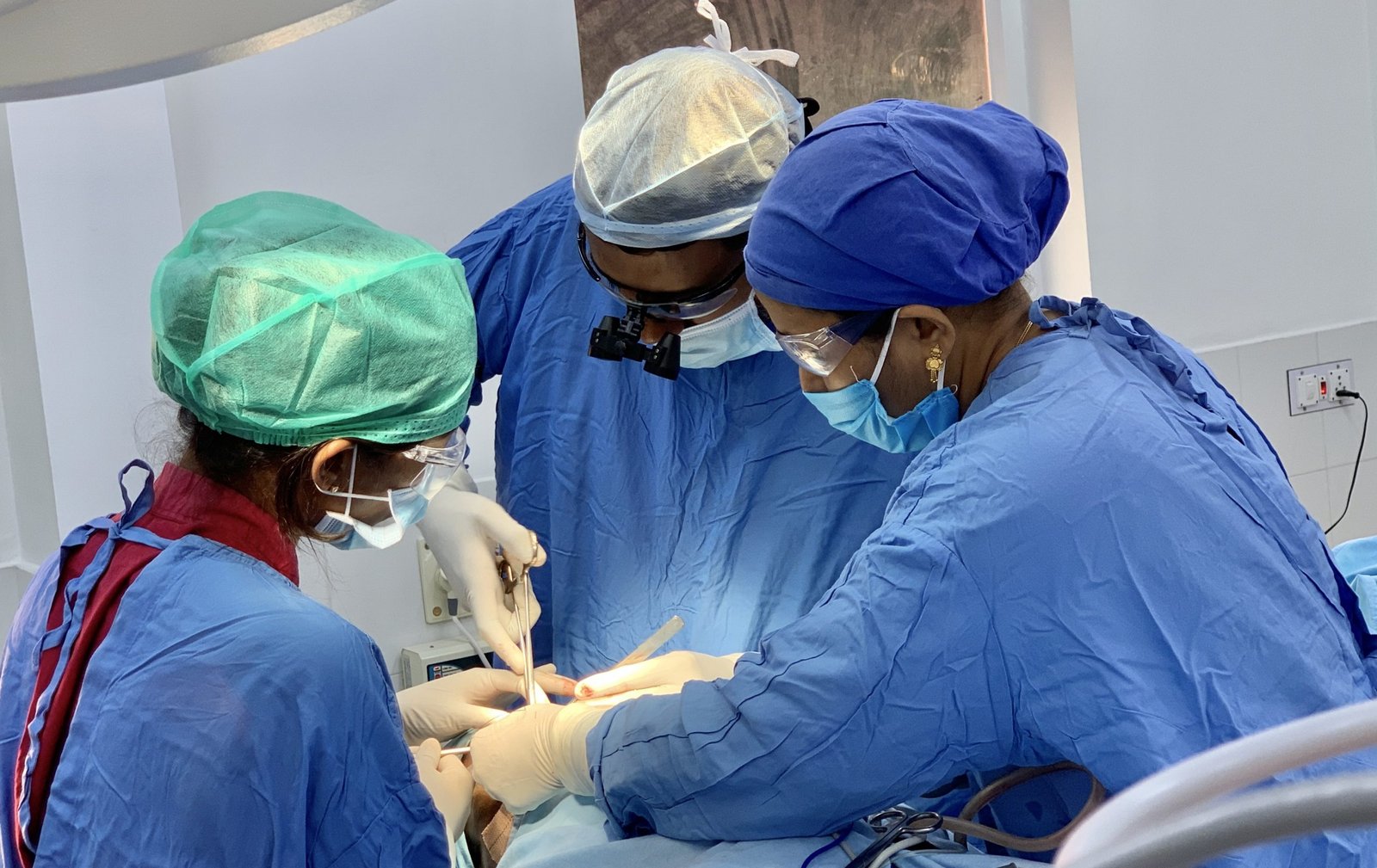
The new hospital complex is planned with 350 beds and 10 operation theatres.
The objective is to create a specialised facility where different stages of organ transplantation can be managed within an integrated healthcare environment.
According to the Chief Minister, bringing transplant related services together at a single institute could reduce treatment expenses substantially, with the government stating that costs could come down to around one third of current expenses.
The actual cost to individual patients will depend on the type of transplant, clinical requirements and other treatment related factors.
Focus On Multiple Types Of Transplants
The institute is being planned as a comprehensive organ and tissue transplantation centre.
The government has outlined annual targets of approximately 1,100 corneal transplants, 520 kidney transplants, 50 heart transplants, 40 lung transplants and 120 bone marrow transplants.
These planned volumes indicate the scale at which the institute is intended to operate once fully established.
Why A Dedicated Transplant Centre Matters
Organ transplantation requires much more than a surgical procedure.
Patients need donor identification, organ retrieval, preservation, transportation, specialist evaluation, surgery, intensive care, immunosuppressive treatment and long term follow up.
Bringing these capabilities together can help create a more coordinated transplant pathway.
Kerala already has an established organ donation and transplantation network through the Kerala State Organ and Tissue Transplant Organisation, which coordinates activities including donor identification, organ retrieval and allocation.
The proposed institute would add a major specialised treatment infrastructure to this wider ecosystem.
Strengthening Healthcare In North Kerala
The choice of Kozhikode is particularly significant for patients in northern Kerala and neighbouring regions.
A dedicated transplant centre in the region could reduce the need for some patients to travel long distances for highly specialised treatment.
The project is also expected to support the development of advanced medical services in the Malabar region and contribute to Kerala’s broader healthcare infrastructure.
Building A Centre For Research
The institute is not being planned only as a treatment facility.
According to the announcement, it will also function as a major research centre.
This could create opportunities for research into transplantation, organ preservation, post transplant care, immunology and other areas connected with advanced transplant medicine.
Developing research alongside clinical services could help create a stronger academic and clinical ecosystem around transplantation.
A New Skin Disease Hospital On The Same Campus
The planned development will also include a separate fully equipped skin disease hospital on the same campus.
The dermatology facility is expected to involve an additional investment of ₹35 crore.
This means the wider Chevayur development is expected to include multiple specialised healthcare facilities rather than focusing exclusively on transplantation.
Beyond Surgery
The proposed initiative also includes wellness and rehabilitation facilities.
According to the announcement, Kerala plans to establish centres focused on rehabilitation and holistic care, including services related to conditions such as stroke. Disease prevention and early diagnosis campaigns are also planned.
This reflects a broader approach in which advanced hospitals are increasingly expected to provide not only procedures but also rehabilitation, prevention and long term care.
Organ Donation Remains A Critical Part
Building transplant infrastructure is only one part of strengthening transplantation.
The availability of donated organs remains essential.
Kerala’s existing organ transplantation system includes mechanisms for identifying potential donors, retrieving organs from deceased donors and allocating organs through established protocols.
As transplant capacity increases, continued public awareness about organ donation and efficient coordination between hospitals, transplant centres and authorities will remain important.
Potential Impact On Patients
If the institute is completed and operates at the planned scale, patients could benefit from greater access to specialised transplantation services within Kerala.
An integrated centre may also help bring transplant surgeons, physicians, critical care specialists, laboratory services, rehabilitation teams and other professionals into a coordinated clinical environment.
For patients requiring complex transplantation, such an ecosystem can be particularly important because successful outcomes depend on care extending well beyond the operating theatre.
Kerala’s Healthcare Destination Ambition
The proposed institute is also part of a wider vision to strengthen Kerala as a healthcare destination for patients from India and abroad.
The Chief Minister said the state intends to leverage its healthcare infrastructure and other advantages to attract domestic and international patients.
Advanced transplantation could become an important component of that ambition, particularly if the state can combine specialised clinical care with research, rehabilitation and coordinated transplant services.
What Comes Next?
The immediate challenge will be turning the proposed plan into operational infrastructure within the announced 30 month timeline.
Construction, procurement of advanced equipment, recruitment and training of specialist teams, regulatory approvals and development of clinical protocols will all be important steps.
The institute will also need strong coordination with Kerala’s existing organ donation and transplant network to ensure that increased treatment capacity translates into meaningful patient access.