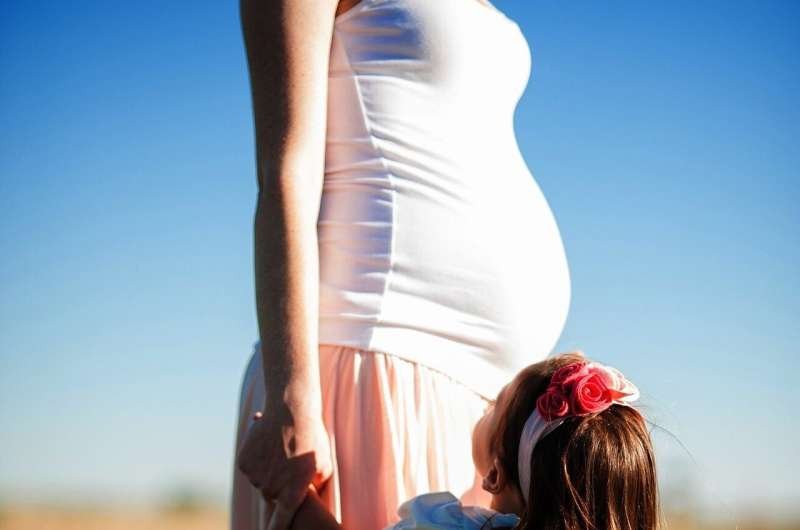
A new Canadian study has brought fresh attention to the invisible dangers in the air we breathe, showing that exposure to certain air pollutants during pregnancy may increase the risk of autism in children.
🔬 What the Study Found
Researchers from Health Canada and leading universities analyzed data from over 2.1 million children born in Ontario between 2000 and 2020. Among them, nearly 19,600 were diagnosed with autism.
The team focused on fine particulate matter (PM2.5), microscopic particles released from vehicle exhaust, industrial emissions, and fires. These particles are small enough to enter deep into the lungs and even reach the bloodstream, potentially affecting fetal development.
⚠️ Key Findings
The study revealed that exposure to sulfate and ammonium particles, components of PM2.5, during the second and third trimesters (weeks 21–36) of pregnancy was linked to a higher risk of autism in children.
Here are some important takeaways:
PM2.5 exposure increased autism risk by about 15%.
The strongest associations were seen for sulfate and ammonium particles.
Ozone exposure during the first year after birth also showed a small but significant increase in risk.
The effects were more pronounced in urban areas, among boys, and in families with low to middle income levels.
Other pollutants like sea salt, dust, or organic matter did not show a consistent link after statistical adjustments.
🧠 Why It Matters
This study highlights that it’s not just the overall air pollution level that matters but the specific chemical components that may influence brain development before birth.
During pregnancy, the developing brain is especially sensitive to environmental factors. These fine pollutants can cause inflammation, oxidative stress, and interference with neural growth, which may contribute to neurodevelopmental disorders like autism.
💚 Protecting Expectant Mothers and Babies
While large-scale pollution control requires government action, families and communities can still take steps to minimize exposure:
Monitor air quality Use air quality apps or local updates to avoid outdoor activity during high pollution days.
Use air purifiers at home, especially in urban areas or near busy roads.
Avoid heavy traffic areas when walking or exercising outdoors.
Promote green living Support local clean-air initiatives and reduce your own emissions where possible.
Encourage awareness Share information about the risks of pollution during pregnancy with others.
🌎 A Call for Cleaner Air
Researchers emphasize that cleaner air isn’t just an environmental issue; it’s a public health priority. Protecting expectant mothers from harmful air pollutants can help ensure healthier beginnings for future generations.
At The Doctorpreneur Academy, we help doctors build impact and authority using health education as a service.
✅ Final Takeaway
Clean air matters for healthy beginnings.
Support pollution control, greener living, and awareness for pregnant women and young children.
👉 To register for our next masterclass, please click here: https://linktr.ee/docpreneur