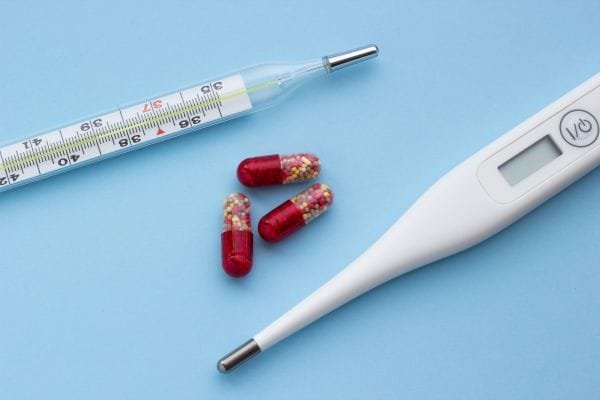
For decades, paracetamol has been the trusted first line of defense against fever. But this monsoon season, doctors across India are noticing a worrying trend: patients are coming in with stubborn fevers that do not respond to paracetamol alone.
From OPDs in metro hospitals to small-town clinics, patients are reporting persistent high temperatures, even after taking standard doses of Dolo-650 or similar tablets.
Why Is This Happening?
1. More Intense Viral Strains
Doctors are observing that this season’s viral infections are more aggressive and long-lasting. A doctor from PSRI Hospital, New Delhi,, explains, “Some viral infections circulating this season are showing higher intensity and persistence, which means a single medicine may not always be enough to control the fever.”
2. Wrong Usage of Medicine
Skipping doses, taking too little, or not following the recommended six-hour interval can make paracetamol seem “ineffective.”
3. Not Every Fever Is Viral
Underlying causes like dengue, flu, bacterial infections, typhoid, or pneumonia often need targeted treatments. Paracetamol can only control symptoms—it does not cure the infection itself.
When Should Patients See a Doctor?
Doctors recommend medical attention if:
- Fever persists beyond 48 hours despite correct dosing.
- Temperature rises above 102–103°F.
- Warning signs appear: severe headache, chest pain, difficulty breathing, vomiting, rash, abdominal pain, or weakness.
Children, the elderly, and patients with heart disease, diabetes, or low immunity should get checked even earlier.
The Bigger Picture for Doctors in India
This trend means Indian doctors will see:
- More patients need investigations like blood tests, dengue/flu panels, or chest X-rays to identify the real cause.
- Increased counseling needs, as families often self-medicate without realizing risks.
- Pressure to balance awareness and antibiotic stewardship, since not all stubborn fevers require antibiotics.
With changing viral patterns, climate shifts, and lifestyle factors, fevers are becoming less predictable and often more resistant to simple treatment. This will likely continue to be a recurring challenge during seasonal outbreaks.
Learnings for Doctors in India
- Go beyond symptom relief—identify underlying infections early.
- Educate families – Explain why fevers don’t always respond to paracetamol.
- Promote supportive care—hydration, nutrition, and rest are as important as medication.
- Use digital tools—share awareness updates with patients to reduce panic and self-medication.
Doctors at The Doctorpreneur Academy are using this challenge as an opportunity to lead patient education. By writing blogs, sharing preventive videos, and posting seasonal health tips, they are building stronger trust with their communities.
For example, several Academy doctors are now integrating fever management guides into their clinic websites and patient apps. This helps families know when to use paracetamol, when to rest, and when it’s time to consult a doctor.
By combining clinical expertise with digital platforms, these doctors are not just treating fevers but also reducing misinformation and empowering patients with knowledge.
Final Word
Paracetamol still works for most mild fevers—but this season proves that one pill cannot solve every fever. As infections evolve, doctors must guide patients to look beyond quick fixes and focus on timely diagnosis, supportive care, and rational treatment.
👉 Learn how Academy doctors are adapting to seasonal health challenges at The Doctorpreneur Academy.
👉 To register for our next masterclass, please click here: https://linktr.ee/docpreneur