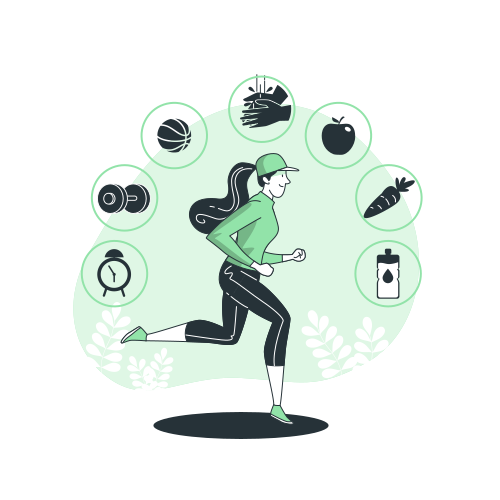
Simple, science-backed ways to feel better—without fads or quick fixes.
In today’s world, wellness advice is everywhere—often loud, conflicting, and trend-driven. But true health isn’t about chasing hacks. It’s about cultivating habits you can sustain for life. According to Wynne Armand, a primary care physician at Harvard-affiliated Mass General Brigham, five simple practices consistently support long-term health and well-being.
1) Bring Mindfulness Into Your Day
Mindfulness and meditation help reduce stress, improve sleep, and sharpen focus. When we’re stuck worrying about the past or future, stress hormones rise—impacting the heart, brain, and sleep.
Mindfulness anchors you in the present. This can be as simple as noticing birds or plants during a walk, or using apps like Calm or Headspace. Mindful eating—slowing down to savor meals—can also support healthier food choices.
Try this: Box breathing (inhale–hold–exhale–hold in equal counts) to calm the nervous system and steady your mind.
2) Prioritize Quality Sleep
Poor sleep affects mood, immunity, memory, judgment, and long-term health. Most adults need about seven hours a night, but quality matters just as much as quantity.
Healthy sleep habits include:
- Consistent bed and wake times
- Regular physical activity
- Avoiding caffeine late in the day
- Limiting alcohol and heavy meals at night
- Powering down screens at least 30 minutes before bed
If you still struggle—or feel tired during the day—talk with a clinician about possible sleep disorders like sleep apnea.
3) Eat Real, Whole Foods
Diets rich in vegetables, fruits, legumes, pulses, and minimally processed foods are linked to longevity and lower risk of heart disease, diabetes, obesity, and some cancers.
Highly processed foods often contain excess salt, sugar, artificial sweeteners, and additives that can drive cravings while reducing nutritional value. Plant-forward eating supports both personal health and the planet.
Aim for: More foods that grow, fewer foods that are made.
4) Move More, Sit Less
You don’t need a single perfect workout—movement throughout the day matters. Beyond a daily exercise block, look for ways to stay active in enjoyable, creative ways.
Walk during phone calls, meet friends for a stroll after coffee, or swap sitting time for gentle stretching. If mobility is limited, adaptive activities can still build strength and flexibility safely.
Reframe movement: Choose what keeps you mobile, flexible, and able to live fully—today and long term.
5) Protect Yourself From Everyday Toxins
Modern life brings exposure to air pollution, microplastics, and PFAS (“forever chemicals”). These can affect the lungs, heart, blood vessels, and more.
Reduce exposure at home:
Consider electric or induction cooking when possible
Use a quality water filter to limit PFAS and microplastics
Replace plastic containers with glass or stainless steel
Run a properly sized air purifier (MERV 13+ filter) during poor air quality
Ventilate gas stoves; open windows when cooking
At The Doctorpreneur Academy, we help doctors build impact and authority using health education as a service.
✅ Final Takeaway
Health doesn’t come from extremes. It comes from steady, repeatable choices—mindful moments, restorative sleep, real food, daily movement, and a cleaner environment. Adopt these habits gradually, model them for your family, and let consistency—not trends—shape your well-being.
If you want, I can also shorten this into a LinkedIn article, turn it into an Instagram carousel, or localize it for an Indian audience.
👉 To register for our next masterclass, please click here: https://linktr.ee/docpreneur