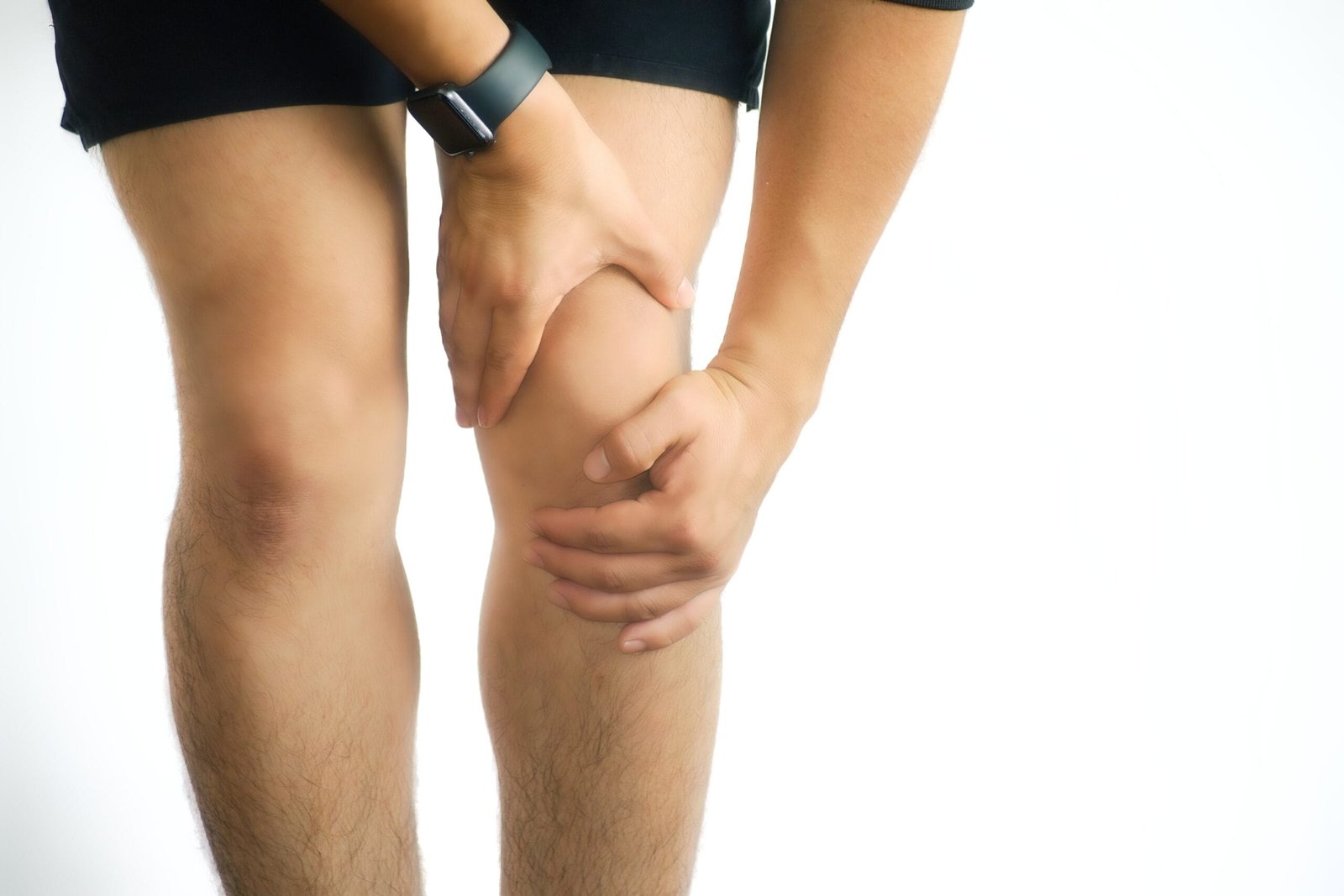
If you’ve ever noticed your knee making crackling or grinding sounds after surgery, you’re not alone. Known as knee crepitus, these sounds are especially common in patients who undergo anterior cruciate ligament reconstruction (ACLR). A recent study published in Arthritis Care & Research sheds light on what these noises really mean for recovery.
For doctors in India, where sports injuries and orthopedic cases are on the rise, this research offers valuable insights for patient counseling and management.
What the Study Found
The study followed 112 young adults one year after ACL surgery and monitored their knee health for five years.
1. Cartilage Damage Connection
Patients with crepitus were 2.7 times more likely to show cartilage lesions in the patellofemoral joint. This suggests that crepitus may be an early warning sign of cartilage changes.
2. Short-Term Symptoms
At one year post-surgery, crepitus was linked to:
- Worse knee pain
- Lower quality of life
- Reduced functional ability
3. Long-Term Outlook
Interestingly, crepitus did not predict future osteoarthritis (OA) features. In fact, patients with crepitus showed greater improvements in pain and function between years 1 and 5 than those without crepitus.
4. Clinical Meaning
Knee crepitus should not cause unnecessary alarm about long-term deterioration. Instead, it signals the need for symptom management and functional rehabilitation.
What Does This Mean for Doctors in India?
- Counsel Patients Wisely
Instead of fueling fear, explain that crepitus is common after ACLR and not necessarily a predictor of arthritis. - Focus on Function
Encourage rehab programs that prioritize strength, mobility, and pain management rather than just structural findings. - Set Realistic Expectations
Patients should know that noises from the knee are not always a sign of worsening damage—they may improve over time with proper care.
Is This a Trend Going Forward?
Yes. With more young Indians involved in sports, fitness, and active lifestyles, ACL injuries are becoming increasingly common. Understanding recovery patterns—including symptoms like crepitus—will help doctors provide reassurance and evidence-based guidance.
Learnings for Doctors
- Don’t dismiss crepitus—it can indicate early cartilage changes.
- Don’t over-medicalize it either—long-term outcomes are not necessarily worse.
- Balance the message—encourage patients to stay consistent with rehab while monitoring pain and function.
How Doctors Inside The Doctorpreneur Academy Are Preparing
At The Doctorpreneur Academy, doctors are learning to combine clinical expertise with patient education tools. For conditions like ACL recovery, they:
- Create digital rehab guides and explainer videos for patients.
- Use blogs, webinars, and apps to address patient fears about noises and post-surgical symptoms.
- Share strategies within the Academy community for better orthopedic counseling.
- Stay future-ready, blending medical knowledge with digital communication to support patients beyond the clinic.
By adopting this approach, Academy doctors are building trust and improving recovery experiences for patients.
Conclusion
Knee crepitus after ACL surgery may sound worrying, but research shows it’s not a predictor of future arthritis. Instead, it’s a sign that doctors should focus on managing symptoms, guiding rehabilitation, and reassuring patients.
Doctors at The Doctorpreneur Academy are already leading the way by using digital education and community support to make recovery smoother, clearer, and more patient-friendly.
💡 The sound of healing isn’t always silent—sometimes, it pops and cracks on its way to recovery.
👉 To register for our next masterclass, please click here: https://linktr.ee/docpreneur