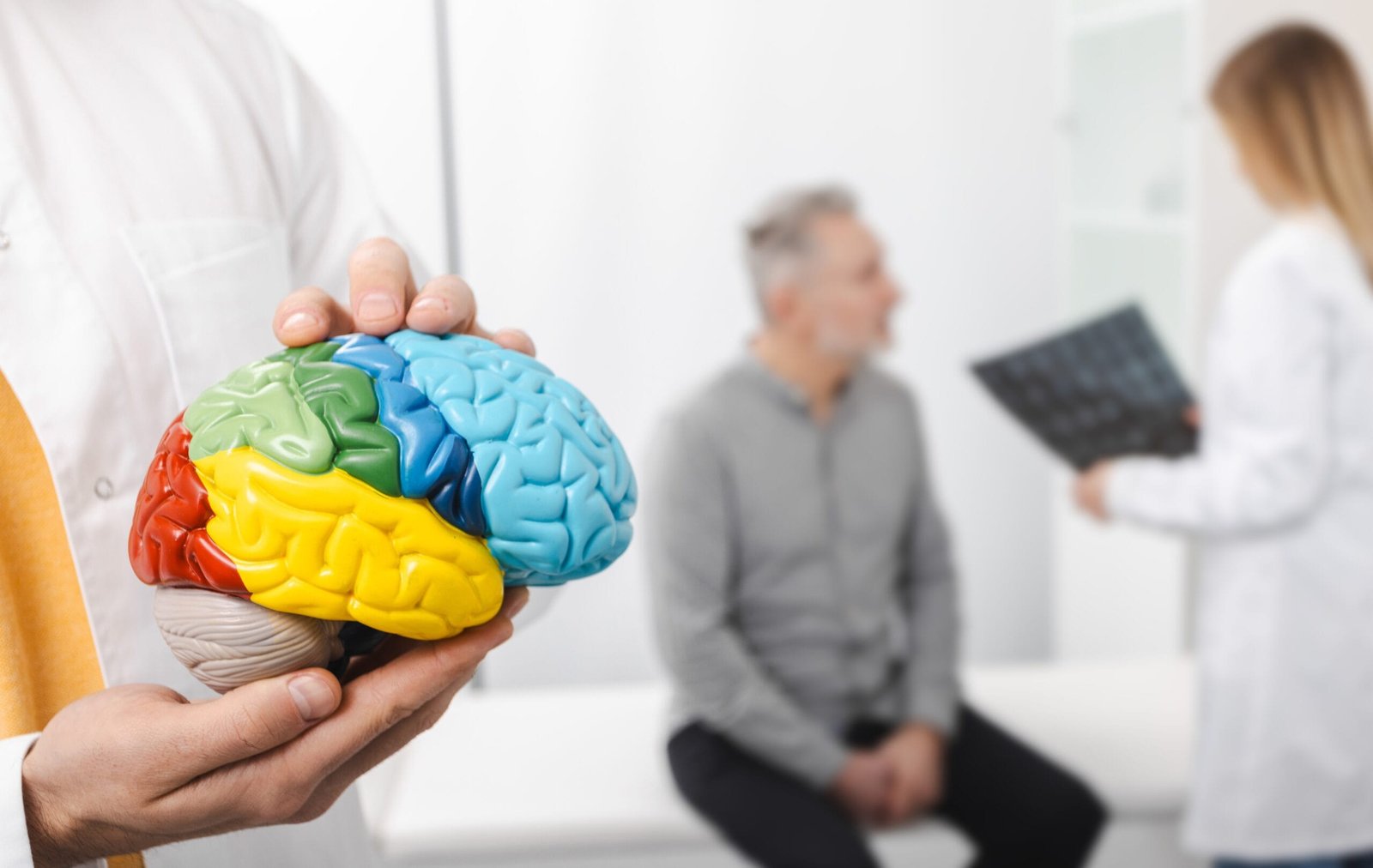
Parkinson’s disease is a progressive disorder that affects movement and quality of life. Patients often face symptoms like tremors, stiffness, slowed movement, and challenges with balance. But new research from CMC Vellore shows that something as simple and accessible as cycling can bring remarkable improvements to patients living with Parkinson’s.
This discovery is not just about physical activity—it’s about how exercise can actually retrain the brain and improve daily living.
How Cycling Helps the Brain
The study focused on Parkinson’s patients with deep-brain stimulation devices, using specially designed stationary bikes. Participants cycled at about 80 revolutions per minute for 30 minutes, several times a week.
The results were striking:
- Cycling promoted neuroplasticity, the brain’s ability to rewire and form new connections.
- It increased protective chemicals like BDNF (Brain-Derived Neurotrophic Factor), which helps nerve survival and supports new synaptic growth.
- Patients showed better brain activity linked to movement control, translating into real improvements in daily functioning.
Benefits Beyond the Brain
Cycling doesn’t just improve brain health—it also boosts physical and mental well-being.
- Motor Symptoms: Reduces tremors, stiffness, and slowness.
- Balance and Posture: Lowers the risk of falls and freezing gait.
- Mental Health: Enhances mood and energy and may even slow disease progression.
Practical Recommendations
Doctors can confidently suggest cycling as a safe and effective therapy for Parkinson’s patients.
- Safer Options: Use stationary or motor-assisted bikes to prevent falls.
- Routine: Encourage 30 minutes of moderate-to-vigorous cycling at least 3 times per week.
- Holistic Approach: Combine with strength training, yoga, or tai chi to further improve balance and flexibility.
What Does This Mean for Doctors in India?
With the growing number of Parkinson’s cases in India, doctors now have a low-cost, accessible intervention that patients can integrate into their daily lives.
- This opens opportunities for community-based exercise programs, especially in urban and semi-urban centers.
- It highlights the importance of doctors going beyond prescriptions and embracing lifestyle and rehabilitation therapies.
- Doctors can encourage families to support patients in building these exercise routines for better adherence.
Learnings for Doctors
- Early Intervention Matters: Encourage Parkinson’s patients to start exercise as soon as possible.
- Holistic Care: Pair medication with structured physical activity for improved outcomes.
- Patient Education: Reassure patients that exercise can be as therapeutic as medical treatment in slowing disease impact.
How Doctors Inside The Doctorpreneur Academy Are Leading
At The Doctorpreneur Academy, doctors are learning to integrate such innovative, evidence-based lifestyle approaches into their practice.
- Digital Education: Sharing awareness content on platforms where patients spend their time.
- Community Engagement: Encouraging group cycling or wellness programs to increase participation.
- Patient-Centric Care: Offering holistic treatment plans that combine medical and lifestyle solutions.
By embracing these practices, Academy doctors are building stronger patient trust and improving long-term outcomes.
Conclusion
Cycling is more than just an exercise—it’s a neuroprotective therapy that helps Parkinson’s patients move better, feel better, and live better. It proves that sometimes, the most powerful solutions are also the simplest.
Doctors at The Doctorpreneur Academy are already championing these preventive and lifestyle-based approaches, making healthcare more holistic, accessible, and future-ready.
🚴 Every revolution of the pedal is a step toward rewiring the brain and restoring quality of life.
👉To register for our next masterclass, please click here: https://linktr.ee/docpreneur