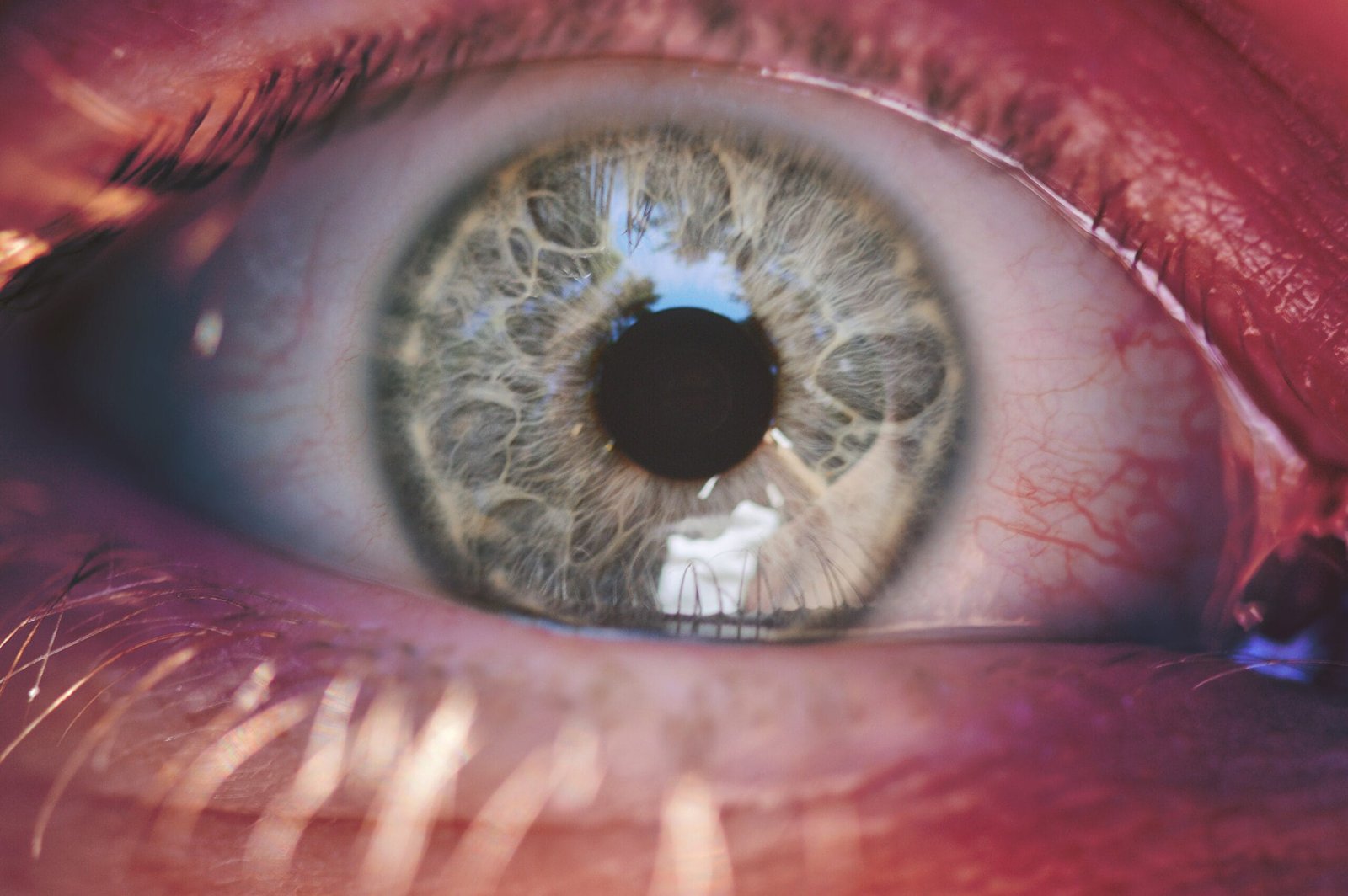
What if a simple eye exam could tell you more than just whether you need glasses? New research suggests it might also reveal your risk of developing dementia—up to 20 years before symptoms appear.
Scientists at the Jackson Laboratory have found that changes in the retinal blood vessels—such as twisted vessels or narrowed arteries—are linked to genetic mutations associated with dementia, especially the MTHFR677C>T mutation. Since the retina is an extension of the brain, these changes provide a non-invasive way to detect neurological decline long before memory loss begins.
The Eye as a Window to the Brain
- Early Biomarker: Retinal scans can serve as a biomarker for brain health.
- Two Decades Ahead: Potential warning signs of dementia can appear in eye exams up to 20 years before symptoms.
- Genetic Link: The study connected retinal changes with mutations that raise dementia risk, showing how vision and cognition are closely intertwined.
The Role of Lifestyle in Prevention
While genetics matter, lifestyle choices can strongly influence brain health. In fact, research has shown that following a Mediterranean diet—rich in vegetables, fruits, legumes, fish, and healthy oils—can reduce dementia risk by up to 35%, even in those with a high-risk APOE4 gene.
Other protective measures include:
- Regular physical activity
- Mental stimulation and learning
- Managing hypertension and diabetes
- Prioritizing sleep and stress management
What This Means for Doctors in India
- Routine Screenings
Eye exams should be promoted not just for vision but as part of routine neurological preventive care. - Patient Education
Doctors must explain to patients that brain health is influenced by both biology and lifestyle choices. - Holistic Care
Combining retinal screening with diet counseling, exercise programs, and early cognitive health interventions can reduce the impact on patients and families.
Learnings for Doctors
- Think Beyond the Clinic: Early dementia prevention is possible with tools as common as an eye exam.
- Bridge Disciplines: Ophthalmologists, neurologists, and general practitioners should collaborate in preventive care.
- Promote Lifestyle Medicine: Encourage patients to adopt diets and habits that protect brain health, regardless of genetic predisposition.
At The Doctorpreneur Academy, doctors are already adopting such forward-thinking approaches by:
- Creating digital content to raise awareness about preventive health and brain care.
- Guiding patients through lifestyle modifications alongside clinical practice.
- Building personal platforms to spread scientific research in simple, patient-friendly ways.
- Networking with peers to explore AI-based retinal screening tools and holistic preventive strategies.
By blending medical expertise with digital communication, Academy doctors are showing patients that prevention can start with something as simple as an eye exam.
Conclusion
The eyes may truly be the window to the soul—but they are also a window to the brain. Early detection of dementia through routine eye exams, combined with healthy lifestyle choices, offers hope in tackling one of the greatest healthcare challenges of our time.
Doctors at The Doctorpreneur Academy are leading this shift—making preventive care not just a concept but a practical reality.
💡 Your next eye exam might do more than protect your sight—it could protect your mind.
👉To register for our next masterclass, please click here: https://linktr.ee/docpreneur