India just took a bold step by slapping a 40% GST on sugary drinks, placing them in the same category as alcohol and tobacco. The message is clear: sugar is no longer just a lifestyle choice—it’s a public health menace.
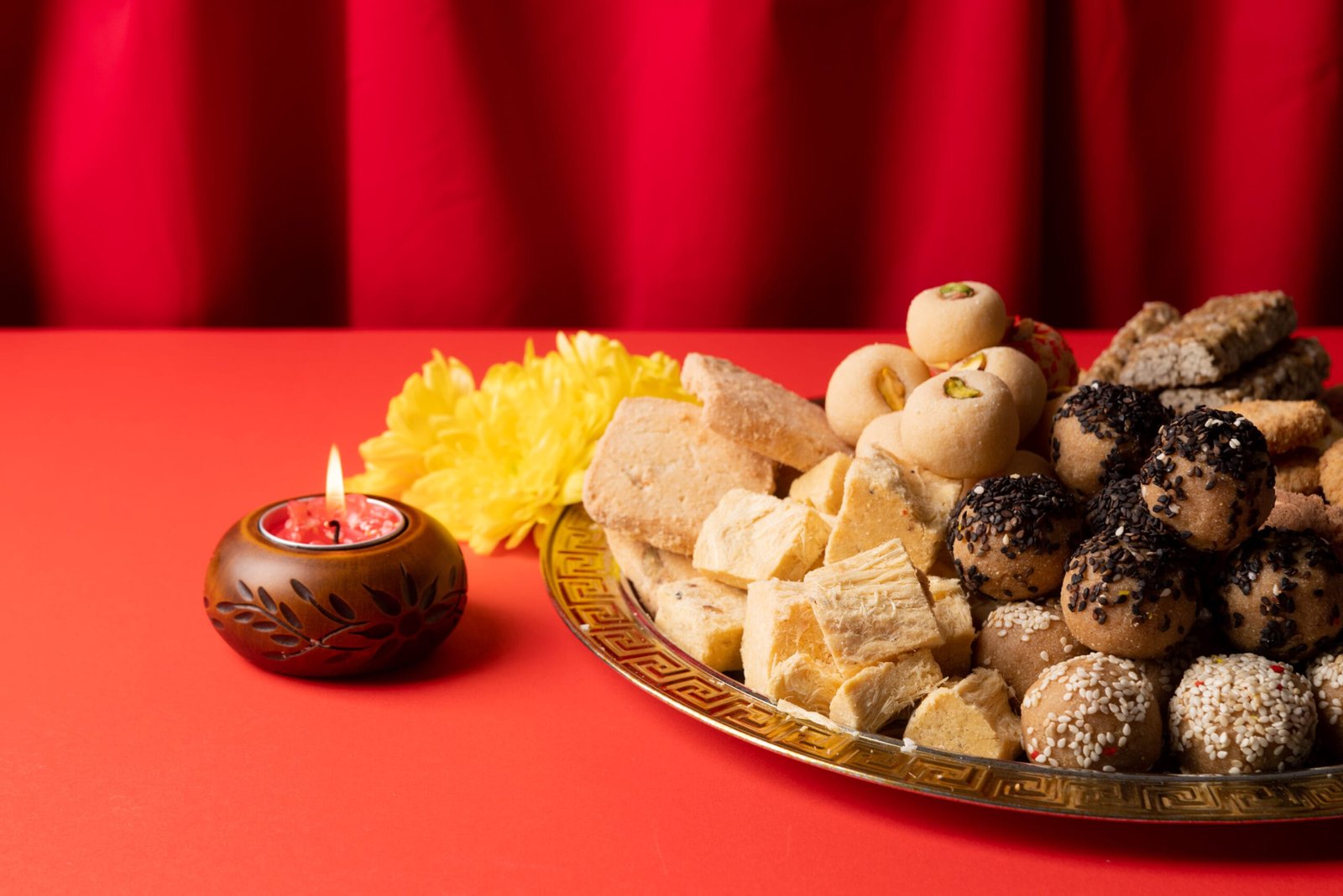
And yet, in the very same breath, Indian sweets—gulab jamuns, kaju katlis, rasgullas, and laddus—have been granted a tax concession, reduced from 18% to just 5%.
The contradiction is striking. If sugar is poison in a cola can, how does it suddenly become harmless when wrapped in tradition and served at weddings, temples, and festivals?
The Numbers Don’t Lie
- Sugar Guidelines: The Indian Council of Medical Research (ICMR) recommends that added sugar should contribute to no more than 5% of daily calories (lower than WHO’s 10% guideline).
- Reality Check: Urban Indians consume 80–90 grams of sugar daily, which is more than three times the recommended safe limit.
- Mithai vs. Cola:
- 1 gulab jamun = ~56 grams of carbs (mostly sugar).
- 1 glass of cola (250 ml) = ~26 grams of sugar.
- The Epidemic: India now has 101 million diabetics and another 136 million pre-diabetics—nearly 1 in 5 Indians.
The Cultural Blind Spot
So why the double standard?
- Sugary drinks: Seen as Western, urban, and modern—easy to villainize.
- Indian sweets: Woven into festivals, rituals, and family traditions—politically untouchable.
Public health experts argue this is policy driven by sentiment, not science.
Diabetologist warns:
“It’s not alcohol or tobacco that brings a patient with fatty liver at 35—it’s sugar. And sugar is everywhere, especially in sweets.”
Political Calculus: Sweet Over Science
Raising taxes on sweets is unpopular and risky. From mithaiwala associations to cultural lobbies, resistance is fierce. Politicians know that touching sweets—symbols of tradition and joy—could trigger backlash, especially in rural India.
But as a cardiologist notes:
“We confuse homemade with healthy. That gulab jamun may have more sugar than a cola, but we dismiss it as harmless because it feels familiar.”
What Needs to Change
If India wants to be serious about tackling diabetes and obesity, here are steps experts recommend:
- Uniform Sugar Taxation: Extend “sin tax” to all high-sugar foods, including traditional sweets.
- Front-of-Pack Warnings: Clear, color-coded labels highlighting sugar content.
- No Sentimental Exemptions: Festivals and temple prasad should not bypass health warnings.
- Support Healthier Alternatives: Incentivize small businesses to develop low-sugar versions of mithai.
- National Sugar Awareness Campaign: Similar to tobacco and sanitation drives.
What This Means for Doctors in India
Doctors must play a dual role:
- Clinicians: Manage the explosion of lifestyle diseases linked to sugar.
- Educators: Raise awareness that sugar is sugar, no matter its cultural packaging.
- Advocates: Push for consistent, science-driven health policy rather than symbolic reforms.
At The Doctorpreneur Academy, doctors are:
- Educating digitally: Sharing blogs, reels, and webinars that simplify complex health data for the public.
- Fighting myths: Addressing cultural blind spots around sugar and sweets.
- Shaping policy discussions: Using their collective voice to advocate for science-based reforms.
- Innovating in practice: Recommending diet shifts, healthier recipes, and lifestyle changes to patients.
Conclusion
India’s GST reform shows courage on one hand and cultural compromise on the other. Taxing colas at 40% is a welcome step—but stopping short of taxing sweets is regulatory hypocrisy that weakens the fight against diabetes and obesity.
Doctors at The Doctorpreneur Academy are sounding the alarm: public health cannot be selective. If we truly want to protect the next generation, we must treat sugar with consistency, not sentiment.
💡 Sugar doesn’t care about culture—it only cares about your pancreas.
👉To register for our next masterclass, please click here: https://linktr.ee/docpreneur