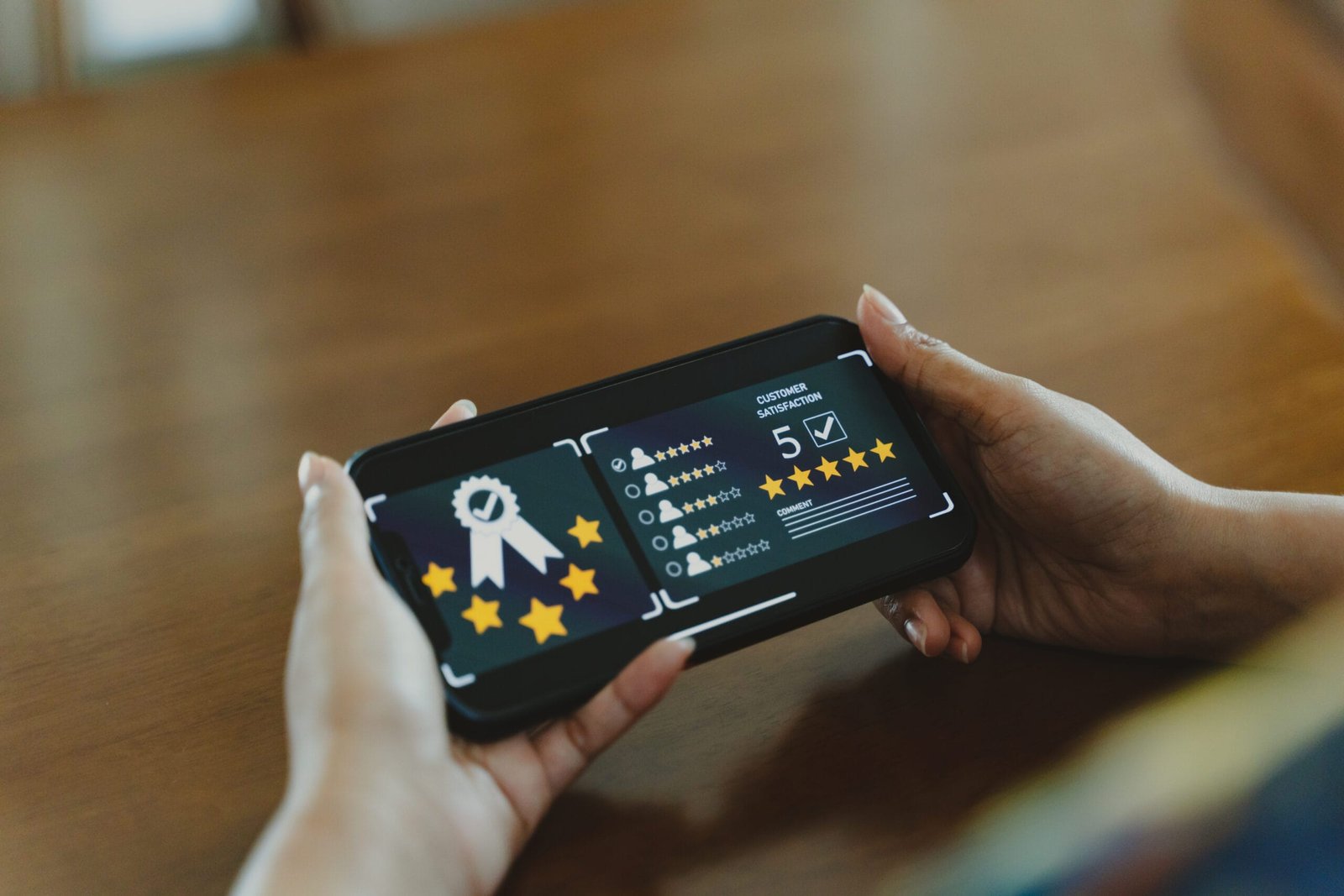
Healthcare is undergoing a quiet revolution. Beyond medicines and surgeries, digital therapeutics (DTx) and gamified apps are becoming powerful tools to engage patients, support lifestyle changes, and improve outcomes. What was once “play” is now being harnessed as “therapy.”
Digital Therapeutics: Apps as Medicine
Digital therapeutics are no longer just wellness add-ons—they’re being integrated into mainstream medical treatments. These apps can:
- Help patients adhere to medication schedules.
- Support lifestyle modifications for chronic illnesses like diabetes and hypertension.
- Provide behavioral therapy for conditions such as ADHD or depression.
In some cases, they’re prescribed alongside or even in place of traditional medicines.
Regulation: Still Evolving
- In the U.S., most apps don’t require FDA approval unless classified as medical devices.
- The European Union, Korea, Japan, and China are drafting frameworks to regulate healthcare apps more closely.
- India, too, is beginning conversations on how to integrate digital tools safely into its healthcare ecosystem.
For doctors, this means staying alert to the changing legal and regulatory landscape.
Gamification: The Engagement Booster
Gamification—the use of game-like elements such as points, badges, challenges, and rewards—has shown remarkable benefits in healthcare:
- 80% of studies confirm that gamification improves patient outcomes.
- Patients become more motivated to follow treatment plans.
- Feedback loops, progress tracking, and rewards foster long-term self-management.
For chronic conditions like diabetes, hypertension, and obesity, gamified apps turn daily health routines into achievable challenges.
Examples That Inspire
- EndeavorOTC: The first FDA-approved video game therapy for ADHD.
- MySugr: A diabetes app that transforms blood sugar tracking into a “monster-taming” game.
- Re-Mission: A game that empowers young cancer patients by helping them visualize and fight cancer cells inside the body.
These examples prove that health doesn’t have to be boring—it can be interactive, empowering, and even fun.
The Challenges
- Sustainability: Patients may lose interest if gamification feels repetitive.
- Balance: Engagement features must motivate without overwhelming or frustrating users.
- Access: Not all patients, especially in rural India, may have smartphones or digital literacy to fully benefit.
The Future: “An App a Day Keeps the Hospital Away”
The traditional saying “an apple a day keeps the doctor away” may soon evolve into “an app a day keeps the hospital away.”
As healthcare becomes increasingly digitized, doctors must learn to integrate digital therapeutics into practice, ensuring patients use them safely and effectively.
What This Means for Doctors in India
- Patient Counseling: Guide patients toward safe, evidence-based apps rather than unverified ones.
- Awareness: Educate families on how gamification can complement, not replace, treatment.
- Adoption: Consider incorporating DTx into chronic disease management programs.
- Leadership: Advocate for regulations that balance innovation with patient safety.
At The Doctorpreneur Academy, doctors are:
- Exploring gamified solutions for patient education and engagement.
- Developing digital health literacy campaigns for patients and communities.
- Collaborating on digital-first initiatives that align with India’s healthcare needs.
- Equipping themselves with tools to integrate DTx into their practice.
Conclusion
Gamification is more than a trend—it’s a transformative approach that combines psychology, technology, and healthcare. For patients, it makes the healing journey engaging. For doctors, it opens new ways to connect, motivate, and improve outcomes.
Doctors at The Doctorpreneur Academy believe that the future of healthcare lies not only in the clinic but also in the apps patients carry in their pockets.
💡 When health feels like a game, patients are more likely to play—and win.
👉To register for our next masterclass, please click here: https://linktr.ee/docpreneur