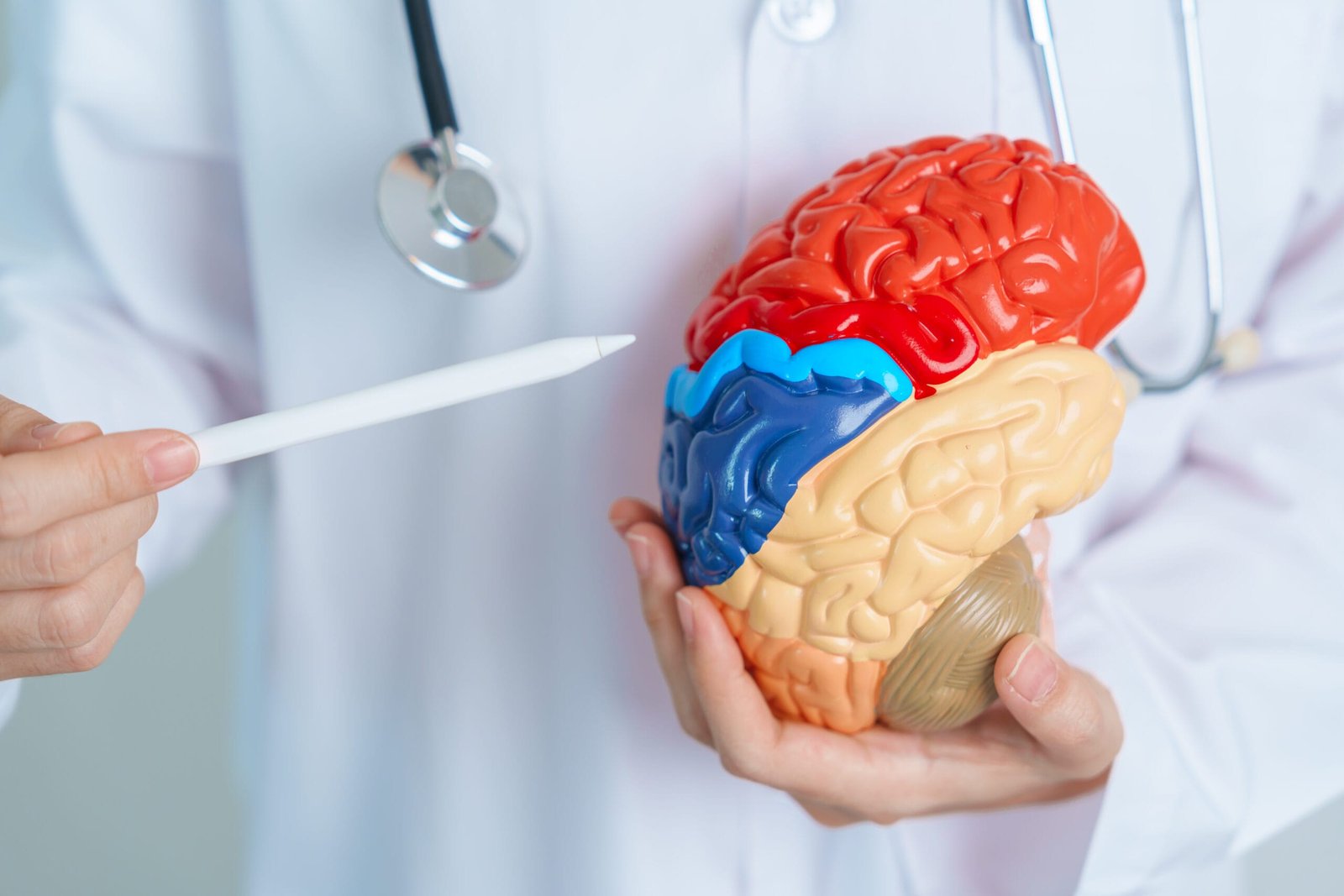
The concept of brain death has always been sensitive, lying at the intersection of medicine, ethics, law, and organ donation. Recently, the Supreme Court of India was asked to review a claim by a Kerala-based doctor who argued that brain death is a “fictitious concept” designed to facilitate organ trade. The Court’s response has reignited debates in both the medical and legal communities.
What Was the Argument?
- The petitioner (a doctor) claimed that brain death, as defined under the Transplantation of Human Organs and Tissues Act (THOTA), 1994, is unscientific.
- He alleged that the definition primarily serves the purpose of organ trade, rather than patient welfare.
- He also argued that declaring a patient “brain dead” while the heart is still beating violates constitutional rights.
The Court’s Response
- Separation of Powers
- The justices stated that the definition of brain death is set by Parliament under THOTA.
- Courts cannot unilaterally change or redefine this; it requires government action.
- Referral to Experts
- The Supreme Court advised the petitioner to raise the matter with the National Medical Commission (NMC) and institutions like AIIMS, which are better suited to examine the science and ethics.
- Acknowledging Ethical Complexity
- The Court recognized the ethical dilemmas:
- How do we balance the urgency of organ donation with the sanctity of defining death?
- How do we ensure that medical protocols are not misused for profit?
- The Court recognized the ethical dilemmas:
Why This Matters for Doctors
- Medical Practice: Brain death certification is central to organ donation. Doctors are the ones who must explain it to families, often during moments of grief.
- Public Trust: Allegations of misuse, even if unfounded, can shake public confidence in organ donation systems.
- Ethical Responsibility: Doctors must uphold transparent and compassionate communication with families, ensuring decisions are medically and ethically sound.
- Policy Involvement: Medical professionals should actively engage with regulatory bodies to shape policies that are evidence-based and humane.
The Broader Ethical Debate
- Is brain death “real” death?
Global medical consensus says yes—loss of all brainstem function is irreversible and equivalent to death. - Organ Trade Concerns: Misuse risks exist, especially in countries with weaker enforcement of organ donation laws.
- Patient Autonomy: Families deserve clear communication and the right to understand the medical and legal basis of decisions.
Lessons for Healthcare in India
- Standardized Training: All doctors should receive uniform training on brain death certification.
- Stronger Oversight: Committees must ensure organ donation is always voluntary and transparent.
- Community Education: Building awareness around brain death can reduce stigma and misinformation.
At The Doctorpreneur Academy, doctors are:
- Creating educational content to simplify the concept of brain death for the public.
- Addressing myths about organ donation to strengthen trust.
- Engaging with ethical debates to ensure that future laws reflect both science and compassion.
- Equipping themselves with communication strategies to handle sensitive end-of-life conversations.
Conclusion
The Supreme Court’s stand is clear: brain death is a matter for medical and legislative authority, not judicial redefinition. But the debate highlights the urgent need for clarity, trust, and compassion in organ donation practices.
For doctors, the mandate is twofold: uphold the science and nurture the human side of medicine. Only then can we ensure that organ transplantation saves lives without compromising ethics.
💡 Brain death is not just a legal definition—it’s a test of medicine’s responsibility to patients, families, and society.
👉 To register for our next masterclass, please click here https://linktr.ee/docpreneur