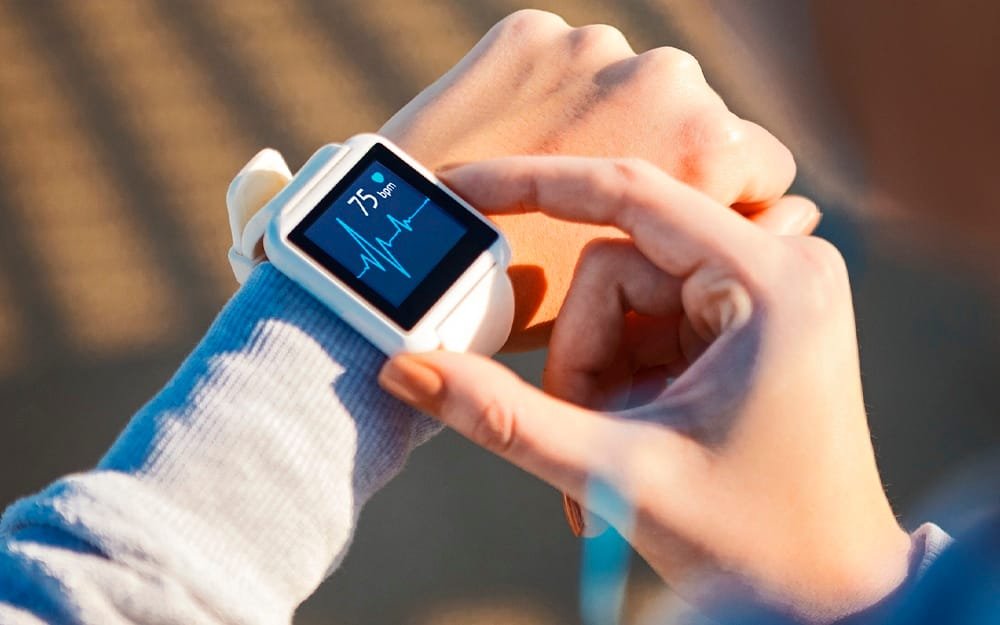
In an era where technology increasingly intersects with healthcare, a simple smartwatch alert proved to be the key to saving a life. Doctors at Wockhardt Hospitals, Mira Road, recently diagnosed and treated a rare and potentially fatal cardiac condition—thanks to data recorded on a patient’s wearable device.
This real-life case highlights how consumer health technology, when paired with expert medical judgment, can lead to timely and life-saving interventions.
Months of Mystery Blackouts
The patient, a 46-year-old IT professional, Kiran Tiwari (name changed), had been experiencing sudden and unexplained blackouts for over six months. With no known history of heart disease, the episodes were frightening and disruptive, leaving both the patient and his family deeply concerned.
Each fainting spell occurred without warning, often followed by confusion and exhaustion. Despite multiple hospital visits, the cause remained elusive.
Neurological Causes Ruled Out
Initially, doctors suspected a neurological issue. Under the care of Dr. Pavan Pai, Consultant Neurologist at Wockhardt Hospitals, Mira Road, Kiran underwent extensive investigations including MRI scans, EEGs, and other neurological evaluations.
All results returned normal. There was no evidence of seizures, stroke, or any brain-related disorder. Routine cardiac tests and ECGs also failed to reveal abnormalities. With no clear diagnosis, the condition was provisionally labeled as cryptogenic seizures—episodes with no identifiable cause.
Yet, the blackouts continued.
The Turning Point: Smartwatch Data Tells a Different Story
The breakthrough came during another emergency visit to Wockhardt Hospitals. Dr. Ashish Mishra, Consultant Interventional Cardiologist, decided to look beyond conventional test results and reviewed data from the patient’s smartwatch.
What the wearable revealed was alarming.
The smartwatch logs showed repeated episodes of dangerously low heart rates, dropping to as low as 34 beats per minute, along with evidence of paroxysmal high-grade atrioventricular (AV) block. Crucially, these episodes precisely matched the timing of Kiran’s fainting spells.
This condition occurs when the electrical signals between the heart’s chambers are intermittently blocked, preventing the heart from maintaining an adequate rhythm—and can be life-threatening if left untreated.
Hospital Monitoring Confirms a Life-Threatening Diagnosis
Armed with this new insight, doctors extended cardiac monitoring. This time, telemetry captured a critical event: a complete heart block lasting more than five seconds—long enough to cause loss of consciousness and pose an immediate risk to life.
The diagnosis was finally clear, and the situation urgent.
Immediate Intervention Saves a Life
Recognizing the severity of the condition, Dr. Ashish Mishra acted swiftly. A temporary pacemaker was implanted to stabilize the heart rhythm, followed by the placement of a dual-chamber permanent pacemaker.
The procedure was successful, recovery was smooth, and most importantly, the fainting episodes stopped entirely. Since the implantation, Kiran has returned to his normal professional and personal life, including resuming international travel without restrictions.
Patient Perspective: Technology Meets Timely Care
Reflecting on his experience, Kiran shared:
“The smartwatch tracked my heartbeat and rhythm, but it was the careful interpretation by Dr. Ashish Mishra and the timely decision to implant a pacemaker that saved my life.”
The Bigger Picture: Wearables as Health Allies
Dr. Ashish Mishra highlighted the broader implications of the case:
“This case underscores the growing role of wearable technology in healthcare. Devices like smartwatches can provide crucial real-time data which, when combined with expert medical analysis, can lead to life-saving interventions.”
While wearables cannot replace clinical judgment, they are increasingly proving to be powerful allies—especially in detecting intermittent or hidden conditions that may not show up during routine hospital testing.
A Lesson in Modern Healthcare
For Kiran, the journey ended in relief, recovery, and renewed confidence. For Wockhardt Hospitals, Mira Road, it reaffirmed the importance of integrated, patient-centered care—where clinical expertise, teamwork, and emerging technologies come together to save lives.
This case serves as a powerful reminder: sometimes, the device on your wrist can be more than a fitness tracker—it can be a silent guardian.