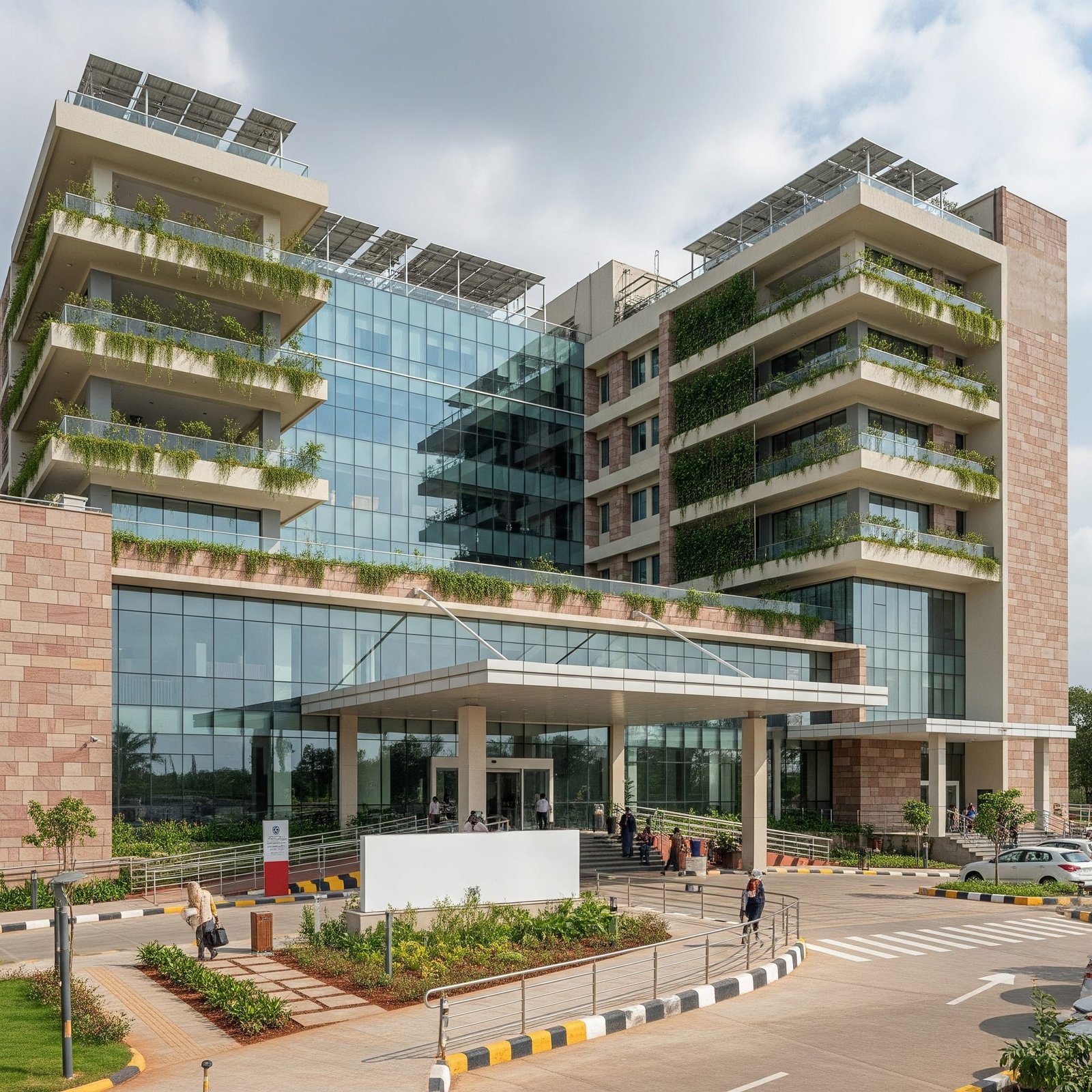
India is taking major steps to strengthen its healthcare system through increased government investment, better infrastructure, and the use of modern technology. The Union Budget 2026–27 reflects a strong commitment to improving healthcare services, expanding medical facilities, and supporting innovation in the healthcare sector.
The national health budget has been increased to ₹1,04,599 crore, which is about 18% higher than the previous year. This funding will support new healthcare projects, digital health initiatives, medical research, and improved access to treatment across the country.
Experts from across the healthcare industry believe these initiatives will help build a stronger and more advanced healthcare ecosystem in India.
Strong Government Investment in Healthcare
The increased health budget shows that healthcare is becoming a key priority for India’s development. Investments are being directed toward improving hospitals, strengthening medical education, expanding research facilities, and supporting advanced treatments.
Healthcare leaders say that these efforts will improve the quality of healthcare services while also making treatment more accessible to people in different parts of the country.
The focus is not only on expanding infrastructure but also on building a system that supports prevention, early diagnosis, and modern treatment methods.
Biopharma Shakti: Strengthening India’s Life Sciences Sector
One of the major announcements in the budget is the ₹10,000 crore Biopharma Shakti initiative. This program aims to strengthen India’s biotechnology and pharmaceutical ecosystem.
The initiative will support:
- Expansion of National Institute of Pharmaceutical Education and Research (NIPER) institutes
- Creation of 1,000 accredited clinical trial sites across India
- Strengthening of regulatory systems for advanced therapies
- Development of biologics and biosimilar medicines
This program is expected to help India become a stronger global player in biotechnology research and advanced medical treatments.
Expanding Medical Education and Healthcare Workforce
The government is also focusing on expanding medical education and training healthcare professionals.
Key initiatives include:
- Adding 10,000 new medical seats
- Training 1.5 lakh caregivers
- Training 1 lakh allied health professionals
These steps aim to address the shortage of trained healthcare workers and improve the quality of patient care across hospitals and clinics.
Allied health professionals play a critical role in modern healthcare systems by supporting doctors in areas such as diagnostics, rehabilitation, therapy, and patient management.
Strengthening Cancer Care and Chronic Disease Management
India is facing a growing burden of lifestyle-related diseases such as diabetes, obesity, autoimmune disorders, and mental health conditions.
To address this, the government plans to strengthen cancer care at the district level and focus on early detection and prevention.
Another important step is the exemption of import duties on certain cancer and rare disease medicines, which will help reduce treatment costs and improve patient access to life-saving drugs.
These measures will make advanced treatments more affordable for patients.
Establishment of Regional Healthcare and Medical Tourism Hubs
The government has also proposed the development of five regional healthcare hubs across the country.
These hubs will combine:
- Clinical care services
- Medical education and training
- Research and innovation
- AYUSH and traditional medicine
- Post-treatment rehabilitation
These integrated centres are expected to strengthen healthcare services in different regions and also promote medical tourism in India.
India is already becoming a popular destination for international patients due to high-quality treatment and competitive costs.
Public-Private Partnerships Driving Innovation
Healthcare experts believe that collaboration between the government and private healthcare providers will play an important role in the success of these initiatives.
Public-private partnerships can help combine:
- Medical expertise
- Advanced technology
- Research capabilities
- Operational efficiency
These collaborations will also create new job opportunities for doctors, nurses, researchers, and allied health professionals.
Improving Access to Healthcare Across India
Another important focus of the budget is improving healthcare access in Tier-2 and Tier-3 cities.
Expanding hospitals, medical colleges, and digital health systems in smaller cities will help ensure that quality healthcare services reach more people.
Technology-driven healthcare services, including digital health records, telemedicine, and AI-powered diagnostics, will further strengthen healthcare delivery across the country.
Focus on Mental Health and Trauma Care
The government has also emphasized the importance of improving mental health services.
Plans include:
- Establishing NIMHANS-2, a new mental health institution
- Upgrading major mental health hospitals in Ranchi and Tezpur
- Expanding emergency and trauma care capacity by 50% in district hospitals
These initiatives aim to improve mental health support and emergency care services across India.
The Future of Healthcare in India
India’s healthcare sector is entering a new phase of growth and transformation. Increased investment, advanced technology, stronger research capabilities, and workforce development are expected to significantly improve healthcare delivery in the coming years.
These initiatives will not only strengthen healthcare services but also create new opportunities for medical professionals, researchers, and healthcare workers.
Conclusion
The Union Budget 2026–27 reflects a strong vision for building a modern and resilient healthcare system in India. With increased funding, new medical infrastructure, technology-driven services, and strong policy support, the country is moving toward a more advanced healthcare ecosystem.
By combining innovation, skilled professionals, and strong government support, India is working toward a future where healthcare is more accessible, affordable, and effective for everyone.