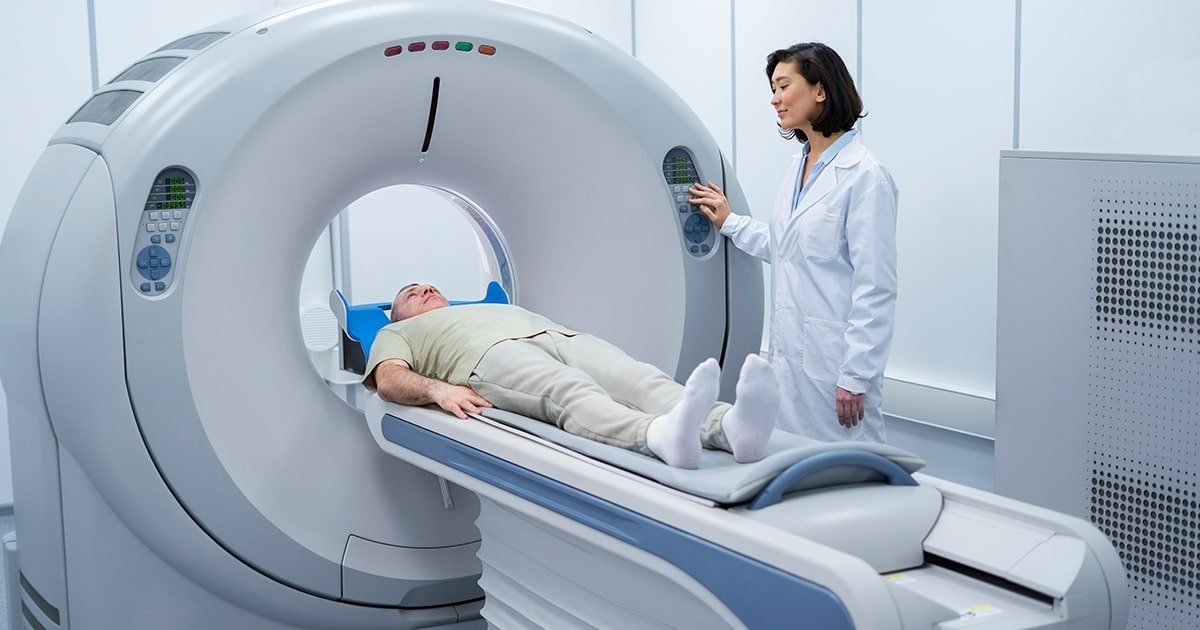
A Silent Challenge Emerging in Healthcare
India’s healthcare system is facing an unexpected challenge — a shortage of helium. While it may not be widely discussed, this issue has the potential to significantly impact diagnostic services, especially MRI scans.
As global supply chains tighten due to geopolitical disruptions in West Asia, the availability of helium is becoming increasingly uncertain, raising concerns across hospitals and diagnostic centers.
The Critical Role of Helium in MRI
MRI machines depend on powerful superconducting magnets that must be maintained at extremely low temperatures. Liquid helium is essential for this cooling process.
Without sufficient helium:
- MRI machines cannot operate efficiently
- Equipment performance may decline
- Diagnostic services could face interruptions
This makes helium an indispensable component in modern medical imaging.
What’s Driving the Shortage?
The current shortage is largely linked to disruptions in helium supply from West Asia, a key contributor to global production.
Several factors are contributing to the situation:
- Ongoing geopolitical tensions affecting supply routes
- Limited global production capacity
- Rising demand from multiple industries
Since helium is a finite resource with complex extraction and storage processes, supply recovery is not immediate.
Impact on Indian Hospitals
India relies heavily on imported helium, making its healthcare system particularly vulnerable to global fluctuations.
Increased Diagnostic Costs
Hospitals may experience higher procurement costs, which could lead to increased pricing for MRI scans.
Service Delays
Limited helium availability may reduce machine usage, leading to longer waiting times for patients.
Operational Pressure
Diagnostic centers, especially smaller ones, may struggle to maintain consistent services.
What Patients Should Be Aware Of
MRI scans play a crucial role in early diagnosis and treatment planning. Any disruption can directly affect patient care.
Patients may experience:
- Higher scan charges
- Delayed appointments
- Limited availability of advanced diagnostic services
The Way Forward
To address this emerging issue, healthcare providers and policymakers may need to focus on long-term solutions:
- Investing in helium recycling technologies
- Exploring alternative cooling methods
- Strengthening supply chain strategies
- Building strategic reserves for medical use
These measures can help reduce dependency and ensure continuity of care.
Conclusion
The global helium shortage highlights how even lesser-known resources can impact critical healthcare services. As MRI diagnostics become more essential, ensuring a stable helium supply will be key to maintaining accessible and affordable healthcare in India.