A Significant Step Towards Stronger Public Healthcare
In a major move to enhance public healthcare services, the Andhra Pradesh government has finalized the selection of 630 medical officers. This recruitment drive reflects a strong commitment to improving healthcare accessibility, especially at the primary care level.
By addressing long-standing vacancies, the initiative aims to strengthen the foundation of the state’s healthcare system and ensure better service delivery for communities.
Why This Recruitment Matters
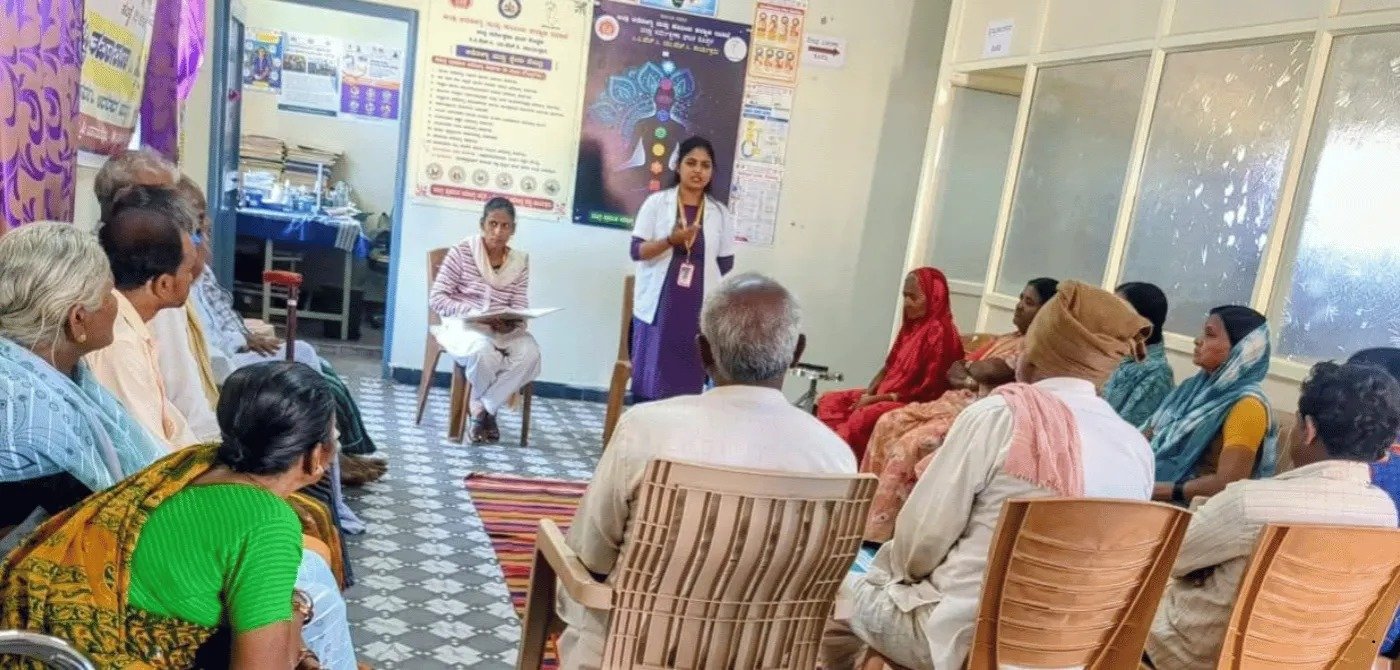
Primary Health Centers (PHCs) are often the first point of contact for patients, particularly in rural and semi-urban areas. However, staffing shortages have historically limited their effectiveness.
With the addition of hundreds of new doctors:
- Patient care at the grassroots level will improve
- Workload on existing healthcare staff will reduce
- Access to timely diagnosis and treatment will increase
This step directly contributes to building a more responsive and efficient healthcare system.
Addressing Critical Gaps
The newly finalized positions are expected to fill vacancies that arose due to retirements, transfers, and increasing healthcare demand.
This recruitment will help:
- Restore doctor-to-patient ratios
- Improve continuity of care
- Enhance preventive and primary healthcare services
Stronger staffing ensures that PHCs can function as intended—providing essential medical support closer to people’s homes.
Impact on Communities
For patients, especially in underserved regions, this initiative brings meaningful change.
Improved Accessibility
Residents will have better access to qualified medical professionals without needing to travel long distances.
Faster Medical Attention
Reduced waiting times and quicker consultations can lead to early diagnosis and improved health outcomes.
Strengthened Trust in Public Healthcare
Availability of doctors at government facilities can encourage more people to rely on public healthcare services.
A Step Towards Healthcare Strengthening
This recruitment aligns with broader efforts to upgrade healthcare infrastructure and service delivery across the state.
By investing in human resources, the government is not only filling positions but also reinforcing the entire healthcare ecosystem.
Conclusion
The addition of 630 medical officers marks a positive and timely intervention in strengthening primary healthcare services. As demand for quality healthcare continues to grow, such initiatives play a crucial role in ensuring that essential medical care remains accessible, efficient, and patient-focused.