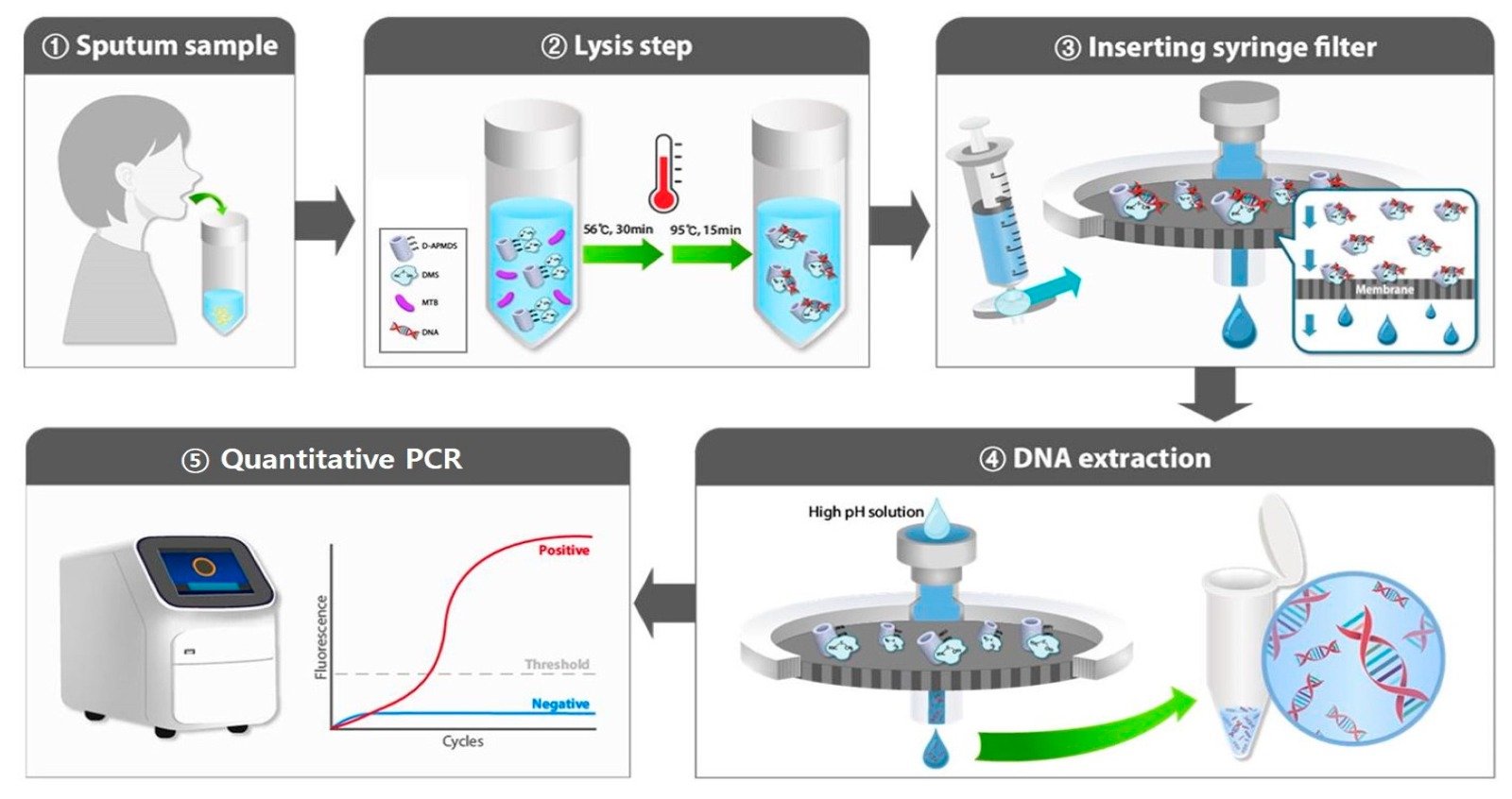
A Major Shift in Global TB Diagnosis
Tuberculosis (TB) continues to be one of the world’s most serious infectious diseases, affecting millions each year. Despite advances in treatment, delayed diagnosis remains a major barrier to controlling its spread.
Recognizing this challenge, the World Health Organization (WHO) has introduced new recommendations focused on faster, more accessible, and patient-friendly diagnostic methods. These updated guidelines aim to transform how TB is detected, especially in resource-limited settings.
Why Faster Diagnosis Matters
Early and accurate diagnosis is critical in controlling TB. Delays not only worsen patient outcomes but also increase the risk of transmission within communities.
Globally, a significant number of TB cases still go undiagnosed or are detected late due to:
- Limited access to advanced laboratories
- Dependence on traditional testing methods
- High cost and complexity of diagnostic tools
WHO now emphasizes the urgent need to close these diagnostic gaps through innovation and accessibility.
Key Highlights of the New WHO Recommendations
1. Near Point-of-Care Rapid Molecular Tests
WHO has, for the first time, recommended near point-of-care (NPOC) molecular tests that can be used closer to patients — even in primary healthcare settings.
These tests:
- Deliver faster results
- Reduce dependency on centralized labs
- Enable early treatment decisions
This shift ensures that diagnosis is no longer limited to advanced facilities but can reach communities directly.
2. Introduction of Tongue Swab Testing
One of the most notable updates is the use of tongue swabs as an alternative sample collection method.
Unlike traditional sputum samples:
- Tongue swabs are easier and non-invasive
- Useful for patients who cannot produce sputum
- Improve patient comfort and testing accessibility
This innovation makes TB testing more inclusive, especially for children and vulnerable populations.
3. Sputum Pooling for Cost Efficiency
WHO also recommends sputum pooling — combining samples from multiple individuals and testing them together.
Benefits include:
- Reduced testing costs
- Increased testing capacity
- Faster turnaround in high-demand settings
This strategy is particularly valuable in regions with limited resources and high TB burden.
Bridging the Diagnostic Gap
Despite global commitments, millions of people still face delayed or missed TB diagnoses. Many healthcare systems continue to rely on outdated, lab-intensive processes that are not accessible to everyone.
The new WHO approach focuses on:
- Decentralizing diagnostic services
- Making testing available at the community level
- Improving affordability and scalability
This marks a clear move toward patient-centric healthcare delivery.
The Role of Technology and Innovation
Modern TB diagnostics are increasingly powered by molecular technologies that detect the disease quickly and accurately.
WHO continues to recommend rapid diagnostic testing as the first step in TB detection, helping ensure timely treatment and better outcomes.
Combined with digital health tools and AI-driven systems, these advancements have the potential to significantly strengthen global TB control efforts.
What This Means for Countries Like India
India carries one of the highest TB burdens globally, making these recommendations highly relevant.
Adopting these new guidelines can:
- Improve early detection rates
- Reduce transmission in communities
- Strengthen primary healthcare systems
- Support national TB elimination goals
Faster and more accessible diagnostics can play a crucial role in achieving long-term public health targets.
Conclusion
The WHO’s latest recommendations represent a significant step forward in the fight against tuberculosis. By promoting rapid testing, simpler sample collection, and cost-effective strategies, the global health community is moving toward more inclusive and efficient diagnosis.
As countries begin to implement these changes, the focus will shift from delayed detection to timely intervention ultimately saving lives and reducing the global TB burden.