In a significant move toward strengthening public health, the government of Andhra Pradesh has approved a large-scale preventive health screening initiative aimed at transforming healthcare delivery from reactive treatment to proactive disease prevention. This ambitious program is set to benefit over 56 lakh people, marking one of the largest community-based health screening efforts in the region.
A Strategic Shift Toward Preventive Healthcare
Traditionally, healthcare systems have focused on diagnosing and treating illnesses after symptoms appear. However, this initiative represents a clear shift toward early detection and prevention. By identifying health risks before they develop into serious conditions, the government aims to reduce long-term healthcare costs and improve overall population health outcomes.
Approved by Health Minister Y. Satya Kumar Yadav, the program comes with an annual budget of ₹162.72 crore and is expected to be implemented within the next two months under the “Sanjeevani” framework.
масштаб: Reaching Over 56 Lakh Beneficiaries
The initiative targets approximately 56.4 lakh individuals across the state. Beneficiaries include:
- Individuals identified as high-risk in the Non-Communicable Diseases (NCD) survey
- Students residing in welfare hostels
This targeted approach ensures that vulnerable and at-risk populations receive timely medical attention and preventive care.
Advanced Diagnostics: 47 Tests Across 11 Health Categories
A key highlight of the program is its comprehensive diagnostic coverage. Each individual will undergo 47 different tests spanning 11 critical health categories, including:
- Liver function
- Renal (kidney) function
- Lipid profile (cholesterol levels)
- Blood counts
- Glucose levels
- Electrolyte balance
This marks a major upgrade from the current system, where only six basic rapid tests are conducted, often with limited accuracy and no structured health records.
Mobile Medical Units: Healthcare at the Doorstep
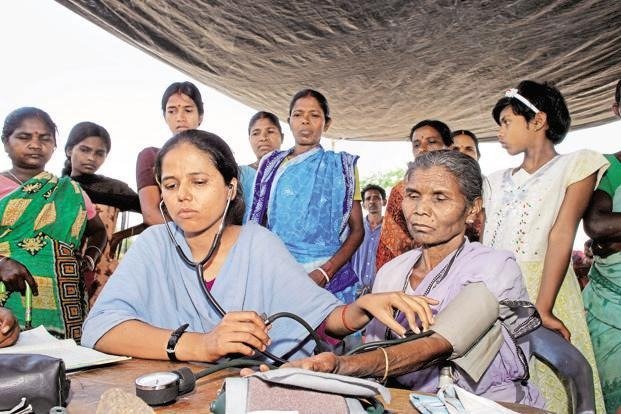
To ensure accessibility, the program will deploy a robust network of mobile medical units (MMUs):
- The existing 104 MMUs will be upgraded
- 904 MMUs will be equipped with advanced diagnostic tools
Each unit will include equipment such as:
- Semi-automatic biochemistry analyzers
- CBC (Complete Blood Count) machines
- Microscopes and incubators
These units are expected to screen around 20 individuals per day, covering approximately 520 people per month per unit.
Digital Health Records and Personalized Care
One of the most transformative aspects of the initiative is the creation of electronic health records (EHRs) for every beneficiary. These records will:
- Track individual health data over time
- Generate disease profiles
- Enable continuous monitoring
- Support personalized medical advice
This digital integration ensures long-term health management rather than one-time diagnosis, aligning with modern healthcare practices.
Strengthening Grassroots Healthcare Infrastructure
The initiative is designed to bring quality healthcare directly to communities, especially in underserved and rural areas. By leveraging mobile units and digital tools, the program aims to:
- Improve early disease detection
- Reduce hospital burden
- Enhance healthcare accessibility
- Promote awareness about preventive care
Officials have described the program as a “significant step in safeguarding public health,” emphasizing its role in building a healthier and more resilient population.
Conclusion
This large-scale preventive health screening initiative positions Andhra Pradesh as a leader in adopting forward-thinking healthcare strategies. By combining advanced diagnostics, mobile healthcare delivery, and digital health records, the state is setting a benchmark for proactive public health management.
If implemented effectively, this initiative has the potential to not only improve individual health outcomes but also reshape the healthcare landscape by prioritizing prevention over cure.