Glaucoma is often called the “silent thief of sight” because it can gradually damage the optic nerve without noticeable symptoms in its early stages. As one of the leading causes of irreversible blindness worldwide, glaucoma poses a significant public health challenge in India, where millions remain undiagnosed until substantial vision loss has already occurred.
Experts emphasize that early detection, timely intervention, and collaborative care models are essential to reducing the growing burden of glaucoma and preventing avoidable blindness across the country.
Understanding the Hidden Threat of Glaucoma
Glaucoma is a group of eye diseases that progressively damage the optic nerve, often due to increased intraocular pressure. Unlike many other eye conditions, glaucoma typically develops silently, with patients experiencing no pain or obvious symptoms until the disease reaches an advanced stage.
Because vision loss caused by glaucoma cannot be reversed, early diagnosis remains the most effective strategy for preserving sight.
A major concern in India is that a large proportion of glaucoma cases remain undetected, creating a significant hidden burden on both patients and healthcare systems.
Why Early Detection Is Critical
The challenge with glaucoma is not simply treatment but timely diagnosis.
Many patients seek medical attention only after experiencing noticeable vision problems, by which time permanent optic nerve damage may already have occurred.
Regular eye examinations can help identify:
- Elevated eye pressure
- Optic nerve abnormalities
- Early visual field defects
- Structural changes in the retina
Detecting the disease before symptoms appear allows ophthalmologists to initiate treatment early and significantly slow disease progression.
The Growing Burden in India
India is home to one of the world’s largest populations at risk for glaucoma. Factors such as population aging, increasing life expectancy, diabetes, hypertension, and limited awareness contribute to the rising disease burden.
Despite advances in eye care, many individuals continue to remain undiagnosed due to:
- Lack of awareness
- Limited screening programs
- Delayed specialist consultations
- Inadequate access to eye care services in certain regions
This makes glaucoma not only a clinical challenge but also a public health concern requiring coordinated action.
Technology Is Improving Glaucoma Detection
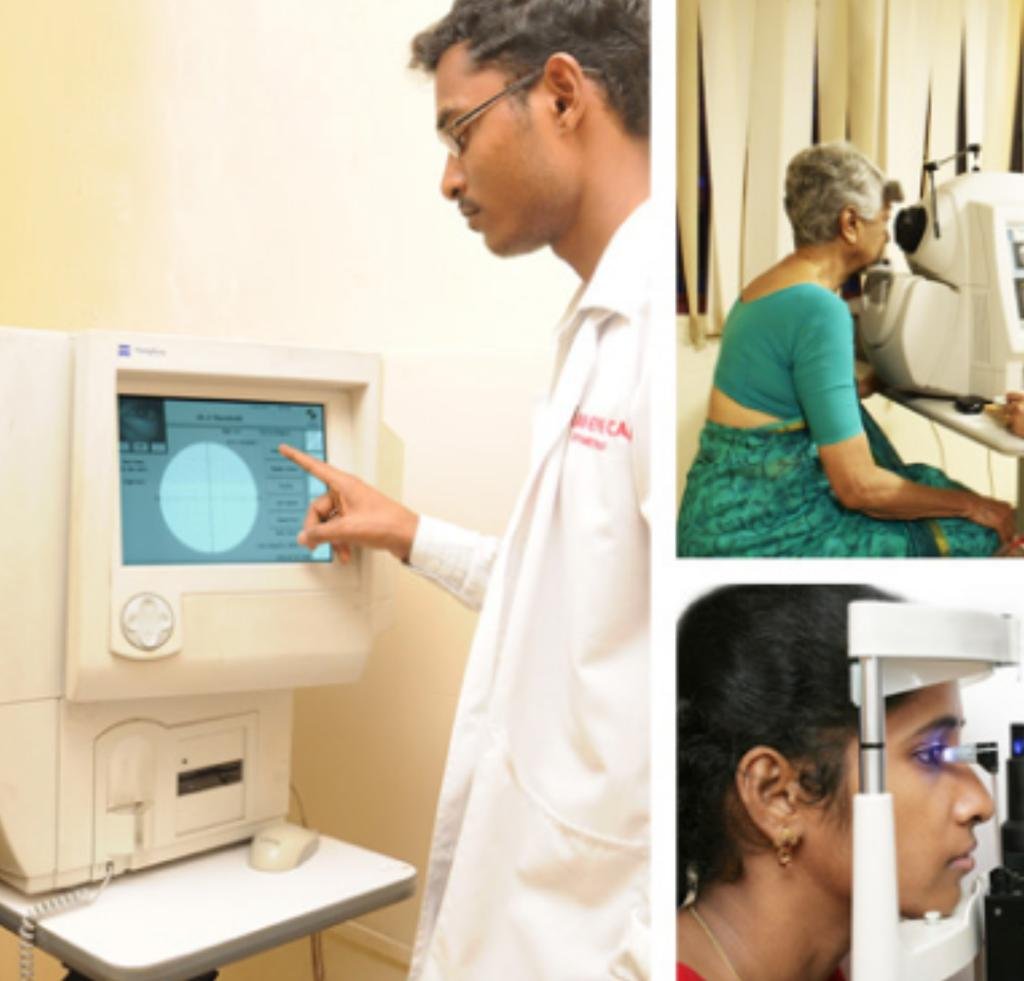
Modern diagnostic technologies are transforming the way glaucoma is detected and monitored.
Advanced tools now allow ophthalmologists to evaluate structural and functional changes much earlier than before.
These include:
- Optical Coherence Tomography (OCT)
- Digital retinal imaging
- Visual field analysis
- Artificial intelligence assisted screening systems
AI powered technologies are increasingly helping clinicians identify subtle abnormalities that may indicate early glaucoma, improving diagnostic accuracy and expanding screening capabilities.
The Importance of Collaborative Care
Experts highlight that managing glaucoma effectively requires a collaborative approach involving multiple healthcare stakeholders.
Successful glaucoma care depends on coordination between:
- Ophthalmologists
- Optometrists
- Primary care physicians
- Retina specialists
- Healthcare institutions
- Community health workers
This integrated model helps ensure timely referrals, regular monitoring, patient education, and long term treatment adherence.
Collaborative care can be particularly valuable in reaching underserved populations and improving access to specialized eye care services.
Patient Awareness Remains a Key Priority
Awareness is one of the most powerful tools in combating glaucoma related blindness.
Individuals at higher risk should undergo regular comprehensive eye examinations, including:
- Adults above 40 years
- People with a family history of glaucoma
- Diabetic patients
- Individuals with hypertension
- Patients with high eye pressure
Educating the public about routine eye screening can help identify disease earlier and reduce preventable vision loss.
The Role of Artificial Intelligence in Eye Care
Artificial intelligence is emerging as a valuable ally in glaucoma management.
AI driven platforms can assist with:
- Automated image analysis
- Risk assessment
- Screening large populations
- Clinical decision support
- Remote eye care programs
These innovations may help bridge gaps in healthcare access, especially in regions with limited specialist availability.
As AI technologies continue to evolve, they have the potential to significantly strengthen India’s glaucoma detection and monitoring capabilities.
Building a Stronger Eye Care Ecosystem
Addressing India’s glaucoma burden will require investments in:
- Public awareness campaigns
- Routine screening initiatives
- Digital health infrastructure
- Specialist training
- Community outreach programs
- Technology enabled diagnostics
Healthcare systems that combine early detection, patient education, and coordinated care can substantially reduce the long term impact of glaucoma.