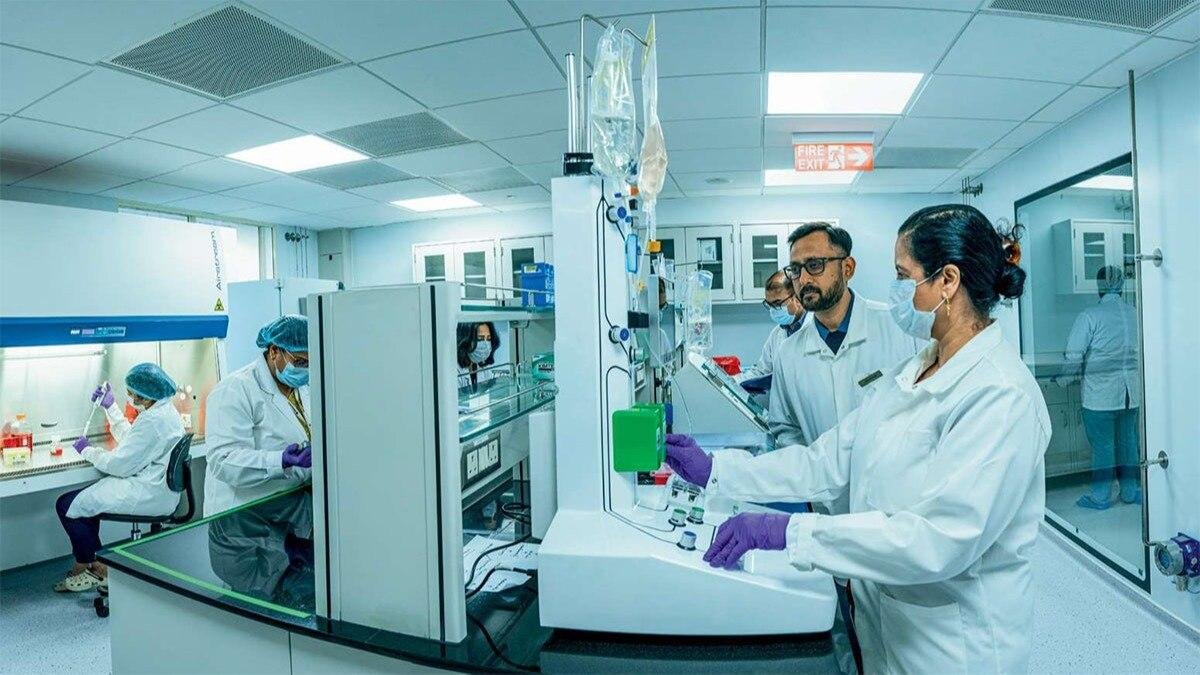
The Institute of Liver and Biliary Sciences (ILBS), New Delhi, has inaugurated a state of the art current Good Manufacturing Practice (cGMP) Cellular Therapy Facility, marking a major advancement in India’s biomedical research landscape. The facility was inaugurated by Union Minister Dr. Jitendra Singh and is expected to strengthen translational research while accelerating the development of innovative cell based therapies for complex diseases.
The launch represents an important milestone in India’s efforts to build world class infrastructure for regenerative medicine, precision healthcare, and advanced therapeutic research.
Advancing Cell Based Therapies
Cellular therapy is an emerging field of medicine that uses living cells to repair, replace, or regenerate damaged tissues and organs. These therapies have shown significant potential in treating liver diseases, metabolic disorders, immune conditions, and several chronic illnesses.
The new cGMP facility will enable researchers to develop high quality cellular products under internationally accepted manufacturing standards, ensuring safety, consistency, and regulatory compliance for future clinical applications.
Strengthening Translational Research
One of the primary objectives of the new facility is to bridge the gap between laboratory discoveries and patient care.
Researchers at ILBS will now have access to advanced infrastructure that supports the translation of scientific innovations into practical clinical therapies. This approach is expected to accelerate the development of next generation treatments for liver diseases, metabolic disorders, and other complex medical conditions.
The facility will also encourage collaboration among clinicians, scientists, and biotechnology experts, creating an ecosystem that supports faster medical innovation.
Focus on India’s Growing Metabolic Disease Burden
During the inauguration, Dr. Jitendra Singh highlighted the increasing burden of metabolic diseases in India, describing them as one of the country’s most significant emerging public health challenges.
He emphasized that conditions such as obesity, fatty liver disease, diabetes, and other metabolic disorders are affecting younger populations and stressed the importance of early prevention, particularly among children and adolescents. The minister noted that preventive healthcare must begin early to reduce the long term impact of these diseases.
Proposal for a National Centre
Alongside the inauguration, ILBS proposed the establishment of a National Centre for Liver and Metabolic Diseases.
The proposed centre aims to integrate clinical care, medical research, education, innovation, and public health initiatives under a single platform. Such an institution could strengthen India’s capacity to address liver and metabolic disorders through coordinated research, advanced treatment, and multidisciplinary collaboration.
The proposal received positive support during the event, reflecting the growing importance of specialized research centres in addressing complex health challenges.
Collaborative Research at the Core
The inauguration coincided with the anniversary of the Liver and Metabolic Disease Network (InFLiMeN), bringing together policymakers, researchers, clinicians, and scientific institutions from across the country.
Experts emphasized that addressing metabolic diseases requires collaboration across multiple disciplines, including clinical medicine, biotechnology, genetics, nutrition, and public health. The event concluded with a renewed commitment from 17 scientific groups to work together on research related to liver and metabolic diseases.
Benefits for Patients and Healthcare
The new facility is expected to create several long term benefits for India’s healthcare system.
It will support:
- Development of advanced cell based therapies
- Faster translation of research into clinical practice
- Improved treatment options for liver and metabolic diseases
- High quality manufacturing of therapeutic cellular products
- Training opportunities for researchers and healthcare professionals
These developments could ultimately improve patient outcomes while strengthening India’s position in regenerative medicine and precision healthcare.
Strengthening India’s Biotechnology Ecosystem
The establishment of the cellular therapy facility aligns with India’s broader vision of becoming a global hub for biotechnology and biomedical innovation.
Investments in advanced research infrastructure help build indigenous capabilities in cell and gene therapies while reducing dependence on imported technologies. The initiative also creates opportunities for academic institutions, healthcare providers, and biotechnology companies to collaborate on developing innovative therapies for unmet medical needs.
Looking Ahead
As regenerative medicine continues to evolve worldwide, facilities such as the new cGMP Cellular Therapy Centre at ILBS will play an increasingly important role in shaping the future of healthcare.
With growing expertise in cellular therapies, translational research, and multidisciplinary collaboration, India is well positioned to contribute to the development of safer, more effective treatments for complex diseases while strengthening its biomedical research capabilities.
Conclusion
The inauguration of the advanced cellular therapy facility at ILBS marks a significant achievement for India’s healthcare and research ecosystem. By enabling world class cell manufacturing, promoting translational research, and supporting innovative therapeutic development, the facility lays the foundation for future breakthroughs in liver disease, metabolic disorders, and regenerative medicine.
As India continues to invest in cutting edge medical research and biotechnology, initiatives like this will help accelerate scientific discovery, improve patient care, and strengthen the country’s leadership in advanced healthcare innovation.