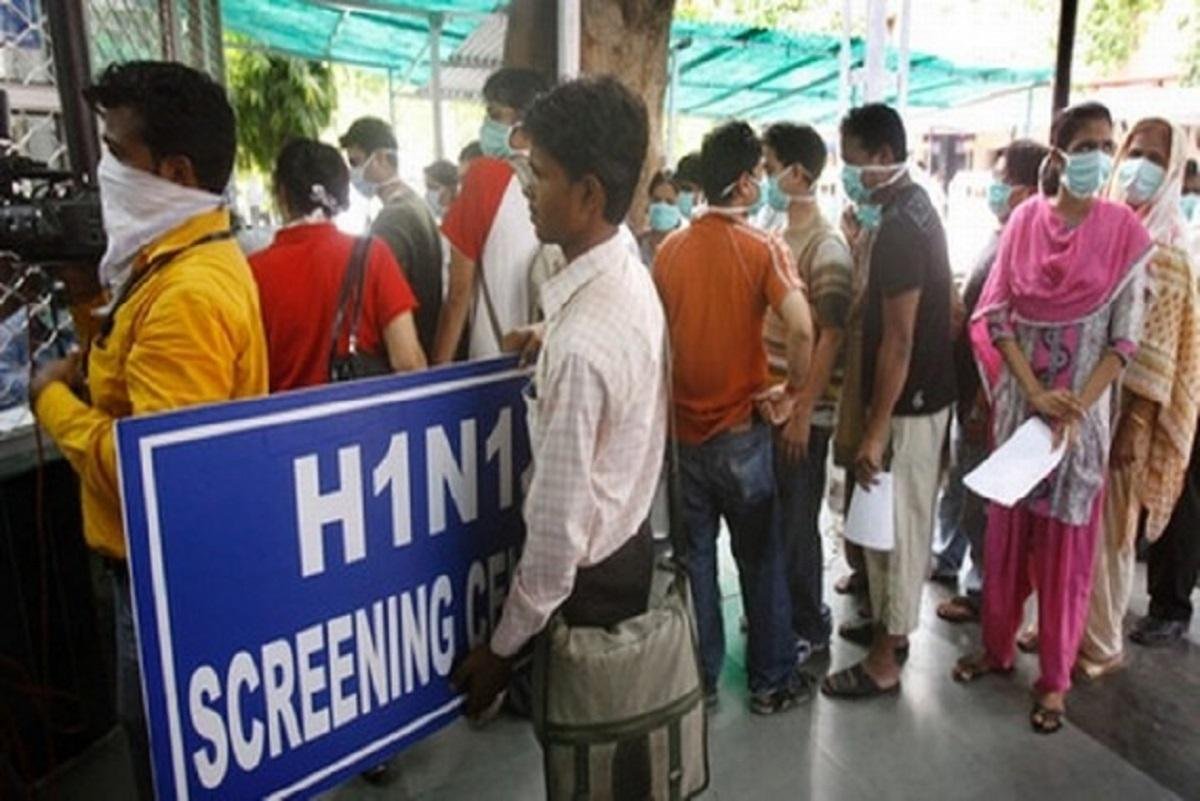
Healthcare experts across India are reporting a rise in H1N1 influenza (swine flu) cases as fluctuating weather conditions create a favorable environment for the spread of respiratory viruses. Sudden changes in temperature, delayed monsoons, increased humidity, and alternating hot and cool conditions are believed to be contributing to the recent increase in infections.
Doctors are urging people, especially vulnerable groups, to remain vigilant as influenza activity typically increases during periods of unstable weather.
Understanding H1N1 Influenza
H1N1 is a subtype of the influenza A virus that spreads primarily through respiratory droplets released when an infected person coughs, sneezes, or talks. It can also spread by touching contaminated surfaces and then touching the eyes, nose, or mouth.
Common symptoms include:
- Fever
- Cough
- Sore throat
- Runny or blocked nose
- Body aches
- Fatigue
- Headache
While most individuals recover within a few days, some patients may develop serious complications that require hospitalization.
How Changing Weather Influences Flu Transmission
Medical experts believe that erratic weather patterns can increase the circulation of influenza viruses.
Fluctuating temperatures and high humidity may improve virus survival in the environment, while sudden weather changes can also weaken the body’s natural defenses, making individuals more susceptible to respiratory infections. The simultaneous circulation of multiple respiratory viruses during seasonal transitions further increases the likelihood of illness.
Although weather alone does not cause H1N1 infection, it creates conditions that allow the virus to spread more efficiently.
Who Is Most at Risk?
While H1N1 can affect people of all ages, certain groups face a greater risk of developing severe illness.
These include:
- Older adults
- Young children
- Pregnant women
- Individuals with diabetes, heart disease, or chronic lung conditions
- People with weakened immune systems
Healthcare professionals recommend that these high risk groups seek medical attention promptly if flu like symptoms develop.
Hospitals Strengthen Preparedness
Hospitals in several cities have reported an increase in patients presenting with influenza symptoms. Healthcare facilities are enhancing surveillance, encouraging timely testing where appropriate, and ensuring readiness to manage patients who develop complications.
Medical experts emphasize that early diagnosis and appropriate treatment can significantly reduce the severity of illness and help prevent further transmission.
Prevention Remains the Best Protection
Health experts continue to stress that simple preventive measures can significantly reduce the risk of infection.
Recommended precautions include:
- Frequent hand washing
- Covering the mouth and nose while coughing or sneezing
- Wearing a mask when experiencing respiratory symptoms
- Avoiding close contact with sick individuals
- Maintaining good ventilation in indoor spaces
- Staying home when unwell
- Receiving the seasonal influenza vaccine, particularly for high risk individuals
Vaccination remains one of the most effective ways to reduce the risk of severe H1N1 infection.
Importance of Early Medical Care
Most cases of influenza can be managed with supportive care, including adequate hydration, rest, and medications prescribed by a healthcare professional. However, persistent high fever, difficulty breathing, chest pain, confusion, or worsening symptoms require immediate medical evaluation.
Early treatment is particularly important for vulnerable individuals, as antiviral medications are most effective when started soon after symptoms appear.
Adapting to a Changing Disease Pattern
Experts note that climate variability and changing seasonal patterns are influencing the timing and spread of respiratory infections. Instead of following predictable seasonal peaks, influenza viruses are increasingly being detected during unusual periods of the year.
This evolving trend highlights the importance of continuous disease surveillance, public awareness, and strong public health preparedness to respond quickly to emerging outbreaks.
Conclusion
The recent rise in H1N1 cases serves as a reminder that seasonal influenza continues to be a significant public health concern, particularly as changing weather patterns influence virus transmission. While most infections are mild, vulnerable individuals remain at higher risk for severe complications.
Maintaining good hygiene, recognizing symptoms early, seeking timely medical care, and staying updated with influenza vaccination can help reduce the impact of H1N1 and protect communities during periods of increased viral activity.