Global Progress on Clean Air Has Slowed
The World Health Organization (WHO) has released updated Sustainable Development Goal (SDG) data showing that global progress in reducing air pollution has stalled, raising concerns about its impact on public health. While exposure to fine particulate matter (PM2.5) declined steadily until 2020, recent data indicate that improvements have largely plateaued, threatening efforts to reduce air pollution related illnesses and deaths.
The findings highlight the need for renewed policy action as billions of people worldwide continue to breathe unhealthy air every day.
Air Pollution Remains a Major Health Risk
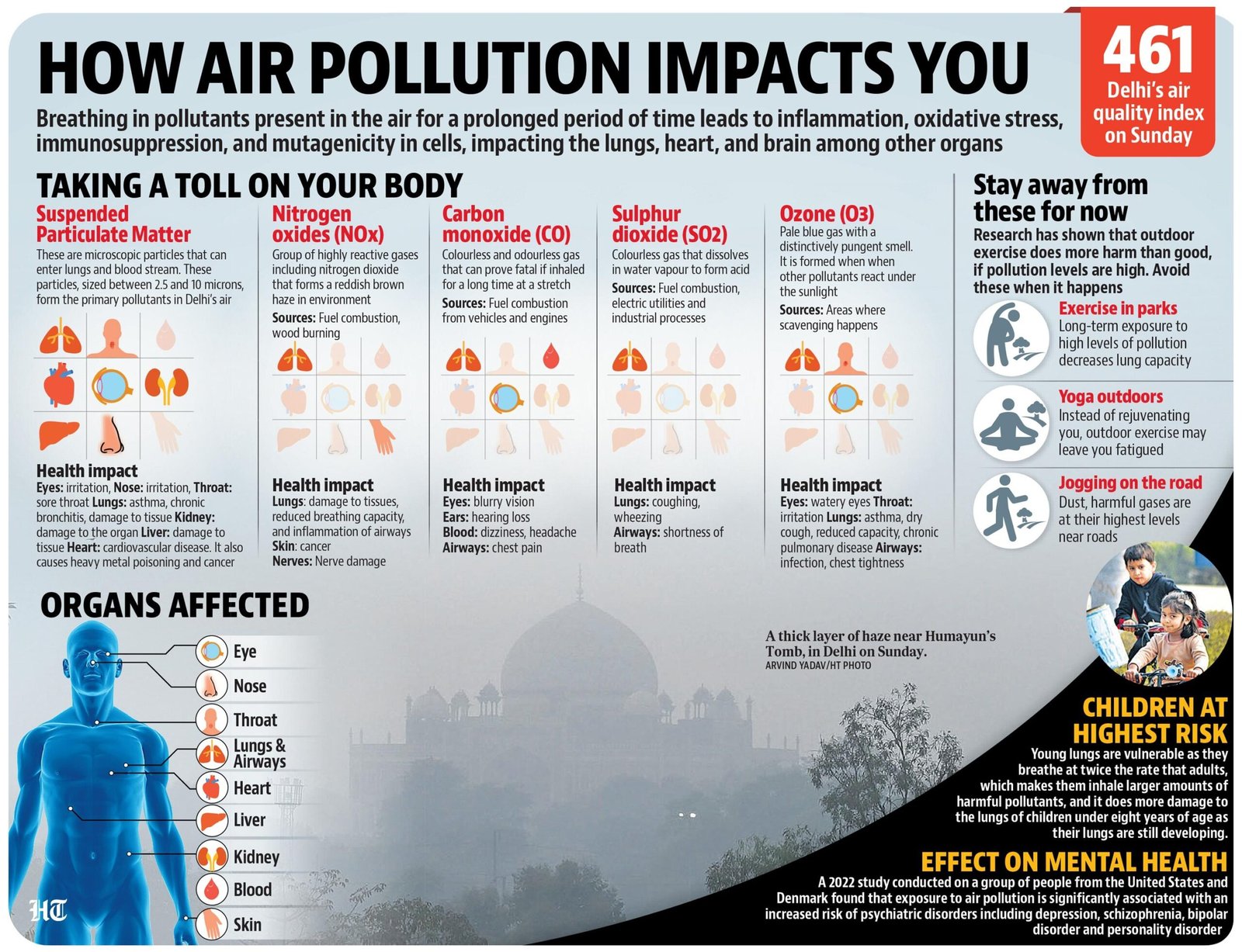
Air pollution is one of the leading environmental risk factors for disease and premature death. Long term exposure to polluted air increases the risk of:
- Heart disease
- Stroke
- Chronic obstructive pulmonary disease (COPD)
- Lung cancer
- Respiratory infections
- Asthma
Children, older adults, pregnant women, and individuals with existing heart or lung conditions remain the most vulnerable to its harmful effects.
What the New WHO Data Shows
According to WHO’s updated SDG indicators, progress in lowering ambient air pollution has slowed significantly since 2020. At the same time, major inequalities persist between countries.
Low and middle income nations continue to experience the highest levels of exposure to harmful air pollutants, while many high income countries have achieved better air quality through stronger environmental regulations and cleaner energy systems.
The report emphasizes that without accelerated action, many countries may struggle to meet global health and sustainable development targets by 2030.
Household Air Pollution Still Affects Millions
Although many countries have expanded access to cleaner cooking fuels and energy sources, household air pollution remains a serious challenge in several regions.
Millions of families still rely on solid fuels such as wood, charcoal, coal, and biomass for cooking and heating. The smoke generated from these fuels contributes to respiratory diseases, cardiovascular illness, and premature deaths, particularly among women and young children who spend more time indoors.
Climate Change and Air Pollution Are Closely Linked
WHO highlighted that air pollution and climate change share many common sources, including the burning of fossil fuels.
Reducing emissions from transport, industry, and energy production can simultaneously improve air quality and reduce greenhouse gas emissions. Investments in renewable energy, cleaner transport systems, and sustainable urban planning therefore offer significant health as well as environmental benefits.
Stronger Policies Are Needed
The organization urges governments to strengthen policies across multiple sectors, including health, transport, energy, urban planning, and industry.
Priority actions include improving air quality monitoring, promoting clean household energy, expanding public transportation, reducing industrial emissions, and adopting cleaner technologies. WHO noted that the updated SDG indicators provide countries with reliable evidence to guide these policy decisions.
Why This Matters for Public Health
Cleaner air delivers benefits far beyond reducing respiratory illnesses. Improved air quality lowers healthcare costs, increases life expectancy, enhances productivity, and improves overall quality of life.
As urban populations continue to grow and climate related challenges intensify, reducing air pollution will become increasingly important for protecting both human health and sustainable development.
Looking Ahead
WHO has called for stronger international cooperation and faster implementation of evidence based policies to reverse the current slowdown in progress.
The organization also supports its new global goal of reducing deaths linked to human caused air pollution by 50 percent by 2040, emphasizing that sustained action today can save millions of lives in the future.