Climate Change Is Becoming a Public Health Emergency
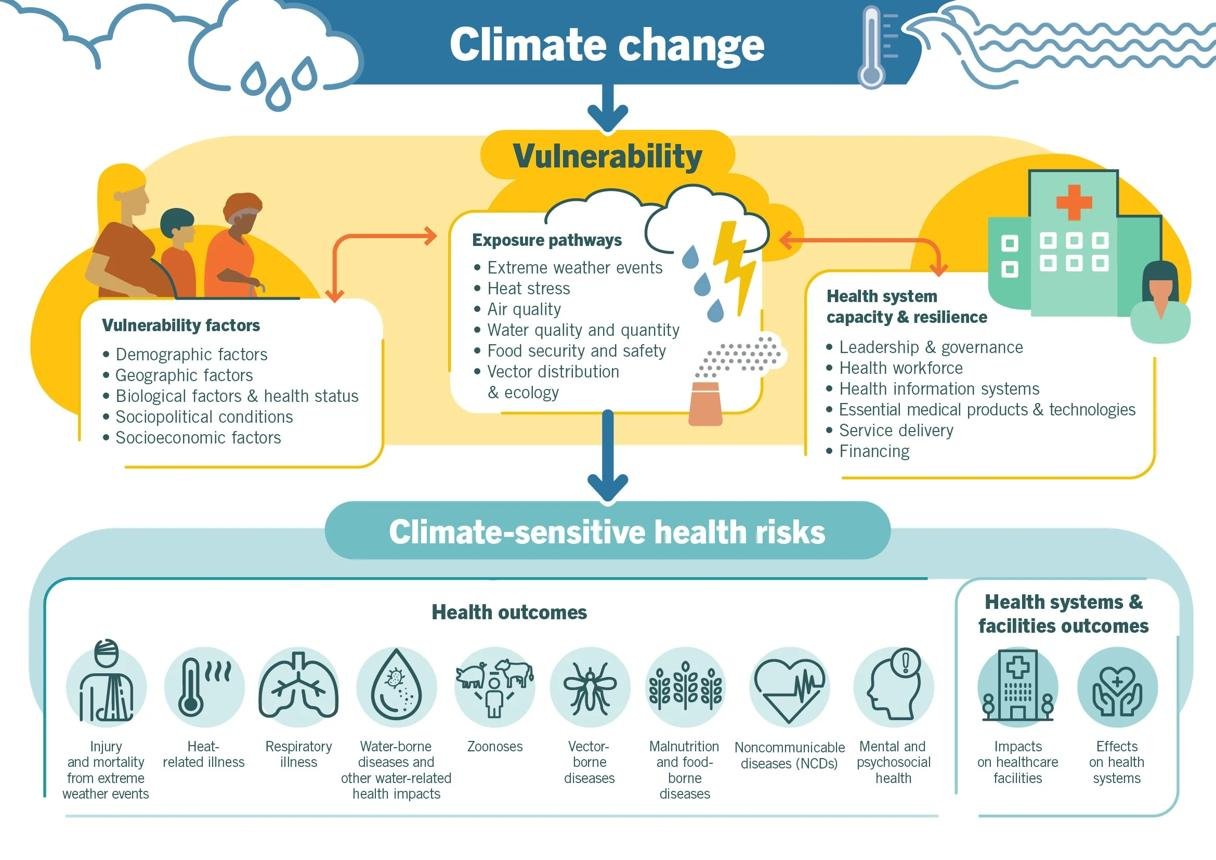
A new scientific review has highlighted that climate change is creating increasingly complex public health challenges, particularly by influencing the spread of waterborne diseases. Researchers found that rising temperatures, floods, droughts, and changing rainfall patterns are altering how disease causing microorganisms survive and spread, potentially reversing decades of progress in controlling infectious diseases.
The findings reinforce that climate change is no longer only an environmental issue but also a growing healthcare challenge requiring stronger surveillance, resilient infrastructure, and adaptive public health policies.
Waterborne Diseases Face New Challenges
Waterborne diseases remain a major cause of illness and death worldwide, especially in low and middle income countries and among children under five years of age.
Climate related events such as flooding can contaminate drinking water supplies by overwhelming sanitation systems, while prolonged droughts force communities to rely on unsafe water sources. At the same time, changing temperatures can influence the survival and growth of bacteria, viruses, and parasites responsible for diseases such as cholera, typhoid, and diarrheal infections.
Disease Patterns Are Becoming Less Predictable
One of the review’s most important findings is that climate change does not affect every pathogen in the same way.
While warmer temperatures may promote the growth of certain bacteria and protozoa, some viruses may spread more efficiently during cooler or drier conditions. This complexity means traditional disease prediction models may become less reliable, making outbreak forecasting and prevention increasingly challenging. Researchers emphasize that public health strategies should be tailored to individual pathogens rather than relying on generalized assumptions.
Vulnerable Communities Face Greater Risks
The health impacts of climate change are expected to be most severe in regions with limited access to clean water, sanitation, and healthcare services.
Communities affected by poverty, inadequate infrastructure, and rapid urbanisation are particularly vulnerable to disease outbreaks following floods, storms, or prolonged droughts. Children, older adults, pregnant women, and individuals with weakened immune systems are also at greater risk of severe illness from contaminated water.
Researchers Recommend Climate Resilient Health Systems
The review calls for stronger public health preparedness to address the changing landscape of infectious diseases.
Key priorities include:
- Strengthening water and sanitation infrastructure
- Expanding disease surveillance systems
- Improving early warning and outbreak monitoring
- Investing in climate resilient healthcare facilities
- Developing pathogen specific prevention strategies
- Promoting safe drinking water and hygiene practices
These measures can help countries better prepare for the growing health risks associated with climate change.
Climate and Health Must Be Addressed Together
Researchers stress that climate policy and public health planning should no longer operate independently.
Improving environmental resilience while strengthening healthcare systems can reduce disease transmission, protect vulnerable populations, and improve emergency preparedness during extreme weather events. Greater collaboration between climate scientists, public health experts, and policymakers will be essential for responding effectively to future challenges.
Looking Ahead
As climate change continues to influence weather patterns across the globe, healthcare systems will need to adapt quickly to evolving disease risks.
Investment in scientific research, improved surveillance, resilient infrastructure, and evidence based public health policies will play a critical role in protecting communities from climate sensitive diseases. Early action today can help prevent larger health crises in the future while preserving the progress already achieved in global disease control.