A Growing Health Concern
Marine heatwaves are prolonged periods of unusually high sea surface temperatures. Researchers warn that these events are becoming more frequent, longer lasting and more intense as the planet continues to warm.
While marine heatwaves are often viewed as an environmental problem, emerging research shows that their consequences can extend directly to human physical and mental health.
How Marine Heatwaves Affect Human Health
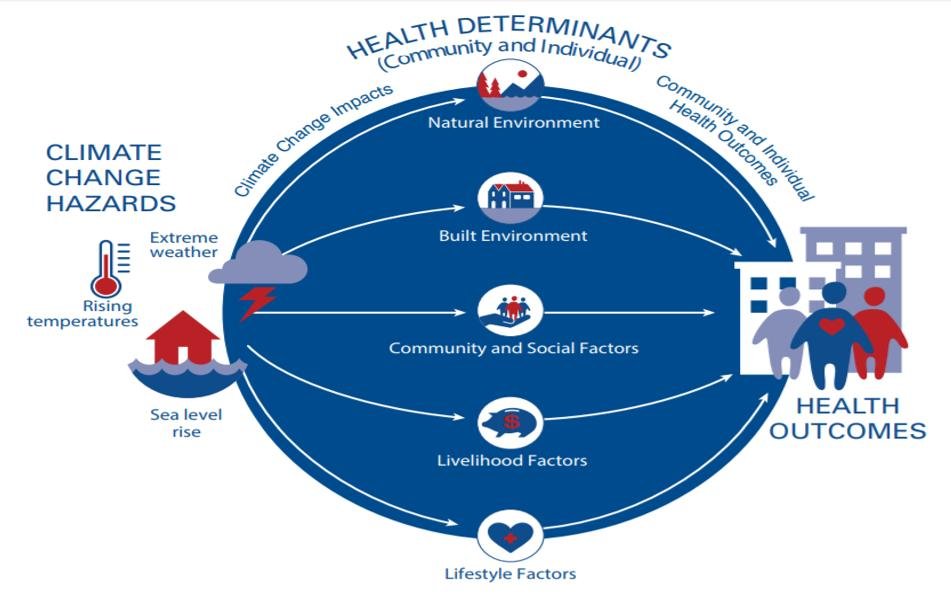
The health effects can occur through several interconnected pathways. Warmer oceans can contribute to more intense weather systems, increasing the risks associated with storms and flooding, including injuries, deaths and displacement.
Marine heatwaves can also disrupt fisheries and aquaculture, affecting food availability and the livelihoods of communities that depend on the ocean.
Rising Risk From Harmful Algal Blooms
One important concern is the potential increase in harmful algal blooms.
Marine heatwaves can create conditions that favour these events. Some harmful algal blooms can contaminate seafood and create serious health risks for people who consume affected products.
At the same time, declining fish stocks and reduced seafood production could create longer term concerns for food security, particularly for populations that rely heavily on marine resources.
The Mental Health Impact
The consequences are not limited to physical health.
Coastal communities may experience anxiety, grief and psychological stress when marine ecosystems deteriorate. For people whose livelihoods, cultural identity and daily lives are closely connected to the ocean, the loss of marine resources can have particularly significant emotional consequences.
Researchers highlight eco anxiety and grief as emerging mental health concerns associated with these environmental changes.
Marine Ecosystems Under Pressure
Marine heatwaves have already been associated with major ecological disruptions, including mass mortality events among marine organisms, widespread coral bleaching, harmful algal blooms and significant changes in fisheries and aquaculture.
These environmental changes can create a chain reaction. When marine ecosystems suffer, the effects can move from the ocean to food systems, livelihoods and ultimately community health.
Why Public Health Needs to Prepare
Researchers argue that governments and public health agencies should begin treating marine heatwaves as an emerging health risk, similar to the way land based heatwaves are incorporated into health preparedness.
This could include integrating marine heatwave forecasts into public health planning, considering health consequences in marine and coastal management decisions, and strengthening collaboration between ocean scientists, health authorities and resource managers.
Preparing Before the Crisis
Early action could help communities become more resilient as marine heatwaves intensify.
Better monitoring, early warning systems, protection of marine ecosystems and stronger coordination between environmental and healthcare agencies can help reduce the consequences before they become larger public health emergencies.