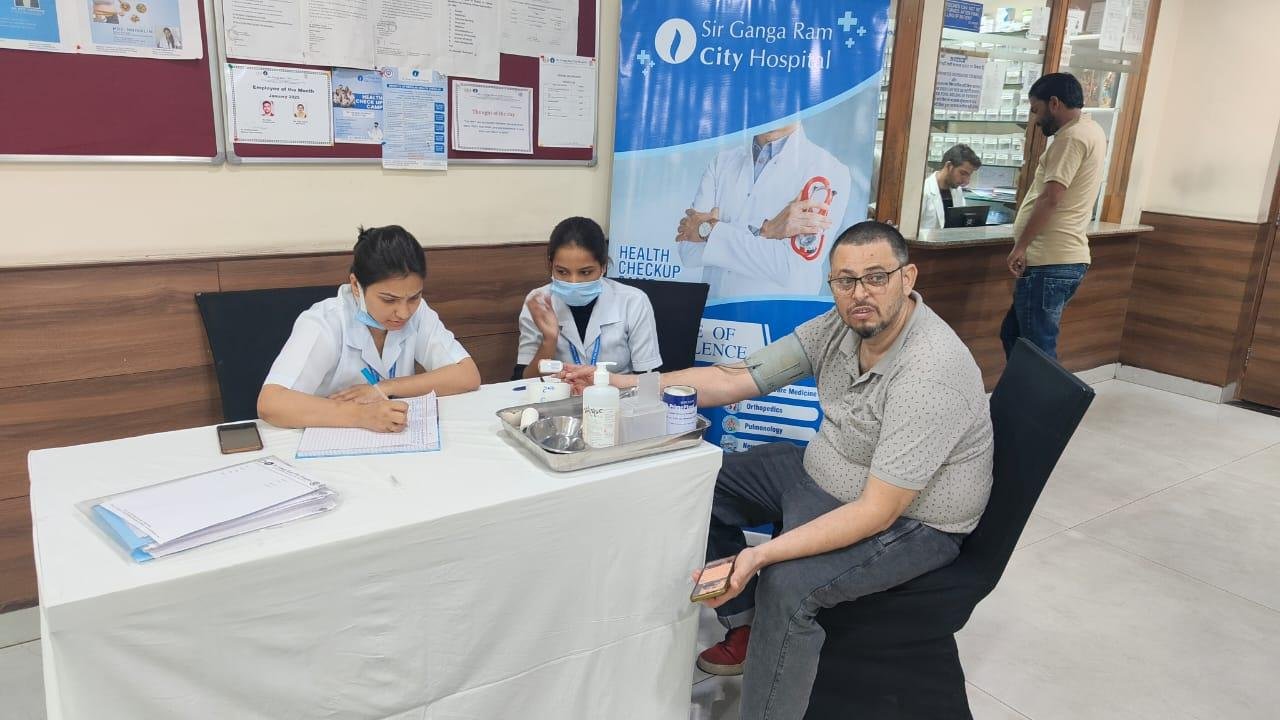
A Shift From Treatment to Prevention
Defence Minister Rajnath Singh has described preventive healthcare as the future model of India’s healthcare system, highlighting changing disease patterns, rising treatment costs and the country’s ageing population. He stressed that healthcare should not focus only on treating diseases after they appear, but should increasingly emphasise prevention, early detection, risk assessment and personalised care.
Why Early Detection Matters
Many major non communicable diseases, including diabetes, hypertension, heart disease, cancer and kidney disease, develop gradually over several years.
According to Singh, warning signs such as high blood sugar, high cholesterol, fatty liver and borderline blood pressure can provide opportunities to identify health risks before they progress into serious disease.
This makes regular health screening and timely medical intervention increasingly important.
Prevention Can Reduce Healthcare Costs
Preventive healthcare is not only a medical strategy but also an economic one.
Treating advanced disease can cost lakhs of rupees, while annual health checkups, lifestyle counselling, early screening and basic medication can cost considerably less. Singh noted that as healthcare expenditure continues to rise, governments, insurers and employers will increasingly have an interest in preventing diseases or identifying them at an early stage.
India’s Ageing Population Adds Urgency
India currently has a predominantly young population, but its demographic profile is expected to change significantly as the population ages.
Singh warned that failing to adopt preventive healthcare now could increase pressure on hospitals in the future. A stronger prevention focused system could help identify health risks earlier and reduce the number of patients reaching hospitals with advanced disease.
Technology Is Transforming Prevention
The preventive healthcare model is also being strengthened by rapid advances in medical technology.
Artificial intelligence, advanced medical imaging, molecular diagnostics, digital pathology, automation, genomics and data driven healthcare are transforming how diseases can be detected and assessed.
However, Singh also cautioned that technology alone cannot define quality healthcare. Patient data protection, transparency, responsible AI use, avoiding bias and maintaining patient safety must remain central to digital healthcare adoption.
A Shared Responsibility
Building a prevention focused healthcare system cannot be achieved by the government alone.
Doctors, hospitals, diagnostic centres, insurers, employers, technology companies and patients all have a role to play. Regular screening, healthier lifestyles, timely consultations and greater awareness can help shift healthcare from a reactive model toward a proactive one.
Looking Ahead
India’s healthcare system is moving toward a model where staying healthy and detecting risks early becomes as important as treating illness.
The growing use of digital health infrastructure and technology can further support this transition by making screening, risk assessment and personalised healthcare more accessible.