ICMR Reassures the Public
The Indian Council of Medical Research has clarified that no new strain of Influenza A H1N1 has been identified in India, amid growing attention around seasonal influenza cases.
According to ICMR scientists, the viruses currently circulating are strains that have been present in India since 2025. The health research body has therefore said there is no cause for panic, while continuing to monitor influenza activity through regular surveillance.
Which H1N1 Strain Is Circulating?
The currently circulating Influenza A H1N1 pdm09 viruses are similar to the A/Missouri/11/2025 H1N1 pdm09 like virus strain.
ICMR said these viruses belong to clade 6B.1A.5a2a and subclade D.3.1.1, and have been in circulation since 2025. This clarification is important because the recent increase in cases had raised concerns about the emergence of a new or potentially more dangerous strain.
Current Strains Match Recommended Vaccine Strains
Another reassuring point highlighted by ICMR is that the influenza strains currently circulating in India are well matched with the vaccine strains recommended for the Northern Hemisphere.
This does not mean influenza should be ignored, but it provides important context around the current situation and supports continued use of established prevention and public health measures.
H1N1 Remains a Seasonal Influenza Infection
ICMR has described seasonal influenza, including H1N1, as mostly self limiting.
Common symptoms can include fever, cough, headache and body aches. Most people recover with appropriate care and adequate rest. However, influenza can become more serious in certain groups, making early medical attention important when symptoms worsen.
Who Needs Extra Caution?
While most infections may resolve without major complications, young children, older adults and people with underlying medical conditions can face a greater risk of developing complications.
People in these groups should pay particular attention to persistent or worsening symptoms and seek medical advice when necessary.
Delhi Strengthens Disease Surveillance
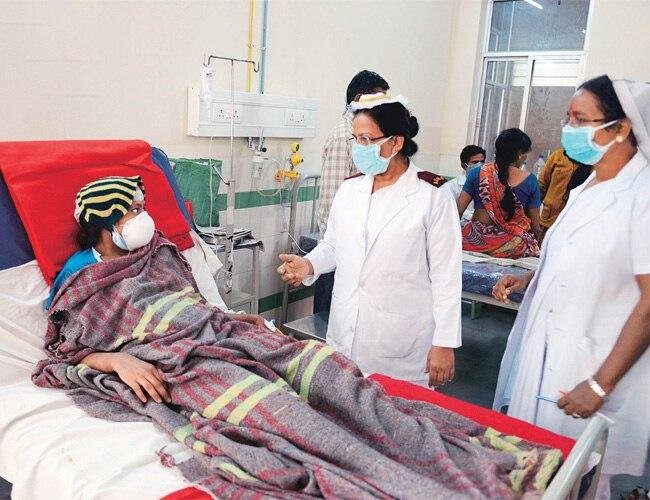
The ICMR clarification comes amid continued monitoring of influenza activity and a rise in H1N1 cases in Delhi.
According to recent reports, Delhi had recorded 1,777 H1N1 cases by August 20, 2026, making H1N1 the predominant Influenza A subtype reported in the capital this year. Authorities have strengthened surveillance and hospital preparedness in response.
The situation highlights the importance of maintaining surveillance even when there is no evidence of a new strain.
Prevention Still Matters
The absence of a new strain does not mean people should ignore respiratory illness.
Basic preventive practices remain valuable, particularly during periods of increased influenza transmission. Maintaining respiratory hygiene, avoiding close contact when unwell and seeking timely medical advice when symptoms become severe can help reduce transmission and complications.
For healthcare facilities, continued surveillance, timely diagnosis and appropriate preparedness remain important components of influenza management.
Why This Update Matters
The ICMR clarification provides an important distinction between a rise in seasonal influenza activity and the emergence of a new influenza strain.
Understanding this difference can help prevent unnecessary alarm while ensuring that healthcare systems remain prepared. Regular surveillance also allows health authorities to identify changes in circulating viruses and respond if the epidemiological situation changes.