PLI Scheme Boosts Domestic Manufacturing Of MRI, CT Scanners And Heart Valves
India is expanding its domestic medical device manufacturing capabilities, with the government’s Production Linked Incentive scheme supporting the production of advanced equipment that was previously largely dependent on imports.
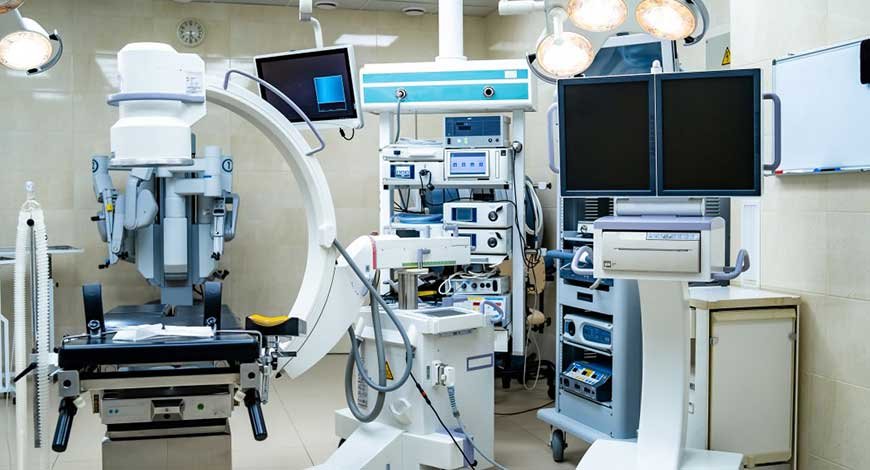
According to the Department of Pharmaceuticals under the Ministry of Chemicals and Fertilizers, the scheme has helped establish domestic manufacturing capabilities for 57 medical devices, including MRI machines, CT scanners, Cath Labs, Linear Accelerators, C Arms, mammography machines, ultrasound systems, anaesthesia machines and heart valves.
From Imports To Domestic Production
High end medical equipment has historically involved significant dependence on imported technology.
The PLI scheme is designed to encourage companies to manufacture these products within India and build domestic capabilities in advanced medical technology.
The government says production of 57 devices that were previously predominantly imported has now commenced under the scheme.
This includes technologies used across diagnostic imaging, cancer care, critical care and cardiovascular treatment.
₹3,420 Crore PLI Initiative
The medical devices PLI scheme was launched in 2020 with a total financial outlay of ₹3,420 crore.
Under the programme, eligible manufacturers receive a 5% incentive on incremental sales of qualifying medical devices manufactured in India for five years.
The scheme covers four broad areas:
• Cancer care and radiotherapy devices
• Radiology and imaging devices
• Anaesthesia, cardio respiratory and renal care devices
• Implants, including implantable electronic devices
MRI And CT Manufacturing Expands
MRI and CT scanners are among the most important technologies used in modern diagnosis.
Increasing domestic production of these systems could contribute to the development of a stronger medical technology manufacturing ecosystem in India.
The initiative also covers other imaging technologies such as mammography machines and ultrasound systems.
For hospitals and diagnostic centres, the development of domestic manufacturing could eventually influence equipment availability, servicing capabilities and supply chain resilience.
Global Manufacturers Are Participating
The programme has also attracted several major international medical technology companies.
The government says companies including GE Healthcare, Siemens, Philips, Varex, Nipro and Omron have been involved, with the initiative encouraging technology transfer and advanced manufacturing capabilities in India.
This combination of global expertise and domestic manufacturing could help strengthen technical capabilities within the country’s medical device sector.
Beyond Diagnostic Imaging
The expansion is not limited to MRI and CT scanners.
The list of devices produced under the programme includes Cath Labs, Linear Accelerators, C Arms, mammography systems, ultrasound equipment, anaesthesia machines and heart valves.
These technologies support different stages of healthcare, from diagnosis to cancer treatment, surgery and cardiovascular care.
Why Local Manufacturing Matters
Domestic production can have several implications for India’s healthcare system.
Supply Chain Resilience
Greater domestic manufacturing can reduce dependence on international supply chains for critical medical equipment.
Technology Development
Manufacturing advanced devices within India can help develop specialised engineering, research and technical expertise.
Healthcare Infrastructure
As domestic capabilities expand, hospitals and diagnostic centres may gain access to a broader locally manufactured equipment ecosystem.
Technology Transfer
Participation by global manufacturers can support the transfer of manufacturing knowledge and technical capabilities into the Indian ecosystem.
Opportunities For India’s Medical Technology Sector
The expansion also creates opportunities beyond the manufacturers themselves.
Medical device production requires engineers, researchers, technicians, quality specialists, supply chain professionals and healthcare technology experts.
A larger domestic ecosystem could therefore contribute to the development of specialised skills and supporting industries.
What It Could Mean For Hospitals
For healthcare providers, medical equipment is a major component of infrastructure investment.
Hospitals need reliable access not only to sophisticated machines but also to installation, maintenance, calibration, replacement parts and technical support.
A stronger domestic manufacturing base could create opportunities for a more locally connected support ecosystem.
However, the actual impact on equipment prices, service quality and hospital procurement will depend on how the domestic industry develops over time.
Building A Medical Technology Ecosystem
The government’s focus extends beyond simply assembling equipment.
The reported participation of global manufacturers and emphasis on technology transfer indicates an effort to develop broader advanced manufacturing capabilities within India.
This is particularly relevant as healthcare becomes increasingly dependent on sophisticated diagnostic and therapeutic technologies.
The Road Ahead
The expansion of local production represents one step toward building a more self reliant medical technology ecosystem.
Future progress will depend on continued investment in research and development, skilled workforce development, quality standards, component manufacturing and innovation.
Domestic production also needs to translate into reliable, high quality and economically viable equipment for healthcare providers.