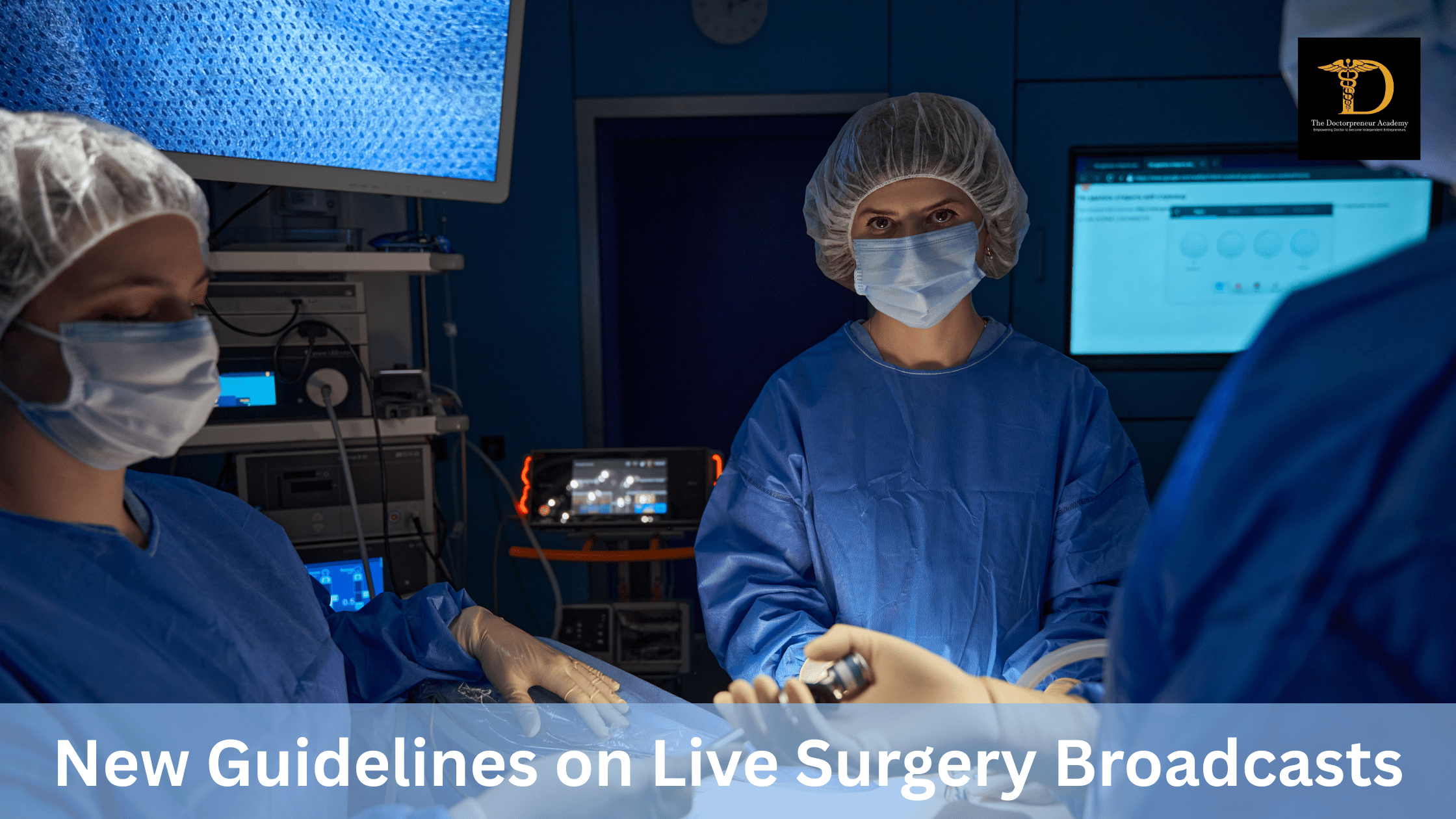
The National Medical Commission (NMC), through its Ethics and Medical Registration Board (EMRB), has issued detailed guidelines for conducting and broadcasting live surgeries. The move comes after a Supreme Court petition raised concerns over patient exploitation and the commercial use of live surgeries during medical conferences. The new rules aim to safeguard patient safety, ensure ethical medical practices, and set clear standards for surgical education.
Why the Guidelines Were Issued
The debate intensified after a Delhi-based ophthalmologist filed a petition highlighting the ethical and legal risks of live surgeries. The case revealed how some private hospitals allegedly use patients as “models” to promote corporate sponsors and showcase surgical skills, often putting patient welfare at risk.
8 Key Points from the NMC Guidelines
- Limited Educational Value
Live surgeries, though experiential, often lack the depth of learning compared to recorded surgical videos or hands-on training. Pre-recorded content allows better analysis, labeling, and frame-by-frame study.
2. Patient Safety Comes First
Patients must be informed that the surgeon’s attention might be divided during a live broadcast, which could affect safety. The presence of cameras and large audiences can also increase anxiety and discomfort.
3. Ethical Consent Is Crucial
Using patients for educational demonstrations raises serious ethical concerns. The NMC emphasizes full patient consent and prioritizing welfare over teaching or commercial goals.
4. Ban on Commercial Exploitation
Live broadcasts cannot be used to promote the surgeon, hospital, or medical product brands. The NMC warns against turning surgeries into marketing tools.
5. Preference for Recorded Surgeries
The NMC encourages the use of recorded videos, wet labs, cadaveric, and simulation-based training over live broadcasts to minimize patient risk while improving educational quality.
6. Insurance and Approvals
Sponsors and supervisors of live surgeries must have indemnity insurance coverage. Before inviting foreign medical practitioners (FMPs), prior permission from the State Medical Council is mandatory.
7. Approved Locations Only
Live surgeries must be conducted in accredited hospitals that meet strict hygiene and safety standards to ensure patient care is not compromised.
8. Need for Regulatory Oversight
All live broadcasts require prior approval from regulatory authorities to ensure transparency, accountability, and adherence to ethical standards.
The Bigger Picture
While live surgeries have been a traditional part of surgical teaching, the NMC stresses that education must not come at the cost of patient safety or dignity. With new technologies enabling high-quality recorded videos and simulation-based training, the emphasis is shifting towards safer, more controlled learning environments.
Why This Matters to Doctors
For surgeons and medical educators, these guidelines serve as a roadmap for conducting ethical, effective training sessions. For healthcare administrators, they underscore the importance of regulatory compliance and patient-centered care.
At The Doctorpreneur Academy, we help medical professionals navigate evolving healthcare regulations while building sustainable, ethical, and innovative practices.
Call to Action:
- Surgeons and educators: Follow the NMC’s new rules to ensure ethical, high-quality surgical training.
- Healthcare administrators: Implement robust consent and approval protocols for live broadcasts.
- Medical professionals: Explore safer, technology-driven ways to teach and learn surgical skills.
🔗 Visit The Doctorpreneur Academy for expert insights, resources, and training to lead ethical and patient-centered healthcare innovation.
👉 To register for our next masterclass, please click here https://linktr.ee/docpreneur