The Discovery
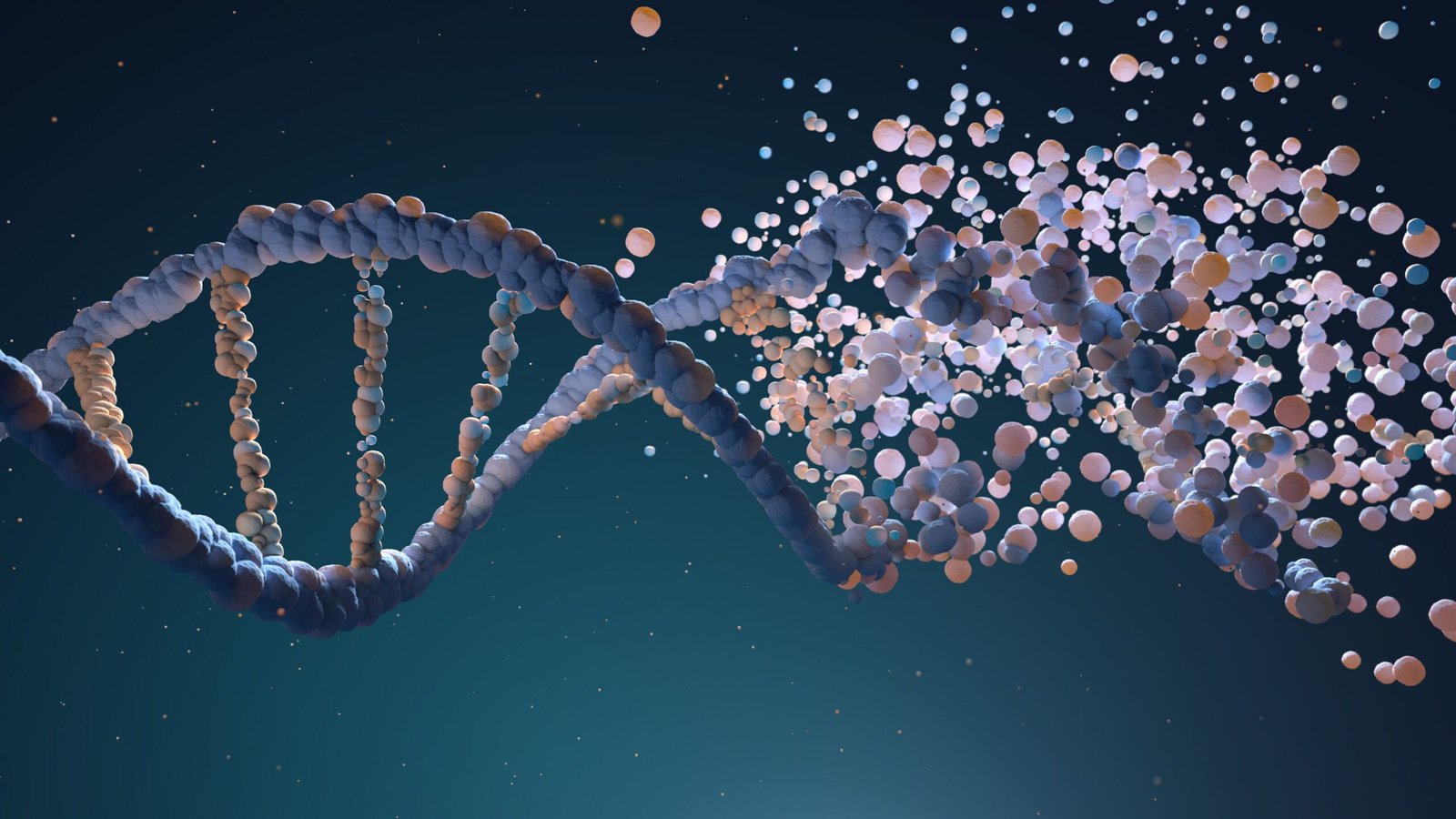
Scientists at the CSIR-Centre for Cellular and Molecular Biology (CCMB) have uncovered a process called “Programmed Cell Revival (PCR),” published in the EMBO Journal. This challenges a long-standing belief in biology: that once cells approach death, they cannot recover.
Now, evidence shows that cells can “revive” themselves—reactivating metabolic and developmental pathways to restore their function.
How It Works
- Cellular Reactivation: Near-death cells can switch on genetic and metabolic programs similar to those used during early development and healing.
- Restoration of Function: Instead of permanent death, these cells regain lost functions like metabolism and immune responses.
- Universal Mechanism: Programmed cell revival is observed across species—mice, worms, frog tadpoles, and fruit flies—indicating it may be an evolutionary survival advantage.
- Environmental Factors: Conditions like oxidative stress or nutrient shortage may push cells to the brink, but favorable changes can trigger revival.
Applications in Medicine
Programmed Cell Revival could transform regenerative medicine:
- Faster wound healing in skin injuries
- Repair of corneal burns in mice
- Tail regeneration in frog tadpoles
- Nerve repair in worms
- Boosting blood stem cell production in fruit flies
This opens new doors for treatments in tissue damage, organ repair, and possibly even age-related degeneration.
The Risks—A Double-Edged Sword
While this discovery excites regenerative medicine, it also comes with serious concerns for oncology:
- Cancer cells could hijack this pathway to revive themselves, becoming more aggressive.
- This may contribute to therapy resistance and enhanced stem-like properties in tumors.
Thus, any therapeutic use must come with caution and careful monitoring.
What This Means for Doctors
- Paradigm Shift: The old dogma that “a dying cell cannot return” is no longer absolute.
- Regeneration Opportunities: Doctors may soon see new therapies for wound healing, nerve damage, and tissue regeneration.
- Oncology Caution: Cancer care may need to consider the possibility of malignant cells reviving, affecting treatment planning.
- Future of Research: Collaboration between clinicians and scientists will be key to safely translating this discovery into therapies.
Final Word
Programmed Cell Revival is a stunning reminder of the resilience of life at the cellular level. It promises hope for healing and regeneration but also warns us of new challenges in fighting cancer. As doctorpreneurs, staying aware of such advances ensures we are ready to embrace innovation responsibly.
👉 Explore more insights on medical innovation and healthcare leadership at Doctorpreneur Academy.
👉To register for our next masterclass, please click here: https://linktr.ee/docpreneur