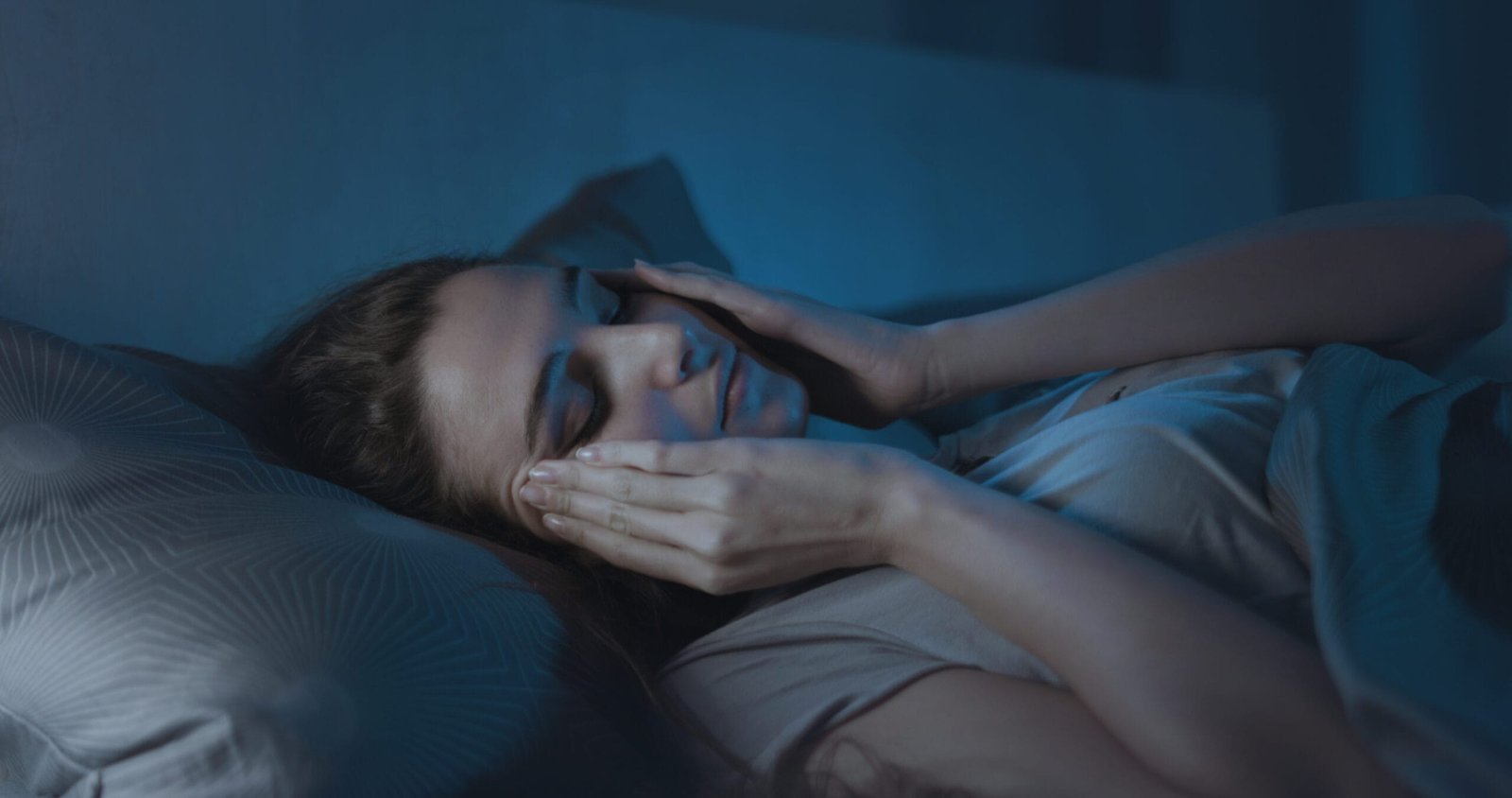
The Power of Sleep
In today’s hustle-driven culture, sleep is often treated as optional. Yet it remains one of the most powerful forms of healing. A single restless night can upset metabolism, weaken immunity, and cloud mental focus. While coffee may mask the fatigue, the body and mind eventually demand surrender to restorative rest.
But beyond detoxifying the brain and supporting overall health, research now highlights an overlooked connection between sleep and eye health.
Sleep and the Eyes
According to ophthalmologists, the eyes—especially the cornea, the transparent front layer responsible for focusing vision—rely heavily on sleep. During sleep, the cornea is bathed in tear film, a nutrient-rich layer that oxygenates and repairs daily micro-damage.
An ophthalmologist at Saifee Hospital explains:
“Most of us think of sleep as fuel for the brain and body, but your eyes also depend on it. While 7–8 hours of rest is ideal, the cornea requires at least four hours of uninterrupted sleep for proper healing.”
When this process is interrupted, problems arise. Common issues include:
- Recurrent corneal erosions (tiny, painful breaks on the corneal surface)
- Dryness, irritation, or light sensitivity upon waking
- Risk of more serious complications like corneal ulcers or keratopathy
Why Doctors Must Pay Attention
For healthcare professionals, this connection underscores the importance of sleep not only as a lifestyle factor but also as a key medical recommendation. Eye complaints such as persistent pain, blurred vision, or heightened sensitivity to light should be screened for underlying sleep issues.
Encouraging patients to adopt consistent sleep routines, screen-free nights, and comfortable sleep environments is as vital as prescribing eye drops or treatments.
The Real Cure Lies in Rest
Eye drops may soothe temporarily, but they do not address the root cause. The true solution is restorative, uninterrupted sleep. Doctors and patients alike must remember: “Your eyes need sleep just as much as your brain and body do.”
👉 For more on evidence-based lifestyle insights, visit Doctorpreneur Academy.
👉 Want to explore how doctors can integrate preventive health practices into patient care? Check out our resources at Doctorpreneur Academy’s Learning Hub.
Final Word
The message is simple yet profound: even four hours of deep sleep may be the bare minimum for corneal recovery, but a full night’s rest remains the strongest safeguard for long-term vision and health.
👉 To register for our next masterclass, please click here: https://linktr.ee/docpreneur