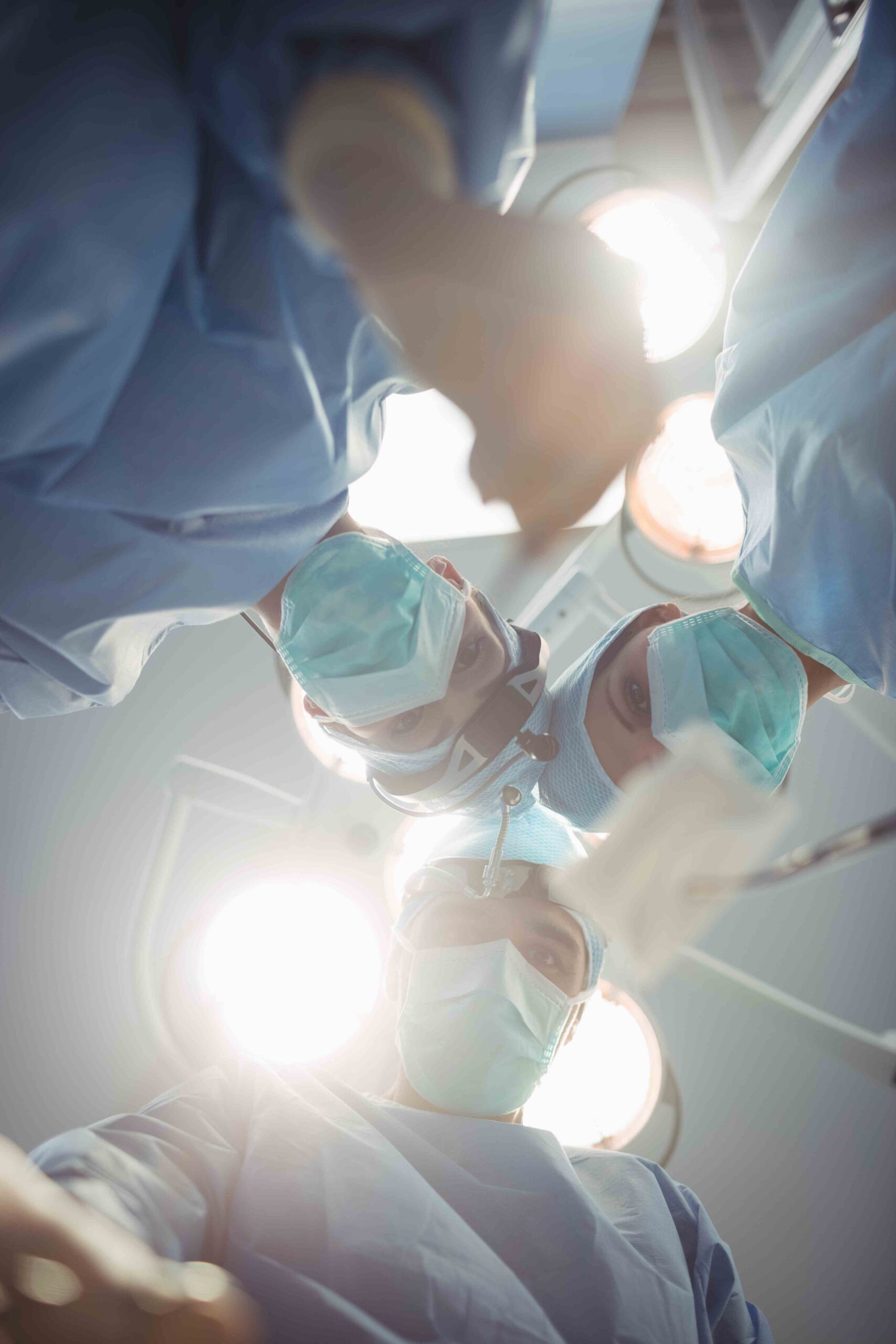
A major innovation in surgery may soon transform how delicate operations are performed. Researchers at the University of New Mexico (UNM), in collaboration with scientists from the University of California, San Diego (UCSD), have developed a groundbreaking drug called Bevonescein—a first-of-its-kind imaging agent that makes nerve tissue glow under special light, helping surgeons avoid damaging nerves during complex procedures.
This exciting advancement, now in Phase 3 clinical trials, holds the potential to make surgeries safer, faster, and more precise, especially for procedures involving tumors and sensitive areas like the neck or face.
What Is Bevonescein?
Bevonescein is a short chain of amino acids attached to a fluorescent molecule. When injected through an IV before surgery, it binds to nerve tissues and emits a yellowish-green glow under specific lighting in the operating room. This allows surgeons to see nerves that are usually invisible to the naked eye, significantly reducing the risk of accidental nerve damage.
Why This Matters in Surgery
During surgeries—especially for head and neck cancers, thyroid procedures, or lymph node removal—nerves are difficult to see and must be carefully preserved. Accidental nerve damage can lead to long-term complications, such as facial paralysis, speech issues, or chronic pain.
With this fluorescent imaging drug, surgeons gain a visual roadmap of nerve pathways, improving accuracy and outcomes.
“If we can help surgeons see things better, they can do faster, more efficient, safer surgery,” said Dr. Ryan Orosco, Associate Professor and head and neck surgeon at UNM, and national principal investigator of the drug’s Phase 3 trial.
Phase 1 and 2 Trials Show Promise
In early studies involving 27 cancer patients, Bevonescein was shown to be safe and effective. It revealed longer stretches of nerves than were previously visible during surgery. Patients had procedures such as thyroid, parotid, and lymph node dissections, where protecting nerves is critical.
Notably, the drug clears from the body within 12 hours but remains bound to nerves for several hours, giving surgeons enough time to operate without any long-term residue.
What’s Next: Phase 3 Trials and Wider Use
The ongoing Phase 3 trial is being conducted across 10 medical centers, including UNM Hospital. It will determine if the drug truly improves surgical outcomes, beyond just helping surgeons see better. If successful, Bevonescein could receive FDA approval, and its use may be expanded to other surgeries across the body.
Another exciting development: researchers are testing headband-mounted magnifying loupes (instead of microscopes) to make the technology more practical for real-world use.
A Light-Emitting Drug Inspired by Nobel-Winning Science
This innovation traces back to Dr. Quyen Nguyen and Dr. Roger Tsien, a Nobel laureate who helped develop green fluorescent proteins—a technology that allows scientists to tag and visualize specific tissues. Bevonescein applies this same principle to nerve visualization in live human surgeries.
A Game-Changer for Future Surgery
If successful, Bevonescein could revolutionize surgeries for:
- Head and neck cancers
- Thyroid and parathyroid surgeries
- Facial reconstructive procedures
- Any complex surgeries near major nerve pathways
It also opens the door for off-label uses, where surgeons might begin applying it in orthopedics, neurosurgery, and even robotic surgeries for better precision.
What It Means for Doctors and Future Surgeons
At The Doctorpreneur Academy, we closely follow such medical innovations that combine technology, clinical research, and entrepreneurship. This development shows how surgeon-led research can directly lead to better patient care and faster surgical innovation.
For healthcare professionals, understanding such trends is key to staying ahead in practice and embracing tools that enhance safety and precision in real-time.
Final Thoughts
As the Phase 3 trial of Bevonescein moves closer to completion, the future of surgery looks brighter—quite literally. The ability to see nerves clearly during surgery could soon become standard, not luxury.
🔗 Learn more about such healthcare innovations, digital tools, and doctor-led research at The Doctorpreneur Academy. We help doctors stay ahead with insights that matter.
Call to Action
✨ Are you a doctor interested in the future of healthcare innovation?
Join The Doctorpreneur Academy and explore how AI, surgical tech, and digital health are reshaping medicine.
👉 To register for our next masterclass, please click here https://linktr.ee/docpreneur