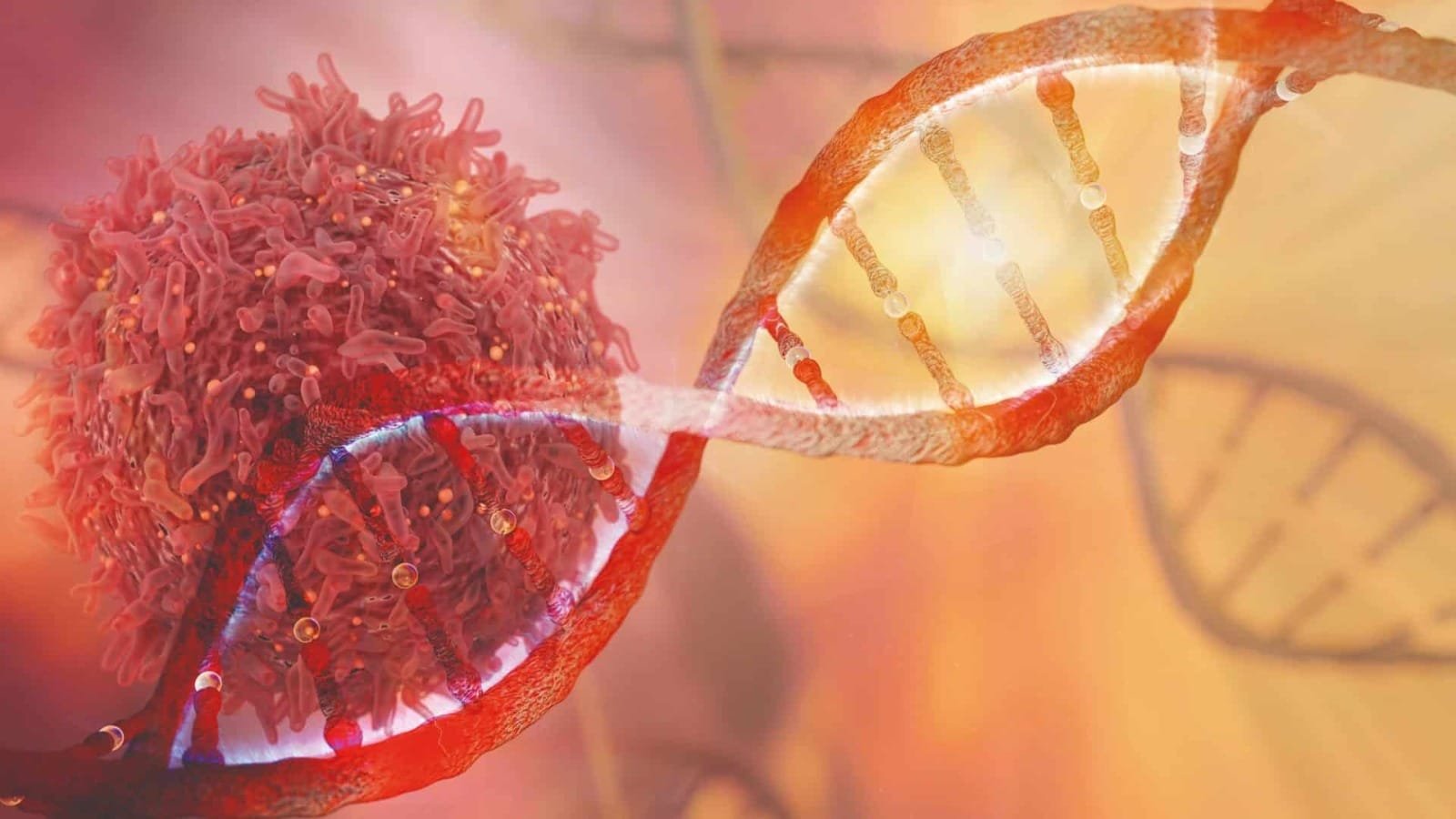
Sometimes, a simple health check can change everything.
What started as mild fatigue and unexplained weight loss for a 60-year-old man from Sikkim turned out to be something far more serious. He assumed it was just weakness or age catching up. Instead, it was his body quietly signalling an internal problem that had gone unnoticed for months.
A routine blood test revealed the first red flag. His hemoglobin had dropped to a dangerously low 6.5 g/dL, pointing to significant blood loss. But there were no obvious signs. No visible bleeding. No sharp pain.
That silence is what makes many colorectal conditions so dangerous.
The hidden cause
Further testing showed occult blood in his stool, meaning he had been losing blood slowly through his digestive tract without realizing it. Doctors recommended a colonoscopy to understand what was happening inside.
The results were alarming.
His entire colon was covered with multiple polyps.
Not just one or two, but hundreds.
This pattern suggested something more than a routine gastrointestinal issue. When he was referred to specialists at Yashoda Hospitals in Hyderabad, a deeper evaluation uncovered an important clue: family history. His sister and another close relative had faced similar intestinal problems.
That detail changed the direction of his diagnosis.
A genetic answer
Genetic testing confirmed Familial Adenomatous Polyposis, commonly known as FAP.
FAP is a hereditary disorder that causes numerous polyps to develop in the colon and rectum. Left untreated, these polyps almost always turn cancerous over time. For many patients, colorectal cancer becomes almost inevitable without preventive action.
The reality is stark. This was not just about treating symptoms. It was about stopping cancer before it had the chance to develop.
Acting before cancer strikes
The medical team decided on a preventive approach rather than waiting for the disease to progress.
They performed an advanced laparoscopic total proctocolectomy, removing nearly the entire colon where the polyps were widespread. To help him maintain normal digestion and avoid a permanent colostomy bag, surgeons created an internal pouch using the small intestine.
Thanks to minimally invasive techniques, his recovery was smooth. He was back on his feet sooner than expected.
More importantly, he avoided a future diagnosis of colorectal cancer.
Lessons this case teaches all of us
This story is not just about one patient. It’s a reminder of how powerful early detection can be.
First, routine checkups matter more than we think. Colon cancer often develops quietly. By the time symptoms become obvious, the disease may already be advanced. Regular screenings, especially after age 50, can catch problems early when they are still preventable.
Second, family history is not just background information. It can be lifesaving data. Around 3 to 5 percent of colorectal cancers are hereditary. If someone in your family has had similar issues, your risk may be higher than you realize.
In this patient’s case, doctors have now advised all family members to begin colonoscopy screenings as early as age 25. That one diagnosis could protect an entire generation.
The bigger takeaway
We often wait for pain or serious discomfort before seeing a doctor. But many serious conditions don’t announce themselves loudly. They build quietly.
A simple test. A routine visit. A quick conversation about family history.
These small steps can sometimes mean the difference between early prevention and late treatment.
This man walked in thinking he was just tired. He walked out with his life protected.
Sometimes, prevention really is the best cure.
👉 To register for our next masterclass, please click here: https://linktr.ee/docpreneur