
The recent Andes hantavirus outbreak linked to the cruise ship MV Hondius has reignited global conversations around emerging infectious diseases and pandemic preparedness. While health authorities continue to classify the overall public risk as low, the outbreak has drawn attention because the Andes strain is one of the few hantaviruses known to spread from person to person under specific conditions.
Understanding Hantavirus
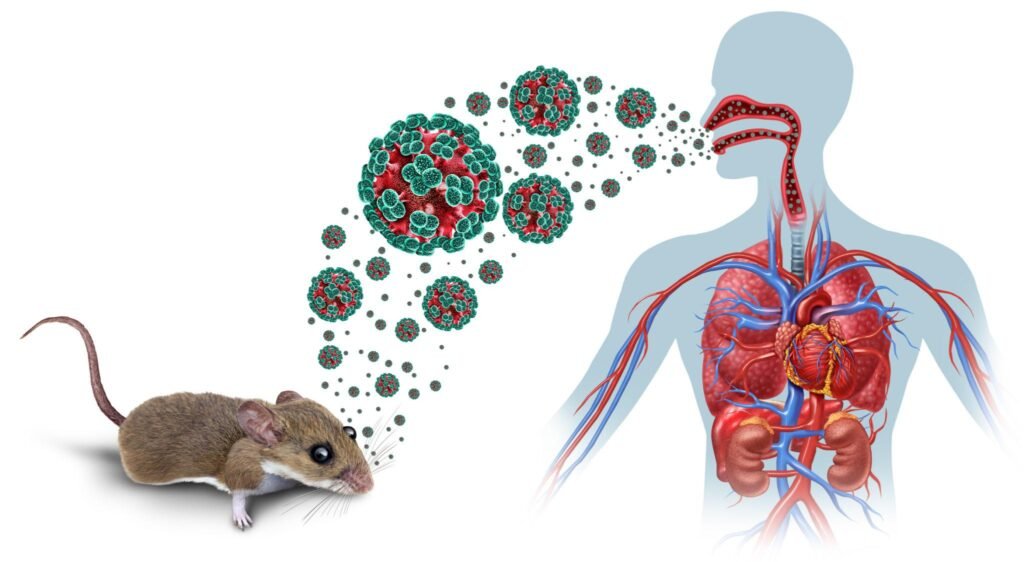
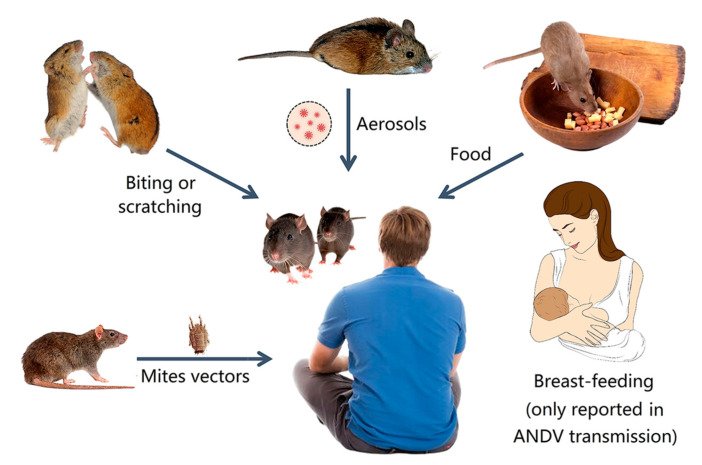
Hantaviruses are a group of zoonotic viruses primarily carried by rodents. Humans typically become infected through exposure to contaminated rodent urine, saliva, or droppings. Infection often occurs when dried particles become airborne and are inhaled.
Different strains of hantavirus are associated with different syndromes across the world. In Asia and parts of Europe, hantaviruses are commonly linked to hemorrhagic fever with renal syndrome. In the Americas, they are more frequently associated with hantavirus cardiopulmonary syndrome, a severe respiratory illness that can rapidly progress and become life threatening.
Why the Andes Strain Is Different
Most hantaviruses are not known to spread between humans. However, the Andes strain, found mainly in South America, has demonstrated limited human to human transmission in previous outbreaks. Experts note that transmission generally requires close and prolonged contact, especially exposure to body fluids of infected individuals.
The recent outbreak aboard the MV Hondius cruise ship involved passengers who had traveled from Argentina, where the Andes strain is endemic. Investigators believe the original exposure likely occurred before boarding the ship through contact with infected rodents or contaminated environments.
What Happened on the Cruise Ship
The outbreak first gained international attention after the death of a 70 year old Dutch passenger who developed symptoms shortly after the voyage began. Multiple confirmed cases later emerged across several countries, including South Africa, Spain, Switzerland, France, and the Netherlands.
Health authorities initiated extensive international tracing efforts, quarantine measures, and medical evacuations. Passengers considered high risk were advised to isolate and monitor for symptoms for several weeks because the incubation period of the virus can extend up to eight weeks.
Symptoms Doctors and Patients Should Watch For
One of the biggest challenges with hantavirus infection is that the early symptoms often resemble common viral illnesses. Initial symptoms may include:
- Fever
- Headache
- Muscle aches
- Fatigue
- Abdominal discomfort
- Vomiting or diarrhea
As the disease progresses, patients can rapidly deteriorate and develop:
- Severe breathing difficulty
- Fluid accumulation in the lungs
- Low blood pressure
- Shock
- Oxygen deprivation
Experts describe the disease progression as sudden and aggressive once the respiratory phase begins. Severe cases may require intensive care support and mechanical ventilation.
Is This the Next Pandemic?
Despite rising public concern, infectious disease specialists and international agencies currently believe the likelihood of a global pandemic remains low. The World Health Organization and CDC have emphasized that the Andes virus does not spread as easily as respiratory viruses such as SARS CoV 2.
Unlike COVID 19, hantavirus transmission generally requires closer exposure and does not appear to spread efficiently through casual day to day interactions. However, experts continue to monitor the situation carefully because the Andes strain remains unique among hantaviruses for its ability to transmit between humans.
Why Public Health Experts Are Paying Attention
Although the current outbreak is relatively limited, it has highlighted several important concerns:
High Fatality Rate
Hantavirus cardiopulmonary syndrome can carry mortality rates approaching 40 to 50 percent in severe cases.
Long Incubation Period
Symptoms may appear days to weeks after exposure, making monitoring and contact tracing more difficult.
International Travel Risks
Cruise ships and international travel can rapidly expose multiple countries to emerging infectious diseases.
No Specific Treatment
Currently, there are no approved antiviral medications or vaccines specifically targeting hantavirus infection. Treatment mainly focuses on supportive intensive care management.
Prevention Remains the Best Defense
Health authorities continue to recommend strong preventive measures, especially in areas where hantavirus is known to circulate. These include:
- Controlling rodent infestations
- Sealing gaps and openings in homes
- Avoiding sweeping rodent droppings directly
- Using protective equipment such as gloves and N95 masks during cleaning
- Ensuring proper ventilation before entering enclosed contaminated spaces
Healthcare workers caring for suspected patients are also advised to use masks, eye protection, gloves, and strict infection control precautions.