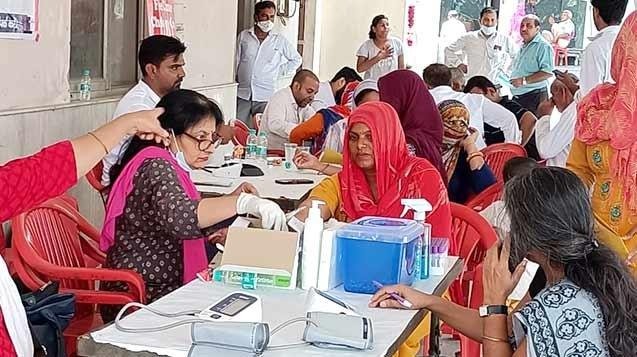
India’s healthcare system is gradually shifting from a treatment-driven model to a preventive care approach, and Andhra Pradesh has taken a major step in that direction. The state government has approved a large-scale preventive health screening program covering over 56 lakh people, making it one of the most ambitious public health initiatives in the country.
A Landmark Preventive Healthcare Initiative
The program, approved under the leadership of Health Minister Y. Satya Kumar Yadav, aims to screen around 56.4 lakh individuals annually, including:
- People identified as high-risk in non-communicable disease (NCD) surveys
- Students residing in welfare hostels
With an annual budget of approximately ₹162.72 crore, the initiative represents a strategic investment in early detection and long-term disease prevention.
From Treatment to Prevention: A Strategic Shift
Traditionally, healthcare systems in India have focused on treating diseases after they occur. This initiative marks a clear shift toward preventive healthcare, aiming to detect illnesses before they become severe.
Previously, rural-level services relied on only six basic tests using rapid kits, often with limited accuracy. The new model expands this significantly, enabling:
- Comprehensive diagnostics
- Data-driven health monitoring
- Early medical intervention
Advanced Screening with 47 Diagnostic Tests
At the core of this initiative is a comprehensive screening system offering 47 types of diagnostic tests across 11 major health categories.
These include:
- Liver and kidney function tests
- Blood counts and glucose levels
- Lipid profiles and electrolyte balance
- Urine analysis and coagulation tests
This extensive testing framework ensures a holistic evaluation of an individual’s health, enabling early identification of chronic and lifestyle-related diseases.
Mobile Medical Units: Healthcare at the Grassroots
To ensure accessibility, the program will be implemented through 104 Mobile Medical Units (MMUs) equipped with advanced diagnostic tools such as:
- Semi-automatic biochemistry analyzers
- CBC machines
- Microscopes and incubators
Each unit is expected to:
- Screen around 20 individuals per day
- Cover approximately 520 people per month
This mobile approach brings healthcare directly to communities, especially in rural and underserved areas, addressing long-standing accessibility challenges.
Digital Health Records and Personalized Care
A key innovation of the program is the creation of:
- Individual health profiles
- Electronic health records (EHRs)
These will allow:
- Continuous health monitoring
- Personalized medical advice
- Data-driven decision-making for healthcare planning
Under the Sanjeevani framework, beneficiaries will also receive guidance on preventive measures and long-term health management.
Addressing the Rise of Non-Communicable Diseases
India is witnessing a rapid increase in non-communicable diseases such as diabetes, hypertension, and cardiovascular disorders.
This initiative specifically targets:
- Early identification of high-risk individuals
- Reduction of disease progression
- Lower long-term healthcare costs
By focusing on prevention, the program aims to reduce the need for expensive treatments like hospitalisation, dialysis, and surgeries.
Implementation Timeline and Scale
The government is working toward launching the program within the next two months, ensuring quick rollout and immediate impact.
Given its scale, this initiative stands out as:
- One of the largest community-based health screening programs in India
- A model for integrating technology, outreach, and preventive care
Impact on Public Health
If executed effectively, the program is expected to:
- Improve early diagnosis rates
- Reduce disease burden across communities
- Strengthen primary healthcare systems
- Enhance overall population health outcomes
Most importantly, it shifts healthcare from reactive treatment to proactive prevention, which is critical for long-term sustainability.
Challenges Ahead
While the initiative is promising, its success will depend on:
- Efficient implementation of mobile units
- Consistent data management and follow-ups
- Public awareness and participation
Ensuring quality and continuity of care will be key to achieving the desired outcomes.
Conclusion
The launch of this large-scale preventive health screening program marks a transformative moment in India’s public healthcare approach. By combining advanced diagnostics, mobile healthcare delivery, and digital health records, Andhra Pradesh is setting a new benchmark for early diagnosis and preventive care.
If implemented successfully, this initiative could serve as a blueprint for other states, helping build a healthcare system that is not only accessible but also proactive, efficient, and patient-centric.