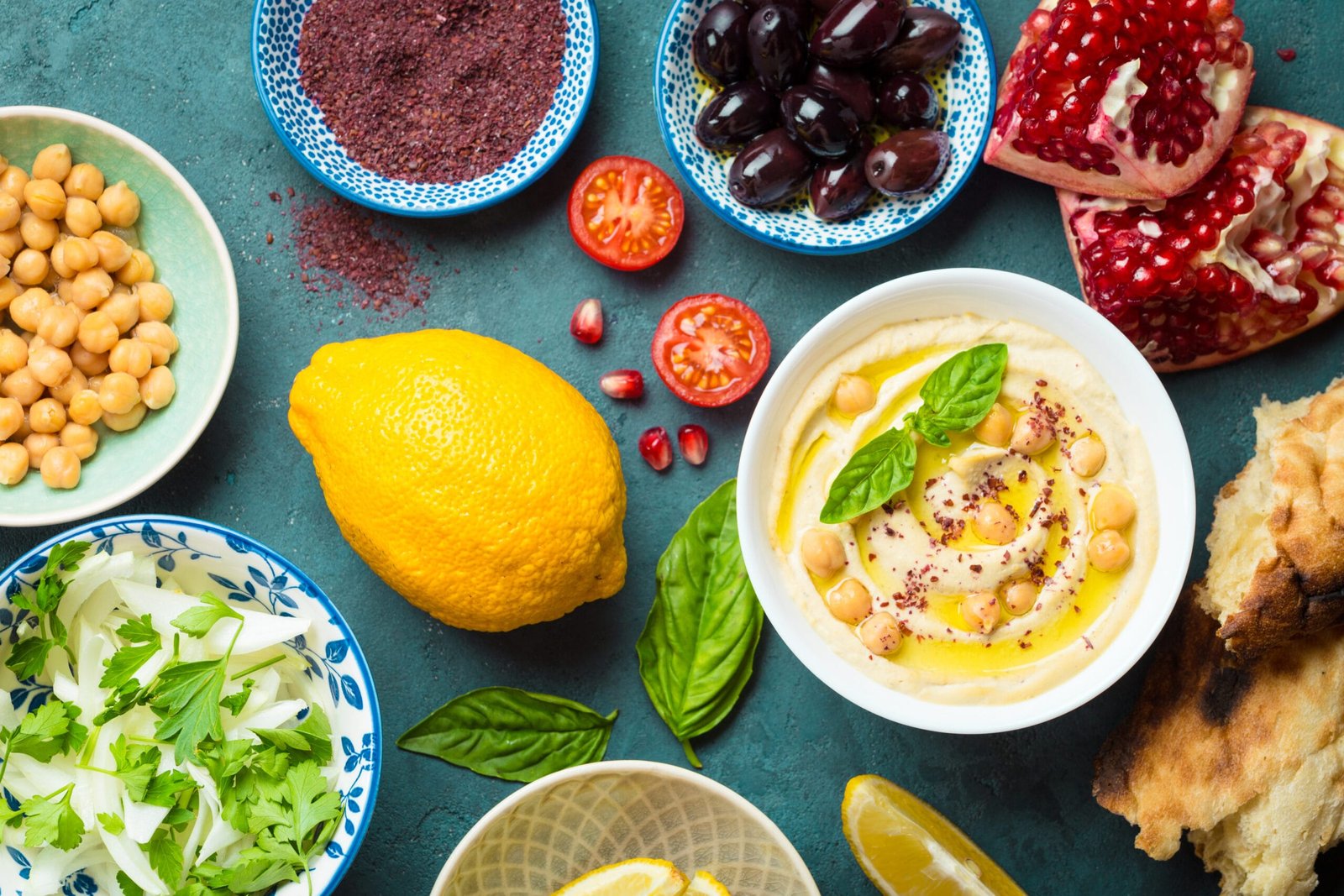
Alzheimer’s disease is one of the most feared conditions of our time. It slowly robs people of memory, independence, and quality of life. While genetics play a strong role—especially for those carrying the APOE4 gene variant—a new study brings hope: the Mediterranean diet may help protect the brain, even in people at higher genetic risk.
This research, conducted by experts from Mass General Brigham, Harvard T.H. Chan School of Public Health, and the Broad Institute, highlights how nutrition is not just about the body but also about the brain.
What the Study Found
The study analyzed long-term dietary patterns and blood samples from:
- 4,215 women (Nurses’ Health Study)
- 1,490 men (Health Professionals Follow-Up Study)
Key Results:
- Participants who followed a Mediterranean diet had a lower risk of dementia and slower cognitive decline.
- The protective effect was strongest in individuals with two copies of the APOE4 gene variant—the highest genetic risk group for Alzheimer’s.
- The Mediterranean diet influenced blood metabolites linked to cognitive health, suggesting a biological mechanism behind the benefits.
Why This Matters for Indian Doctors
- Rising Burden of Dementia
India is witnessing a growing number of dementia cases, with millions of families affected. Prevention strategies are urgently needed. - Role of Lifestyle in Genetics
The study shows that genes are not destiny. Even patients with a strong genetic predisposition can lower their risk through diet and lifestyle. - Diet as a Tool in Preventive Medicine
Encouraging patients to adopt a diet rich in fruits, vegetables, legumes, nuts, fish, whole grains, and olive oil could have long-term benefits for brain health.
Is This a Trend Going Forward?
Yes. Globally, the shift toward personalized nutrition is growing, where diets are recommended based on genetic and metabolic risk factors. For doctors in India, this trend means more patients will seek dietary advice for brain health alongside traditional care.
Learnings for Doctors
- Integrate dietary counseling into routine check-ups, especially for patients with family histories of dementia.
- Educate patients that small, consistent changes in diet can slow down cognitive decline.
- Encourage cultural adaptations of the Mediterranean diet (e.g., replacing olive oil with mustard/groundnut oil, adding lentils and locally available nuts).
- Collaborate with nutritionists to offer holistic, preventive care.
How Doctors Inside The Doctorpreneur Academy Are Preparing
At The Doctorpreneur Academy, doctors are embracing this evidence-based approach by:
- Creating patient-friendly content on diet and brain health.
- Using digital platforms to share preventive strategies and lifestyle tips.
- Building personal brands as preventive health advocates.
- Staying updated with global research and adapting it for the Indian context.
By combining clinical expertise with digital communication, Academy doctors are making prevention as important as treatment.
Conclusion
The Mediterranean diet is more than just a food plan—it’s a potential shield against cognitive decline. While genetics cannot be changed, lifestyle choices can reshape the brain’s future.
Doctors at The Doctorpreneur Academy are already leading this change—guiding patients to not just live longer, but to live healthier, sharper, and dementia-free lives.
🥗 Your plate today can shape your memory tomorrow.
👉To register for our next masterclass, please click here: https://linktr.ee/docpreneur