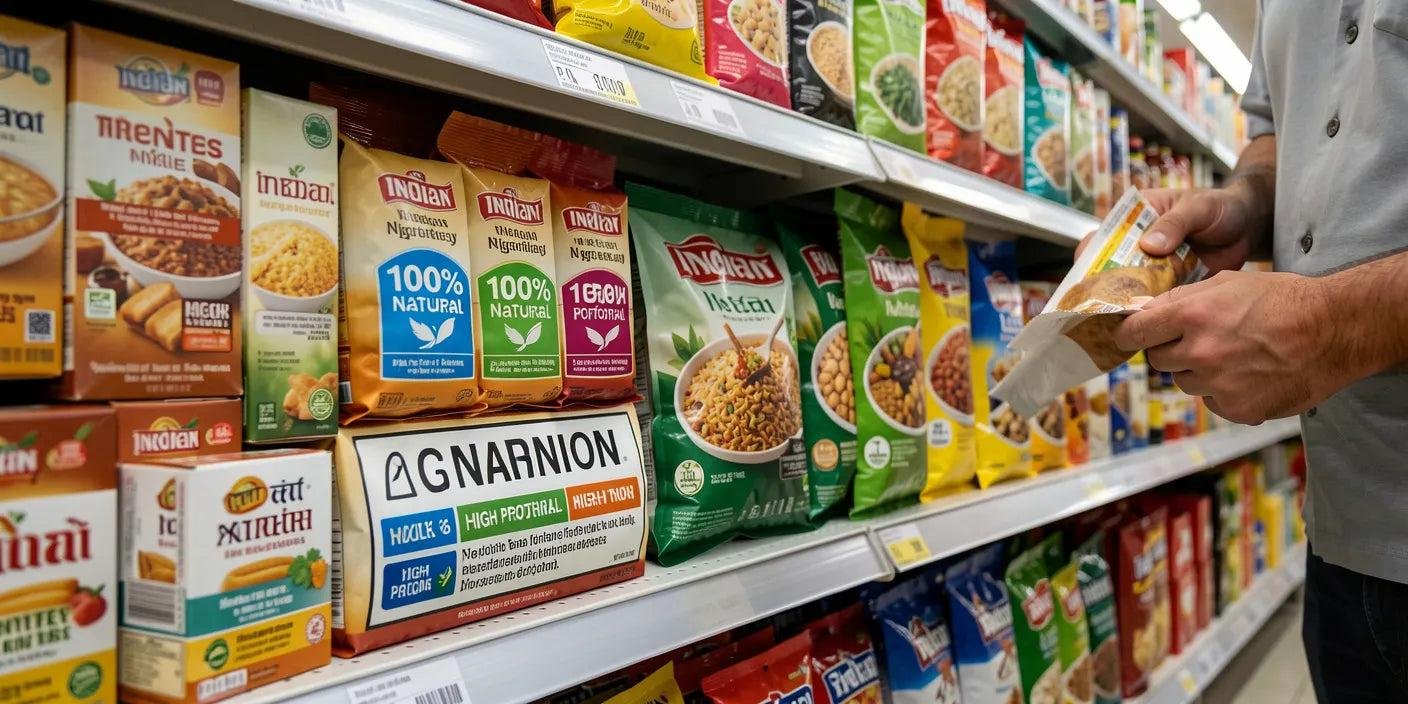
The Food Safety and Standards Authority of India (FSSAI) has launched a major enforcement drive against misleading food product labels, issuing show cause notices to several food companies for making claims that may deceive consumers. The regulator is scrutinizing labels that use terms such as “100% Natural,” “Premium Chocolate,” “Fresh,” “Healthy,” and other marketing claims that are not adequately supported by the product’s actual composition or applicable regulations.
The move reflects FSSAI’s commitment to ensuring that consumers receive accurate information when purchasing packaged food products.
Why the Crackdown Matters
Food labels play an important role in helping consumers make informed dietary choices. When companies use exaggerated or inaccurate claims, buyers may unknowingly purchase products that do not match their expectations.
According to FSSAI, labels and advertisements should clearly represent the ingredients, nutritional value, and quality of a product without misleading consumers through unsupported health or quality claims. The recent action is intended to improve transparency and strengthen trust in India’s food industry.
Common Claims Under Scrutiny
The regulator has identified several types of potentially misleading claims appearing on packaged food products.
These include:
- “100% Natural” despite the presence of preservatives or additives
- “Premium Chocolate” products containing vegetable fats instead of cocoa butter
- Fruit flavoured products with little or no real fruit content
- Unsupported health claims such as boosting immunity or removing toxins
- Incorrect or incomplete ingredient declarations
FSSAI has directed the concerned companies to explain these claims and demonstrate compliance with existing food safety regulations.
Protecting Consumer Rights
The initiative aims to ensure that consumers are not influenced by marketing language that exaggerates the health benefits or quality of food products.
Accurate labelling allows individuals to compare products more effectively, especially those managing medical conditions such as diabetes, hypertension, food allergies, or dietary restrictions. Transparent information also supports healthier purchasing decisions and strengthens consumer confidence in packaged foods.
Stronger Compliance for Food Businesses
The enforcement drive serves as a reminder that food manufacturers are responsible for ensuring that every statement made on product packaging is truthful and supported by evidence.
Companies found violating labelling regulations may face regulatory action under the Food Safety and Standards Act. The latest notices indicate that FSSAI is increasing surveillance and expects stricter compliance across the food industry.
What Consumers Should Do
While regulatory action strengthens oversight, consumers also play an important role in making informed food choices.
Before purchasing packaged foods, it is advisable to:
- Read the complete ingredient list
- Check the nutrition information panel
- Be cautious of exaggerated health claims
- Verify product certifications where applicable
- Report suspicious or misleading labels to the appropriate authorities
Greater awareness can help consumers distinguish genuine product information from promotional marketing language.
Strengthening India’s Food Safety Ecosystem
FSSAI’s latest action is part of a broader effort to improve food quality standards, promote responsible marketing, and ensure greater accountability among food manufacturers.
By encouraging truthful product labelling, the regulator aims to create a fair marketplace where companies compete based on genuine product quality rather than misleading promotional claims. This approach also supports higher standards across India’s rapidly growing packaged food sector.
Looking Ahead
As consumer awareness continues to grow, food manufacturers are expected to place greater emphasis on transparent communication and regulatory compliance.
The recent crackdown signals that FSSAI will continue monitoring product labels and advertisements closely to ensure that health, nutrition, and quality claims are backed by scientific evidence and comply with national food safety regulations.