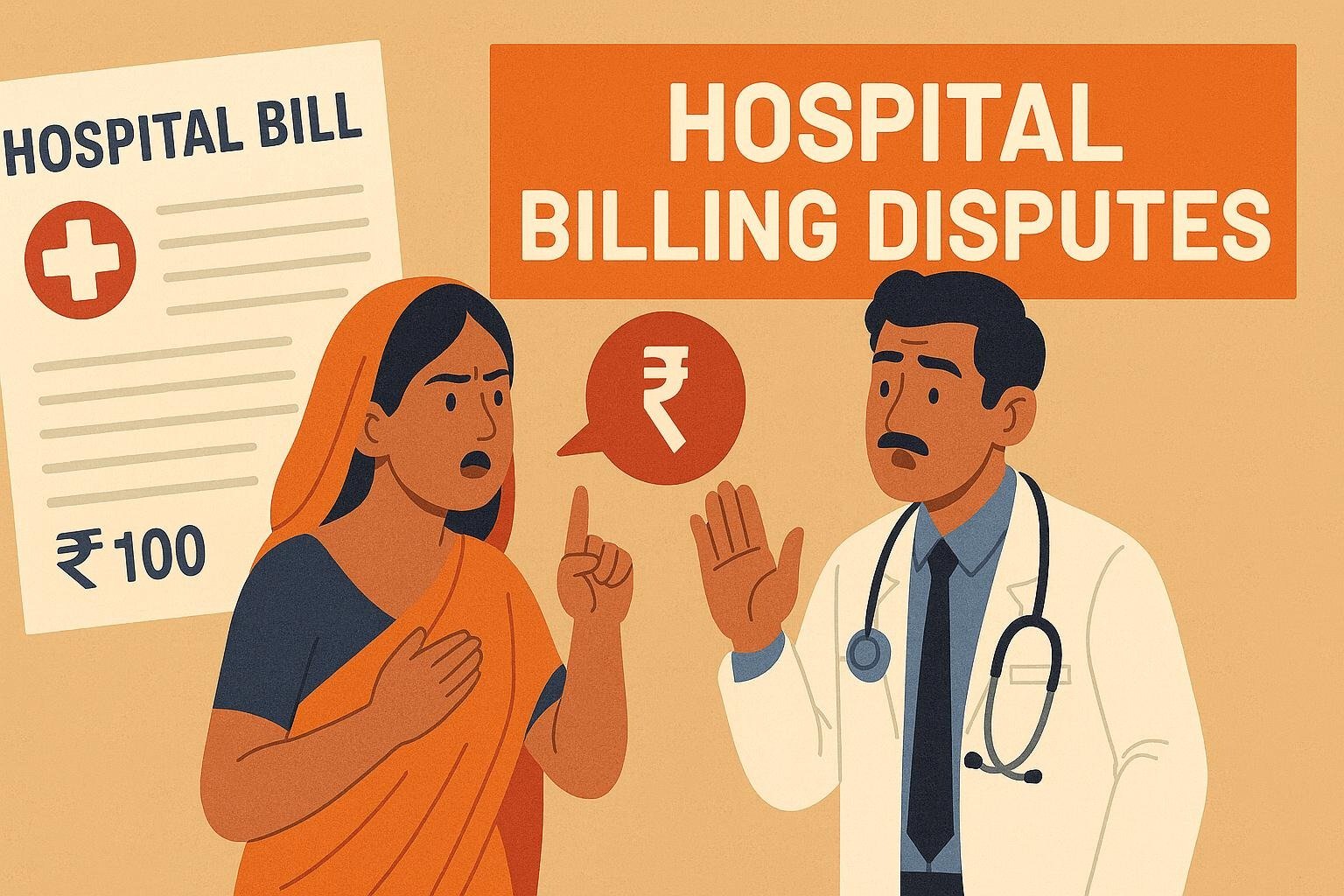
India’s healthcare system is under increasing pressure from rising medical costs and expensive insurance premiums. In response, the central government has taken a significant policy step by urging all states and Union Territories to standardize hospital rates and improve billing transparency, particularly in private healthcare institutions.
This move reflects a broader effort to make healthcare more predictable, transparent, and affordable for millions of patients across the country.
The Core Issue: Rising Costs and Inconsistent Pricing
One of the biggest challenges in India’s healthcare ecosystem is the lack of uniform pricing. The same treatment or procedure can vary significantly in cost depending on the hospital, city, or even the doctor.
The government has identified this inconsistency as a major reason behind:
- Increasing hospital bills
- Rising health insurance premiums
Despite the health insurance sector growing at around 9% annually, with premium volumes exceeding ₹1.2 lakh crore in 2024–25, affordability remains a serious concern for policyholders.
What the Government Is Proposing
In a directive issued by the Union Department of Financial Services, states have been asked to bring greater uniformity in healthcare pricing and billing practices.
Key recommendations include:
- Introducing standard package rates for common medical procedures
- Ensuring transparent billing systems in private hospitals
- Enforcing provisions under the Clinical Establishments Act, 2010
- Strengthening oversight through existing regulatory frameworks
The aim is to eliminate arbitrary pricing and create a fair and structured cost system for patients.
Standard Treatment Protocols: A Missing Link
Another major concern highlighted is the lack of consistency in treatment practices.
Hospitals are expected to follow standard treatment guidelines under the Clinical Establishments Rules, 2012. Adhering to these protocols can:
- Reduce unnecessary procedures
- Ensure consistent quality of care
- Control inflated medical bills
This step is crucial in aligning both clinical quality and financial transparency.
Digital Transformation: The Role of NHCX
The government is also pushing for digital integration through the National Health Claims Exchange (NHCX) platform.
This system is expected to:
- Standardise insurance claims processing
- Improve data sharing between hospitals and insurers
- Reduce disputes and delays in claim settlements
Digitalization could play a key role in building a more efficient and accountable healthcare ecosystem.
Strengthening Patient Protection
A major part of the reform focuses on improving grievance redressal mechanisms.
Currently, disputes between patients, hospitals, and insurers often lack clarity and timely resolution. The new directive emphasizes:
- Faster complaint resolution
- Increased accountability
- Better patient trust in private healthcare systems
Implementation Challenges
While the initiative is promising, experts caution that execution will be the real test.
Some key challenges include:
- Lack of a robust audit and monitoring system
- Difficulty in standardising doctor fees and treatment complexity
- Need for an independent regulatory body
Without strong oversight, achieving uniformity across India’s diverse healthcare landscape may remain difficult.
Part of Broader Healthcare Reforms
This initiative is part of the government’s larger “Compliance Reduction and Deregulation” push in the healthcare sector.
Other proposed reforms include:
- Allowing doctors to practice across states without re-registration
- Introducing a single-window clearance system for healthcare facilities
These measures aim to simplify operations while improving access to healthcare services nationwide.
What This Means for Patients
If effectively implemented, standardizing hospital rates could bring major benefits:
- Lower and more predictable treatment costs
- Reduced insurance premiums over time
- Greater transparency in hospital billing
- Improved trust in private healthcare providers
Ultimately, this reform has the potential to shift India toward a system where healthcare is not just accessible but also financially fair.
Conclusion
The push to standardize hospital rates marks a critical reform in India’s healthcare journey. By addressing pricing inconsistencies, enforcing treatment standards, and leveraging digital platforms, the government is working to create a more balanced and patient-centric healthcare ecosystem.
However, the success of this initiative will depend heavily on how effectively states implement these guidelines. If executed well, it could become a turning point in making quality healthcare both accessible and affordable for all.