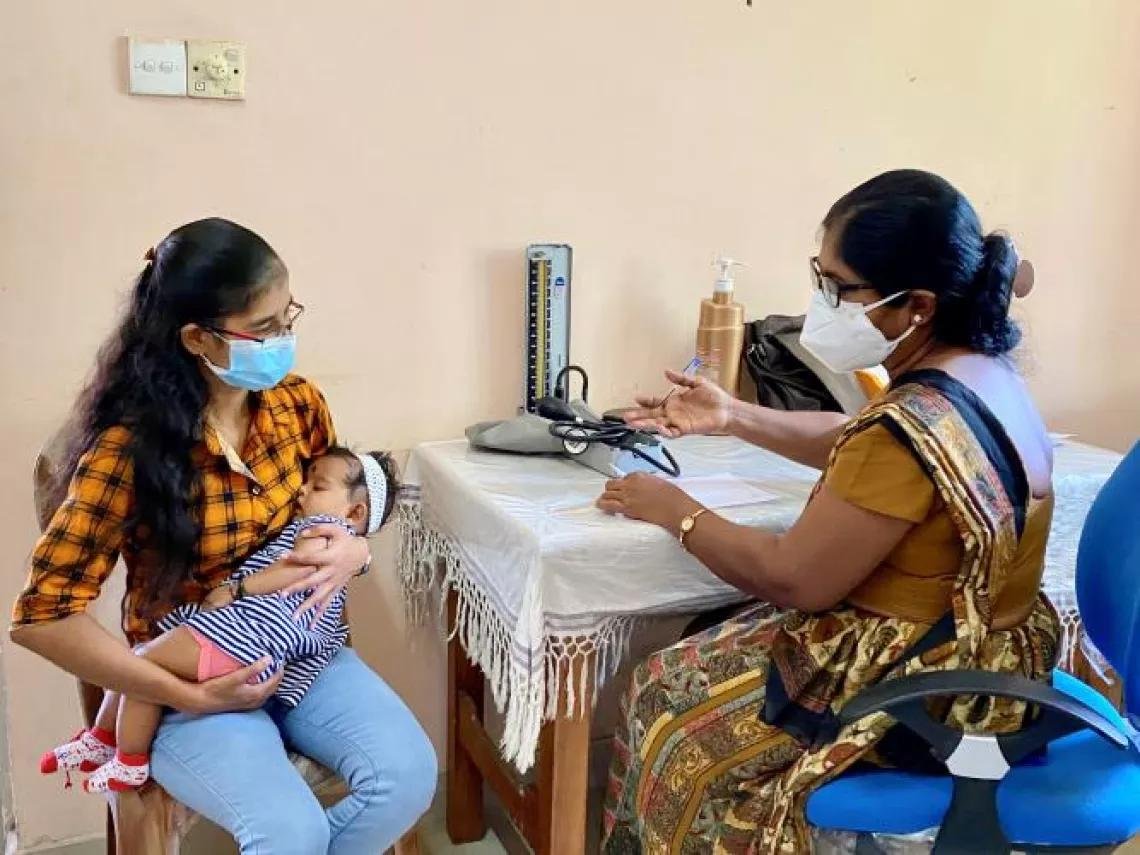
The Government of India has expanded its national strategy to combat anemia by including low birth weight babies up to six months of age under its flagship anemia control programme. The move marks a significant shift from a strategy focused primarily on iron supplementation to a more comprehensive approach that includes improved screening, nutrition, treatment, and digital monitoring.
The revised framework is designed to address one of India’s most persistent public health challenges by providing early interventions for vulnerable populations and reducing the long term health consequences of anemia.
Why the New Strategy Is Important
Anemia remains one of the leading nutritional disorders in India, affecting millions of children, adolescents, and women of reproductive age. Iron deficiency is the most common cause, although deficiencies of folate, vitamin B12, and vitamin A also contribute significantly.
The condition reduces the blood’s ability to carry oxygen, leading to fatigue, poor physical growth, weakened immunity, reduced cognitive development, and complications during pregnancy.
Recognizing these risks, the government has broadened its intervention strategy to address anemia earlier in life and through multiple healthcare touchpoints.
Low Birth Weight Babies Now Included
One of the most significant updates is the inclusion of low birth weight infants up to six months old within the national anemia control programme.
Previously, this vulnerable group was not covered under the flagship initiative. Health experts believe these infants face a greater risk of iron deficiency because they are born with lower iron stores, increasing their likelihood of developing anemia during early infancy.
Early identification and nutritional support are expected to improve infant growth, development, and overall health outcomes.
Moving Beyond Iron Supplements
The revised programme adopts a broader public health approach instead of relying solely on iron tablets.
Key components of the updated strategy include:
- Improved anemia screening and diagnosis
- Better treatment protocols
- Enhanced nutritional support
- Digital tracking of beneficiaries
- Early identification of high-risk individuals
- Stronger follow-up and monitoring
This integrated approach aims to address both nutritional and non nutritional causes of anemia while improving programme effectiveness across different population groups.
Strengthening the Anemia Mukt Bharat Mission
The expanded strategy builds upon the existing Anemia Mukt Bharat (AMB) programme, launched in 2018.
AMB follows a life cycle approach through its 6x6x6 strategy, which delivers six key interventions across six beneficiary groups using six institutional mechanisms. The programme covers preschool children, school-age children, adolescents, pregnant women, lactating mothers, and women of reproductive age.
By adding low birth weight infants, the government is extending protection to one of the earliest and most vulnerable stages of life.
Leveraging Technology for Better Monitoring
Digital health technologies are playing an increasingly important role in the revised programme.
The government plans to strengthen digital tracking systems to monitor anemia screening, treatment, supplement distribution, and beneficiary follow-up in real time. Improved data collection will help healthcare workers identify gaps in service delivery and ensure timely interventions for vulnerable populations.
Technology driven monitoring is expected to improve programme efficiency and accountability nationwide.
Focus on Nutrition and Preventive Care
The updated strategy emphasizes that preventing anemia requires more than medication alone.
Alongside iron supplementation, greater attention is being given to balanced nutrition, dietary diversity, deworming, fortified foods, maternal health, and health education. These interventions are designed to improve overall nutritional status while reducing the underlying causes of anemia across different age groups.
Healthcare experts believe this comprehensive approach can produce more sustainable improvements in population health.
Benefits for Mothers and Children
The revised programme is expected to generate long term benefits for maternal and child health.
Early detection and treatment of anemia can reduce pregnancy complications, improve birth outcomes, support healthy infant growth, enhance cognitive development, and lower the risk of long term nutritional deficiencies.
By focusing on mothers and infants together, the strategy also aims to break the intergenerational cycle of malnutrition and anemia that affects many families across the country.
Building a Healthier Future
The expansion of India’s anemia control programme reflects a growing emphasis on preventive healthcare and early intervention.
By combining nutrition, digital health, screening, treatment, and community-based care, the government aims to strengthen healthcare delivery while improving outcomes for millions of vulnerable citizens.
As implementation expands across states and union territories, the revised strategy is expected to play an important role in reducing the national burden of anemia and improving maternal and child health indicators.