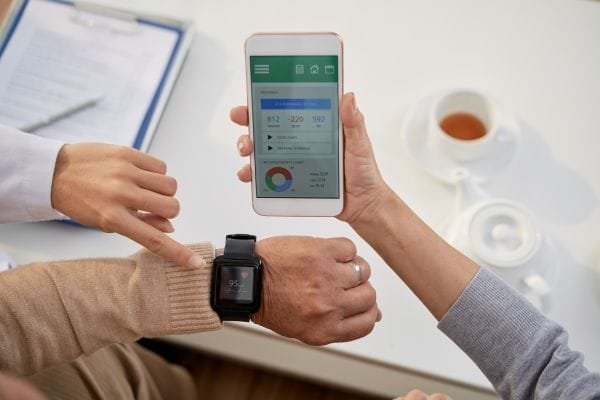
A 46-year-old IT professional in Mumbai had been facing unexplained blackouts for months. Despite undergoing multiple tests—including MRIs, EEGs, and ECGs—doctors couldn’t find the cause. Finally, the answer came from an unexpected place: his smartwatch.
The wearable device recorded episodes of dangerously slow heartbeats caused by a high-grade AV block, a serious condition where the heart’s electrical signals fail to transmit. When doctors matched these logs with the patient’s fainting spells, the diagnosis was clear. A pacemaker was implanted, and his life was saved.
This case is a powerful reminder of how technology and medicine are now working hand-in-hand to detect what conventional tests sometimes miss.
The Role of Wearables in Healthcare
- Early Detection: Smartwatches can pick up irregular heart rhythms or dangerously low heart rates.
- Real-Time Data: Unlike short hospital tests, wearables monitor continuously, catching rare or hidden events.
- Patient Empowerment: Patients feel more confident knowing they have access to their own health data.
What Does This Mean for Doctors in India?
- Changing Patient Expectations
Patients will increasingly bring wearable health data into consultations. Doctors must be ready to interpret this information responsibly. - Is It a Growing Trend?
Yes. With millions of Indians adopting smartwatches, this trend will only accelerate. Wearables are no longer just fitness tools—they are becoming diagnostic aids. - Learnings for Doctors in India
- Stay updated on wearable health technologies.
- Learn to differentiate between reliable signals and false alarms.
- Use wearable data as a starting point, not a substitute for clinical evaluation.
At The Doctorpreneur Academy, doctors are being trained to:
- Combine traditional medical expertise with modern digital tools.
- Educate patients about both the benefits and limitations of wearables.
- Build practices that integrate preventive care, telemedicine, and tech-driven consultations.
By learning these skills, Academy doctors are turning technology-driven patient behavior into opportunities for better diagnosis, stronger engagement, and innovative care models.
Final Takeaway
This smartwatch case shows us that the future of medicine will not be limited to clinics and hospitals. It will increasingly include digital devices worn on patients’ wrists, in their pockets, and at home.
For Indian doctors, the message is clear: embrace technology, guide patients wisely, and be ready for the next wave of digital healthcare.
Doctors at The Doctorpreneur Academy are already preparing for this future—building the skills to merge medicine, technology, and entrepreneurship to lead the way.
👉 To register for our next masterclass, please click here: https://linktr.ee/docpreneur