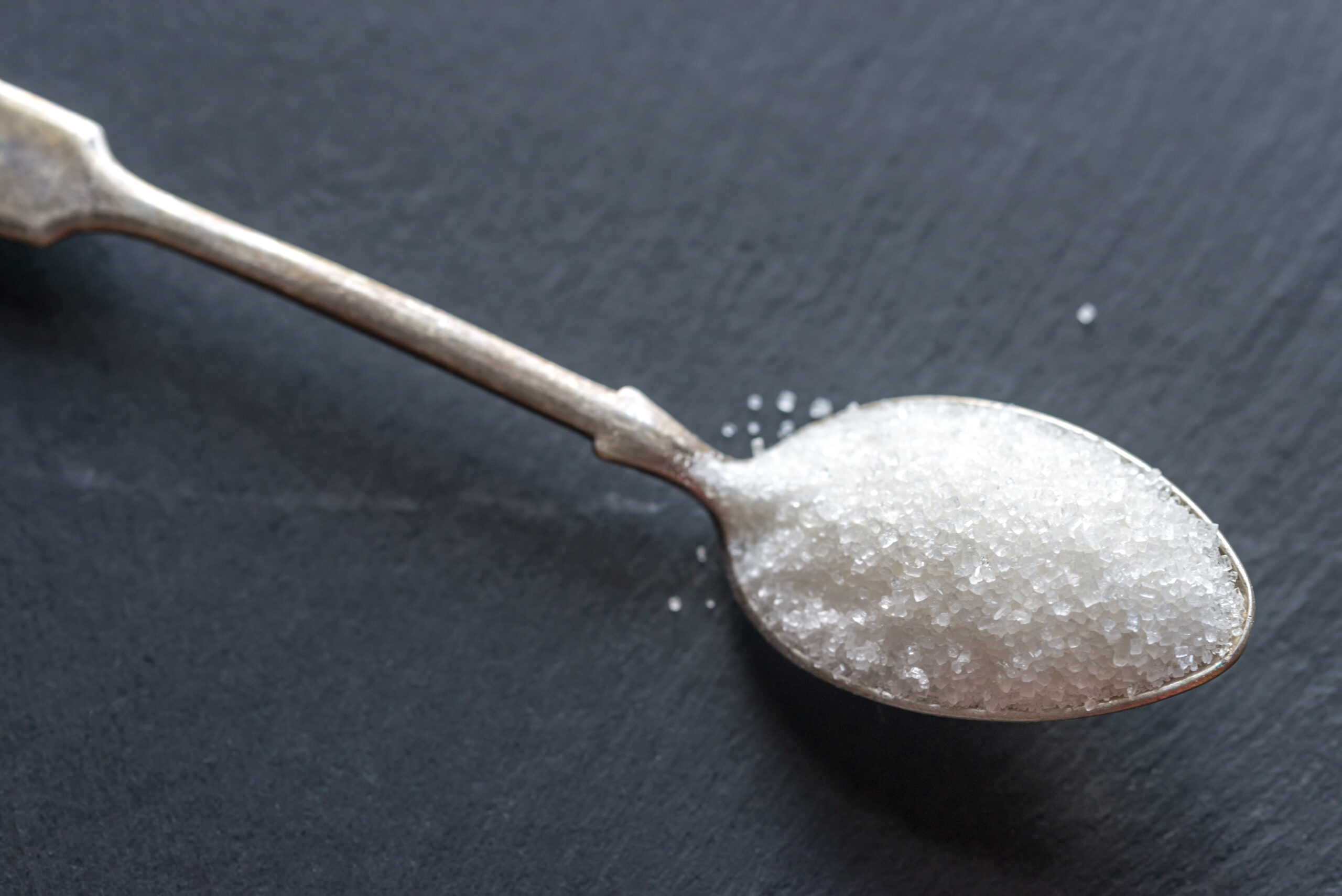
Salt is essential for life — it makes food taste better, helps preserve it, and keeps our bodies functioning. But when it comes to how much salt we should eat, more is not better.
The World Health Organisation (WHO) and major global health bodies agree: more than 5 grams of salt (about 1 teaspoon) per day is too much. And yet, most of us are eating nearly double that, putting our hearts, brains, and kidneys at serious risk.
So, how much salt is just right? Can too little salt also be harmful? Let’s explore the science and find out.
⚖️ What Do Health Guidelines Say About Salt Intake?
- WHO Recommendation: Less than 5 grams of salt (2 grams of sodium) per day for adults.
- American Heart Association (AHA): Even stricter — 1,500 mg of sodium daily, especially for people with high blood pressure.
But the reality?
- Global average salt intake: 9–12 grams per day.
- India’s average: ~10.9 grams/day (India Hypertension Management Initiative).
- China: 11–12 grams/day.
- USA: ~3,400 mg sodium/day (~8.5 grams salt).
These numbers are way above the safe limit, highlighting a global salt crisis.
🧂 What Are the Risks of Too Much Salt?
A high-salt diet is a silent killer. It contributes to:
- High blood pressure (hypertension)
- Heart attacks and strokes
- Kidney damage
- Stomach cancer
- Calcium loss and osteoporosis
A 2021 New England Journal of Medicine study showed that cutting sodium intake by just 1 gram/day could prevent 9 million cardiovascular deaths globally by 2030.
❗ Can Too Little Salt Also Be Dangerous?
Yes, researchers have found that very low sodium intake can also increase health risks, especially in people with existing heart conditions.
A major 2016 study in The Lancet revealed a U-shaped curve:
- Too much salt = harmful
- Too little salt = also harmful
👉 The optimal range? Around 3–5 grams of salt per day (1.2–2 grams of sodium), especially for healthy people.
So, instead of extreme restriction, experts now advise moderation and balance.
🍛 Where Is Salt Hiding in the Indian Diet?
Unlike the West, where salt mainly comes from packaged foods, in India, 75% of salt intake comes from home-cooked meals. That’s why even a healthy-looking meal can pack too much salt.
Common hidden salt sources in India:
- Pickles, chutneys, papads
- Ready-to-eat snacks
- Breads, biscuits
- Restaurant food
- Salted butter, cheese
- Excess salt in dal, sabzi, and rice
So, it’s important to measure salt while cooking and use alternatives like lemon, herbs, and spices for flavor.
📊 Global and Indian Data on Deaths Due to High Salt Intake
According to the Global Burden of Disease (GBD) study (2019):
- 1.89 million deaths globally were caused by high sodium intake.
- Main causes: Stroke, ischaemic heart disease, hypertensive heart disease.
- High salt intake is ranked as the 7th leading dietary risk factor worldwide.
- Over 45 million years of healthy life lost (DALYs).
In India:
- More than 150,000 deaths per year are linked to excess salt intake.
- A 2021 report by Resolve to Save Lives estimates that cutting salt intake by 30% in India could save 400,000 lives by 2030.
✅ Tips to Stay Within the Safe Salt Limit
Here’s how to stay under the recommended 5 grams (1 tsp) of salt per day:
- Measure the salt you add while cooking
- Use less processed food
- Choose low-sodium options
- Be cautious with sauces and chutneys
- Add flavor with lemon, herbs, and spices
🌈 Is Pink Salt or Rock Salt Healthier?
Many believe Himalayan pink salt, rock salt, or black salt are healthier alternatives. But in truth, all types of salt have similar sodium content. While they may contain trace minerals, the amount is not enough to offer any major health benefits if overconsumed.
So, whatever salt you use, the key is quantity, not type.
⚠️ Bottom Line: Balance is Everything
Salt is necessary for good health, but most people eat too much, often without realizing it.
The best approach?
- Stick to under 5 grams of salt a day
- Reduce hidden sources of sodium
- Follow your doctor’s advice if you have hypertension or kidney disease
👨⚕️ Doctors, Stay Updated with the Latest Health Guidelines
At The Doctorpreneur Academy, we believe empowered doctors create healthier communities. Stay updated on such important public health issues, new research, and patient education tools through our community of forward-thinking doctors and digital health experts.
Let’s help patients make informed choices — starting with something as simple as salt awareness.
🔗 Visit The Doctorpreneur Academy to access more insightful blogs, medical content, and digital healthcare resources.
👉 To register for our next masterclass, please click here https://linktr.ee/docpreneur