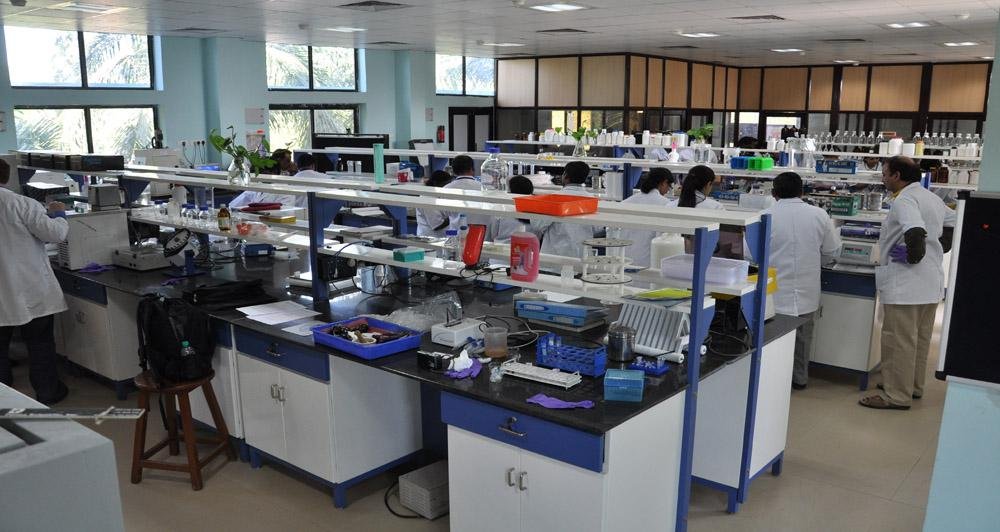
The Indian Council of Medical Research (ICMR) is upgrading its existing field station at Keylong in Himachal Pradesh’s Lahaul and Spiti district into a dedicated Centre for High Altitude Medicine and Public Health Research. The new facility will be India’s first multidisciplinary research centre focused exclusively on healthcare challenges in high altitude and climate sensitive regions.
The initiative represents a significant step toward improving healthcare for Himalayan communities while strengthening India’s research capabilities in mountain medicine, environmental health, and disaster preparedness.
Addressing Unique Health Challenges in the Himalayas
People living in high altitude regions face a range of health challenges that differ significantly from those in low altitude areas. Reduced oxygen levels, extreme weather conditions, rugged terrain, and limited healthcare access can affect both disease patterns and treatment outcomes.
The upgraded centre will generate scientific evidence and practical healthcare solutions tailored to these unique conditions, helping improve healthcare delivery in remote mountain communities.
A Wide Research Focus
The centre will conduct multidisciplinary research across several important healthcare areas, including:
- High altitude physiology and acclimatisation
- Mountain medicine
- Climate sensitive and emerging diseases
- Infectious and non communicable diseases
- Maternal and child health
- Nutrition
- Mental health
- Environmental and occupational health
- Disaster medicine
By studying these areas together, researchers aim to develop evidence based strategies that improve health outcomes for populations living in challenging environments.
Technology to Improve Remote Healthcare
A key feature of the new research centre is its emphasis on digital health technologies.
The facility will integrate:
- Telemedicine platforms
- Drone enabled delivery of medicines and medical supplies
- Real time public health surveillance
- Digital healthcare systems
These technologies are expected to improve healthcare accessibility in remote Himalayan villages where geographical barriers often delay medical care.
Supporting Tribal and Border Communities
Keylong’s strategic location provides year round access to tribal populations and communities living in India’s border regions.
This will enable researchers to conduct long term population studies and better understand how altitude, climate, nutrition, and environmental conditions influence health. The findings are expected to support national programmes related to tribal health, disaster preparedness, and climate resilient healthcare.
Building Strong Research Collaborations
The centre will work closely with several leading institutions, including:
- Armed Forces Medical Services (AFMS)
- Defence Research and Development Organisation (DRDO)
- Government of Himachal Pradesh
- National and international academic institutions
These collaborations will promote translational research that can directly influence clinical practice, healthcare policy, and emergency response planning.
Strengthening Climate Resilient Healthcare
Climate change is increasingly affecting disease patterns in mountainous regions through changing temperatures, altered ecosystems, and emerging infectious diseases.
The new centre will study how environmental changes impact public health and develop strategies that help healthcare systems adapt to these evolving challenges. Its research is expected to contribute to both national healthcare planning and global understanding of high altitude medicine.
Benefits for India’s Healthcare System
The upgraded research facility is expected to deliver several long term benefits:
- Better understanding of altitude related illnesses
- Improved healthcare for remote Himalayan communities
- Faster adoption of digital health technologies
- Stronger disaster preparedness
- Enhanced research on climate sensitive diseases
- Evidence based healthcare policies for mountain regions
The centre will also strengthen India’s capacity for indigenous biomedical research while supporting innovation in remote healthcare delivery.
Looking Ahead
The Centre for High Altitude Medicine and Public Health Research represents an important investment in India’s future healthcare infrastructure.
As research expands, the facility is expected to generate valuable scientific insights that improve medical care for people living in high altitude environments while advancing knowledge in mountain medicine, public health, and climate resilience. The findings could also contribute to global research on altitude related health conditions and remote healthcare delivery.