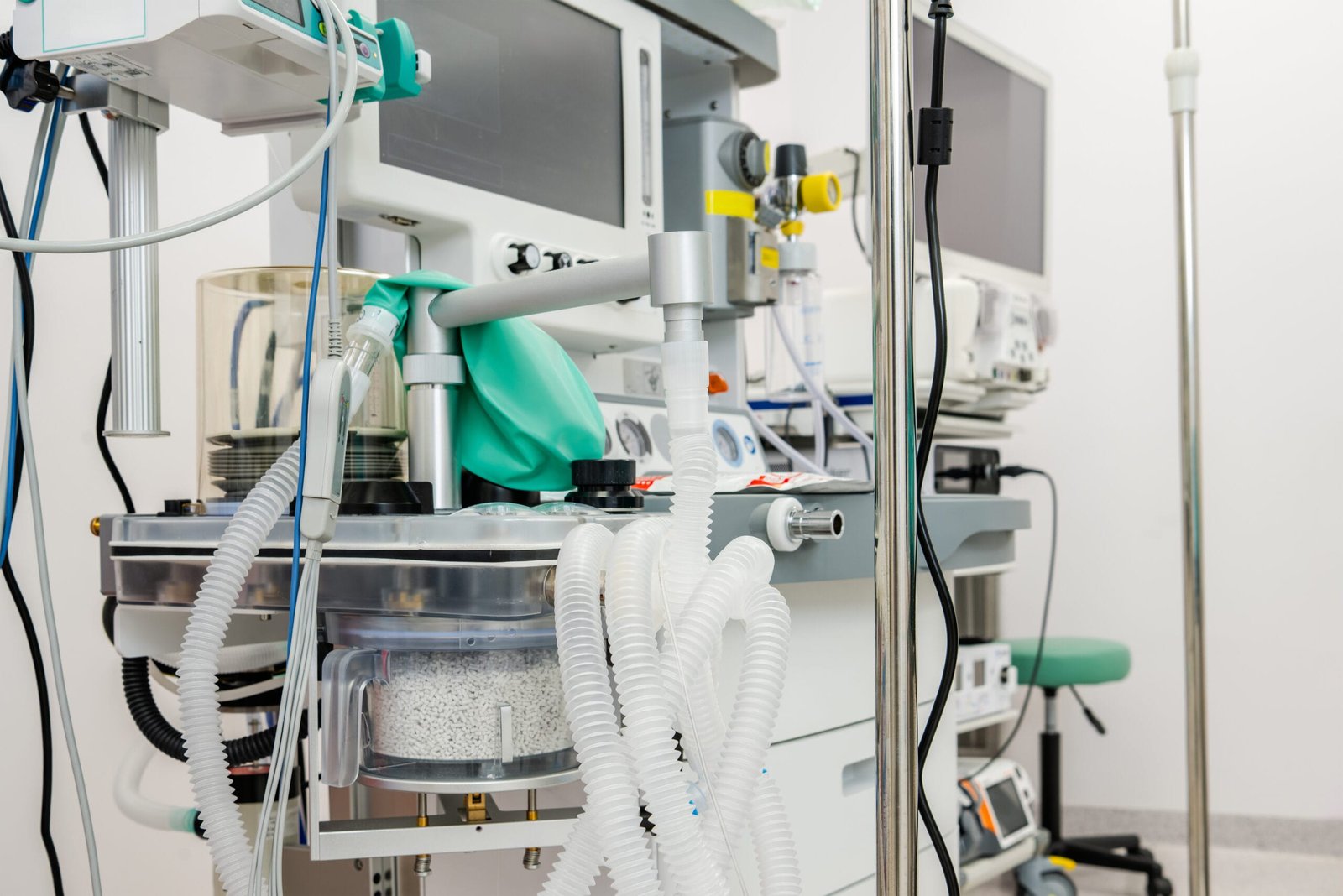
The Government of India has recently clarified the tax structure on imported vs. Indian-made medical devices, following concerns raised in the Rajya Sabha. Many doctors and healthcare providers were worried that Indian-made devices were being taxed more heavily than imports, but the clarification highlights key differences.
Key Points from the Government’s Clarification
- Imported Medical Devices
- Customs duty: 7.5–10%
- Plus 5% health cess on top
- Domestic (Indian-Made) Medical Devices
- Taxed under GST, not customs duty
- 12% GST on most instruments and medical equipment
- 5% GST on orthopedic appliances, implants, and artificial body parts
- 0% GST (fully exempt) on hearing aids
- Exemptions for Both Imported & Domestic Devices
- Devices like wheelchairs, crutches, artificial limbs, coronary stents, and endovascular stents are exempt from both customs duty and health cess
- Why This Matters
- The government clarified that GST and customs duty are different tax systems, and cannot be compared directly. This clears the confusion that Indian-made devices are taxed more than imported ones.
What Does This Mean for Doctors in India?
- Lower Costs on Essential Devices
Exemptions on critical items like stents, implants, and wheelchairs reduce the financial burden for both doctors and patients. - Encouragement for Indian Manufacturers
With clear GST guidelines, Indian manufacturers have a fair ground to compete with global companies. This could make Made in India medical devices more widely available. - Impact on Hospital Procurement
Hospitals may reconsider procurement strategies—favoring Indian devices where tax benefits and exemptions apply, without compromising on quality. - Future Trend
The push toward self-reliance in medical technology suggests a growing trend of domestic device adoption. Doctors may see increasing availability of cost-effective Indian alternatives.
Learnings for Doctors in India
- Stay Informed: Tax policies directly affect the cost of medical practice and patient care.
- Balance Quality & Affordability: While Indian devices may be cost-effective, doctors must weigh long-term clinical outcomes.
- Adapt Procurement Strategies: Smart purchasing decisions can reduce costs for hospitals and patients alike.
Inside The Doctorpreneur Academy
At The Doctorpreneur Academy, where 20,000+ doctors regularly discuss industry changes.
- Exploring procurement strategies that balance quality and cost.
- Learning business models in healthcare to stay profitable without compromising patient care.
- Networking with other doctors to share insights on adopting Indian-made devices.
If you are a doctor in India, this is the time to prepare for the future of medical practice.
👉Join The Doctorpreneur Academy today and learn how to adapt to healthcare changes with confidence.
👉To register for our next masterclass, please click here: https://linktr.ee/docpreneur