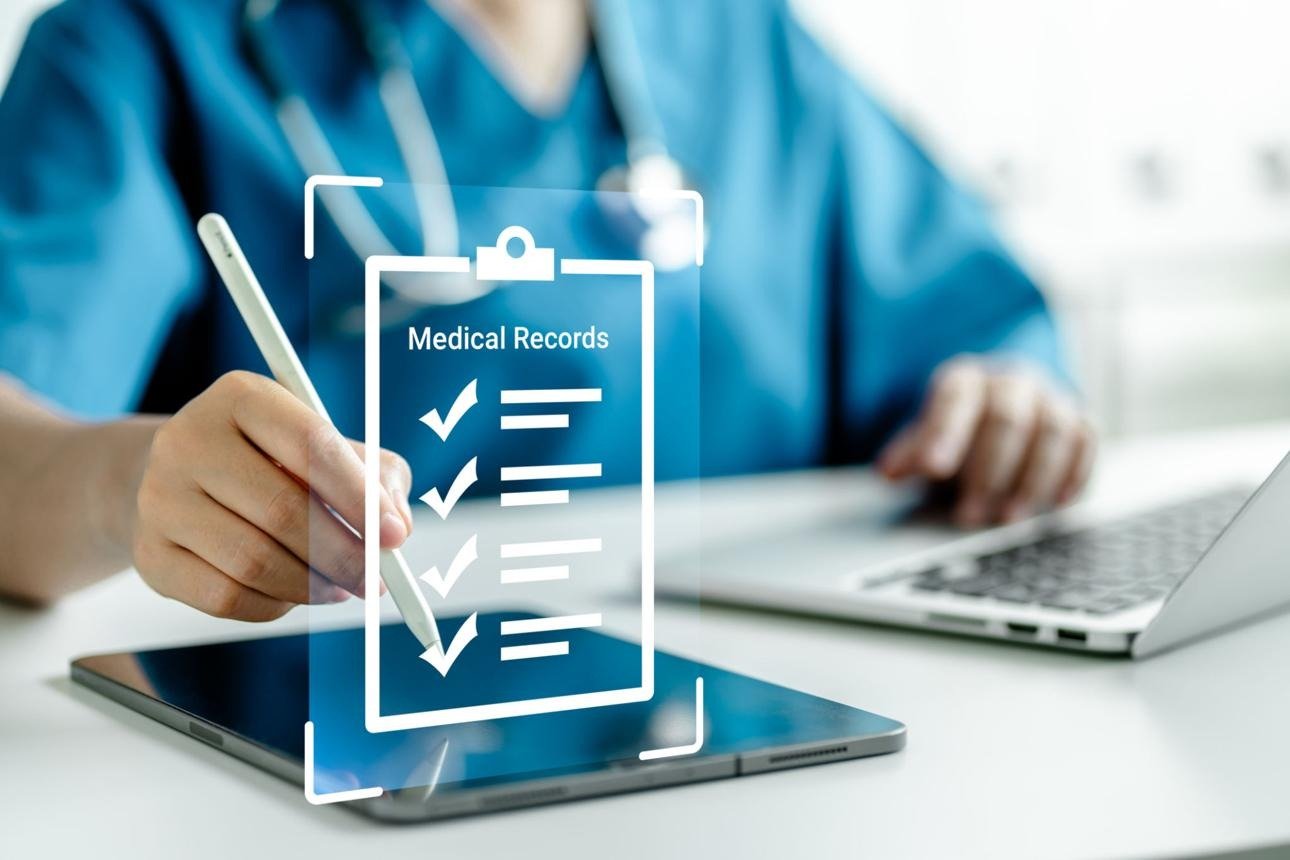
Healthcare systems around the world are under increasing pressure to become more efficient, more connected, and more patient-centered. In that context, the Ontario government’s proposal for a new integrated electronic medical record (EMR) system represents a significant move toward modernizing healthcare delivery and improving how patient information is accessed and shared across the system.
Why This Proposal Matters
One of the biggest challenges in healthcare today is the fragmentation of patient information. In many systems, medical records are spread across hospitals, clinics, specialists, pharmacies, and diagnostic centers. This can create delays, duplication, and unnecessary complexity for both patients and providers.
Ontario’s proposed integrated EMR system aims to address that challenge by creating a more unified digital framework. The goal is to give patients and healthcare providers a more complete and accessible view of critical health information, including medical history, medications, allergies, vaccinations, and test results.
This is not just a technical upgrade. It is a structural shift that could improve how care is coordinated across the healthcare journey.
The Promise of a More Connected Care Experience
A well-designed integrated EMR system has the potential to transform both patient and provider experiences.
For patients, it can mean:
- Better continuity of care
- Fewer repeated tests or repeated explanations
- Faster access to the right care
- Improved visibility into their own health information
For healthcare professionals, it can mean:
- More efficient clinical decision-making
- Easier access to complete patient histories
- Reduced administrative friction
- Better collaboration across care teams
In a healthcare environment where time, accuracy, and coordination directly affect outcomes, a connected records system can play a meaningful role in improving both safety and efficiency.
A Shift Toward Patient-Centered Digital Health
One of the strongest aspects of the proposed system is its patient-centered potential. Modern healthcare is increasingly moving away from siloed care models and toward integrated, data-supported care pathways.
When patients are able to access a clearer picture of their own health data, they become better equipped to participate in treatment decisions, follow care plans, and navigate the healthcare system with greater confidence.
At the same time, clinicians benefit from having more relevant information available when and where they need it. In urgent or complex situations, that visibility can make a real difference.
The Challenges Behind the Opportunity
While the proposal is promising, implementing an integrated EMR system at scale is not simple.
Large-scale healthcare digitization brings important considerations, including:
1. Interoperability
Different hospitals, clinics, and systems often use different software platforms. Ensuring that these systems can communicate effectively is one of the biggest technical hurdles.
2. Privacy and Data Security
Health data is among the most sensitive personal information. Any integrated system must be supported by strong privacy protections, cybersecurity safeguards, and transparent governance.
3. Clinical Workflow Integration
Technology only works well when it fits naturally into the day-to-day reality of care delivery. If systems are difficult to use or add more burden, adoption may suffer.
4. Trust and Accountability
Patients and physicians alike need confidence that digital systems are accurate, secure, and designed to improve care rather than complicate it.
These factors will play a major role in determining whether the initiative succeeds in practice.
What This Could Mean for the Future of Healthcare
Ontario’s proposal reflects a broader reality: the future of healthcare depends not only on clinical excellence but also on digital infrastructure that supports timely, coordinated, and informed care.
An integrated EMR system has the potential to become the backbone of a more connected healthcare model, one where information flows more efficiently, decisions are better informed, and patients are not left navigating disconnected systems on their own.
If implemented thoughtfully, this initiative could serve as an important example of how healthcare systems can modernize while keeping both patient care and clinical usability at the center.
Conclusion
Ontario’s proposed integrated electronic medical record system is more than a digital reform initiative. It represents a larger vision for connected, efficient, and patient-focused healthcare.
The real success of such a system will depend not only on the technology itself but also on how well it supports the people who rely on it every day: patients, physicians, and care teams.
In a healthcare system where information is often fragmented, building a more unified and accessible record system could be a meaningful step toward better outcomes and better experiences for all.