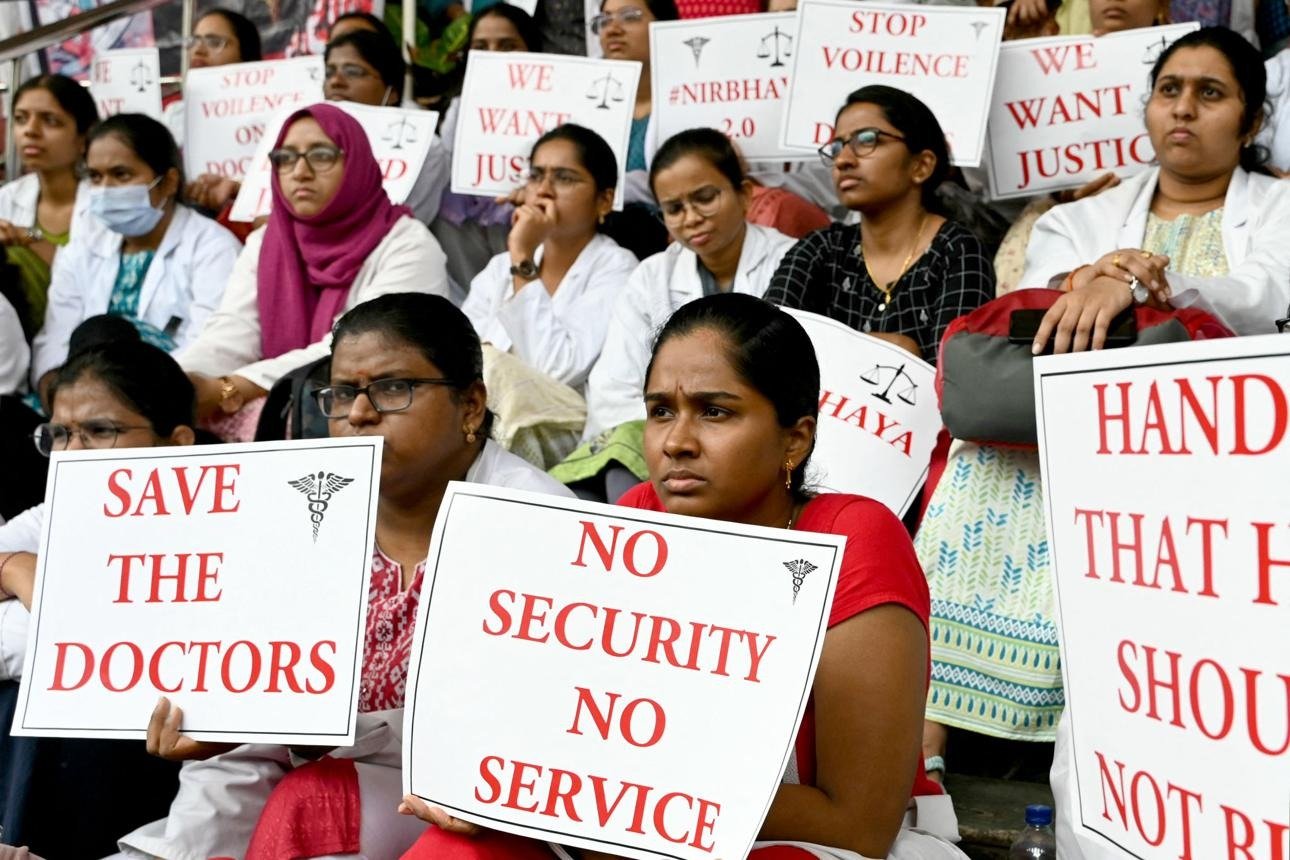
Kerala’s healthcare system has long been recognized for its strong medical infrastructure and skilled healthcare professionals. However, recent findings released by the Kerala branch of the Indian Medical Association (IMA) have highlighted growing dissatisfaction among doctors regarding low salaries, excessive workloads, delayed stipends, and difficult working conditions. (timesofindia.indiatimes.com)
The issue has triggered renewed discussions about doctor welfare, healthcare sustainability, and the future of Kerala’s medical workforce.
IMA Calls for Minimum ₹80,000 Monthly Salary
The Kerala chapter of the IMA has formally demanded a minimum monthly salary of ₹80,000 for doctors, especially junior doctors entering the profession. The demand follows a large-scale survey conducted among more than 4,000 medical professionals across the state. (timesofindia.indiatimes.com)
According to the association:
- Many young doctors in the private sector earn only ₹20,000–₹30,000 per month
- Nearly 45% of surveyed doctors earn below ₹50,000 monthly
- Around 82% reported dissatisfaction with their current wages (newindianexpress.com)
The association argues that current salary structures do not reflect the years of education, workload, and responsibilities doctors handle daily.
Growing Concern Among Junior Doctors
The survey revealed significant concerns among junior doctors and resident medical professionals.
Several respondents highlighted issues such as:
- Long working hours
- Bonded service obligations
- Lack of fair compensation
- Delayed stipend disbursals
According to IMA findings, nearly 81% of junior doctors reported working under compulsory bond service conditions. (timesofindia.indiatimes.com)
The association also recently criticized repeated delays in stipend payments for resident doctors in government medical colleges, calling the issue “unacceptable.” (timesofindia.indiatimes.com)
Heavy Workload Affecting Healthcare Quality
Another major issue raised by doctors is excessive workload in government hospitals.
IMA officials stated that the current staff structure in many public hospitals is based on systems introduced decades ago and no longer reflects today’s healthcare demands. (timesofindia.indiatimes.com)
Doctors in some government facilities reportedly see:
- Around 200–400 patients per day
Healthcare professionals warn that such workloads can impact:
- Quality of patient care
- Doctor well-being
- Clinical efficiency and safety
The IMA has called for updated staffing patterns and stronger healthcare workforce planning.
Migration Concerns and Brain Drain
One of the most alarming findings from the survey is the growing number of doctors considering leaving Kerala or India altogether.
According to the survey:
- Nearly 59% of doctors expressed interest in moving abroad
- Others indicated preference for relocating to different Indian states offering better pay and working conditions (timesofindia.indiatimes.com)
The IMA warned that continued dissatisfaction could accelerate the “brain drain” of skilled healthcare professionals from Kerala.
Healthcare experts believe this could create long-term challenges for the state’s healthcare system, especially in specialty care and rural healthcare delivery.
Demand for Better Workplace Protection
Beyond salaries, doctors are also seeking:
- Safer work environments
- Transparent employment contracts
- Overtime compensation
- Better mental health support
- Improved work-life balance (newindianexpress.com)
Medical professionals argue that improving workplace conditions is essential not only for doctors but also for maintaining high-quality patient care standards.
Private Sector Salary Gap Under Scrutiny
The survey highlighted a sharp difference between salaries offered through different recruitment systems.
For example:
- Doctors recruited through the Public Service Commission reportedly earn around ₹60,000–₹70,000 monthly
- Many doctors hired under contractual or National Health Mission positions receive significantly lower salaries (timesofindia.indiatimes.com)
The IMA is urging both the government and private healthcare institutions to establish more standardized and fair compensation structures.
Impact on Kerala’s Healthcare System
Kerala has traditionally been known for strong healthcare outcomes and a highly trained medical workforce. However, experts warn that prolonged dissatisfaction among doctors could lead to:
- Workforce shortages
- Reduced morale among healthcare professionals
- Increased migration of skilled doctors
- Greater pressure on existing healthcare infrastructure
Ensuring doctor welfare is increasingly being viewed as essential for sustaining healthcare quality in the state.
Need for Structural Healthcare Reforms
The current debate highlights broader issues within India’s healthcare workforce management. Experts suggest that long-term solutions may require:
- Revision of staffing models
- Fair salary frameworks
- Timely stipend payments
- Better doctor-patient ratios
- Improved public healthcare investment
Without systemic reforms, healthcare systems may struggle to retain skilled professionals in the future.
Conclusion
The demand by Kerala doctors for better salaries and improved working conditions reflects growing challenges within the healthcare sector. The IMA’s call for a minimum ₹80,000 monthly wage is not just about compensation it also raises important questions about doctor welfare, healthcare sustainability, and workforce retention. (timesofindia.indiatimes.com)
As healthcare demands continue to rise across India, addressing the concerns of medical professionals will be critical to ensuring both high-quality patient care and a stable healthcare workforce for the future.