
Major Healthcare Developments This Week – #58
1. Water Contamination Incident Sickens Hundreds Across Three Indian States, Government Launches Urgent Investigation
Hundreds of people reportedly fell ill after consuming contaminated drinking water in three Indian states. Health authorities launched investigations and deployed medical teams to control the situation. Officials are monitoring symptoms and ensuring safe water supply while testing samples to identify contamination sources and prevent further outbreaks.

2. Telemedicine And Care Economy Emerging As Major Future Employment Drivers In Global Healthcare Systems
Healthcare leaders highlight that telemedicine and the growing care economy will create millions of new jobs worldwide. Digital consultations, remote monitoring, and elderly care services are expanding rapidly. Experts say these trends will strengthen healthcare access and workforce opportunities while supporting technology-driven medical services. .

3. India’s Mental Health Market Expected To Reach $27 Billion Amid Rising Awareness And Demand
India’s mental health sector is projected to grow significantly over the next decade due to increasing awareness, urban stress, and improved access to therapy services. Analysts estimate the market could reach about $27 billion, reflecting expanding demand for psychological support, counseling services, and digital mental health platforms.

4. Artificial Intelligence Tools Transforming Disease Diagnosis, Screening, And Hospital Workflow Across Healthcare Systems
Artificial intelligence is increasingly used to assist doctors in diagnosing diseases, analyzing medical images, and managing hospital workflows. AI tools can process large medical datasets faster and help detect health risks earlier. Experts believe these technologies will improve efficiency and support clinical decision-making in modern healthcare.

5. India Expanding Healthcare Infrastructure With Technology-Driven Services And Strong Government Investment Support Programs
India is strengthening its healthcare ecosystem through increased government investment, infrastructure expansion, and technology adoption. The national health budget has crossed ₹1 lakh crore, supporting new medical hubs, digital health systems, and improved access to treatment across the country. These measures aim to boost healthcare quality and innovation.

Subject in Focus
10 Practical Strategies to Improve Patient Trust in Clinical Practice

Trust is the foundation of every successful doctor, patient relationship.
Patients may forget medical terms, but they always remember how a doctor treated them.
Clear communication, empathy, and professionalism can significantly improve patient satisfaction and long-term loyalty.
Here are 10 practical ways doctors can strengthen patient trust in daily clinical practice. 👇
1. Listen carefully – Allow patients to explain their symptoms without interrupting.
2. Use simple language – Explain diseases and treatments in easy, understandable words.
3. Maintain eye contact – Looking at patients builds connection and reassurance.
4. Show empathy – Acknowledge patient fears and concerns with compassion.
5. Be transparent about treatments – Discuss options, benefits, and risks honestly.
6. Encourage patient questions – Invite patients to ask doubts during consultation.
7. Respect privacy – Protect patient information and maintain confidentiality.
8. Reduce waiting time – Efficient scheduling improves patient satisfaction.
9. Follow up after treatment – A quick follow-up message or call shows care.
10. Maintain professional behavior – Polite communication and organized clinics build long-term trust.
💡 Remember: A well-managed online profile doesn’t just bring more patients—it builds long-term trust and reputation.
👉 Doctors, when was the last time you updated your online profile?
The Doctorpreneur Academy:
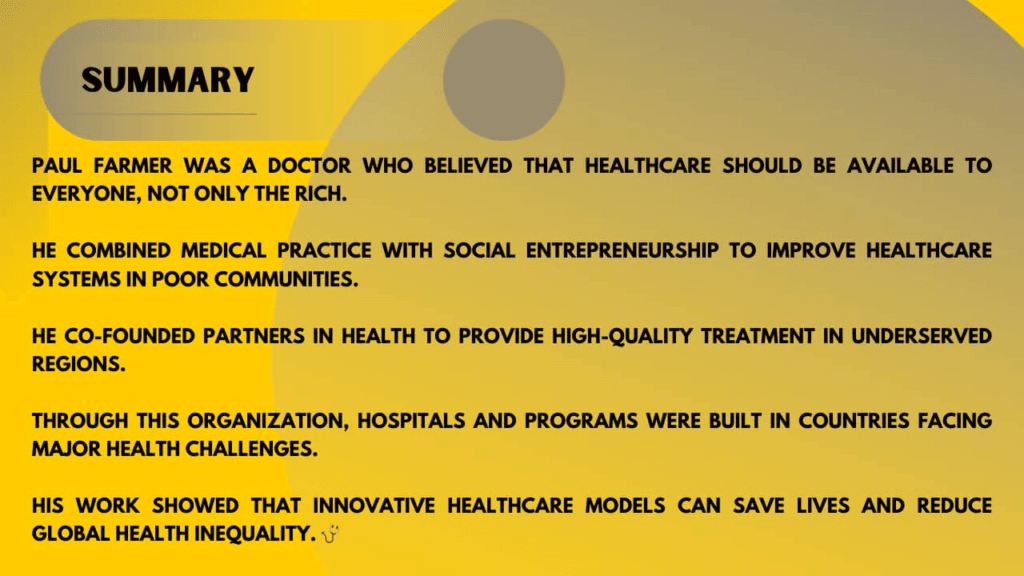
Quote from Legends in medicine and entrepreneurship


Brief:
The Lean Startup by Eric Ries is a powerful guide for entrepreneurs who want to build successful businesses in uncertain environments. Instead of spending years perfecting a product before launching, Ries suggests a smarter approach. Start small, test quickly, and learn continuously. The book explains that many startups fail not because the idea is bad, but because they create products that customers do not actually need.
The core idea of the book is the Build Measure Learn cycle. Entrepreneurs should create a Minimum Viable Product (MVP), which is the simplest version of a product that can test a main idea. By launching early and gathering real customer feedback, businesses can quickly understand what works and what does not. This process helps reduce wasted time, money, and effort while improving products based on real user needs.
Ries also highlights the concept of validated learning. Instead of relying only on assumptions or long business plans, startups should use real experiments and measurable results to guide decisions. If the results show that the current direction is not working, businesses should pivot, meaning they adjust their strategy while keeping the main vision of the company.
Key Takeaways
- Build quickly and launch early using a Minimum Viable Product (MVP).
- Use the Build–Measure–Learn cycle to test ideas and improve products.
- Successful startups rely on data-driven decisions and continuous experimentation, not assumptions.
Doctor’s Perspective
For doctors running clinics, hospitals, or healthcare startups, the ideas in The Lean Startup are very relevant. Healthcare professionals often introduce new services, technologies, or patient programs without first testing whether patients truly need them.
Using a lean approach allows doctors to start small. For example, they can test a teleconsultation service, digital patient education program, or a new clinic workflow on a small scale before expanding it. By observing patient response and feedback, doctors can improve the service step by step.
The key message for healthcare professionals is simple. Innovation in healthcare should be tested, measured, and improved continuously. When doctors combine medical expertise with thoughtful experimentation, they can build healthcare systems that are efficient, patient centered, and sustainable. 🩺📈
Doctorpreneur Power Capsules
Building a Strong Personal Brand as a Doctor

- Patients choose familiar doctors
A strong personal brand makes you recognizable and easier for patients to trust. - Builds long-term trust
Consistent communication and professional presence increase credibility. - Educates patients
Sharing health information positions you as a reliable medical guide. - Helps your clinic stand out
Your unique approach to care becomes clear in a competitive market. - Opens professional opportunities
Strong reputation leads to invitations for conferences, collaborations, and media. - Boosts clinic reputation
A trusted doctor strengthens the credibility of the entire clinic. - Encourages patient loyalty
Satisfied patients return for follow-ups and recommend you to others. - Supports digital healthcare
Trust helps patients feel comfortable with teleconsultations and online care. - Creates leadership opportunities
Recognized doctors often influence healthcare awareness and discussions. - Builds a lasting legacy
Your expertise can impact more people through education and mentorship.
💡 Final Thought:
Personal branding for doctors isn’t about promotion — it’s about consistently showing expertise, integrity, and care.
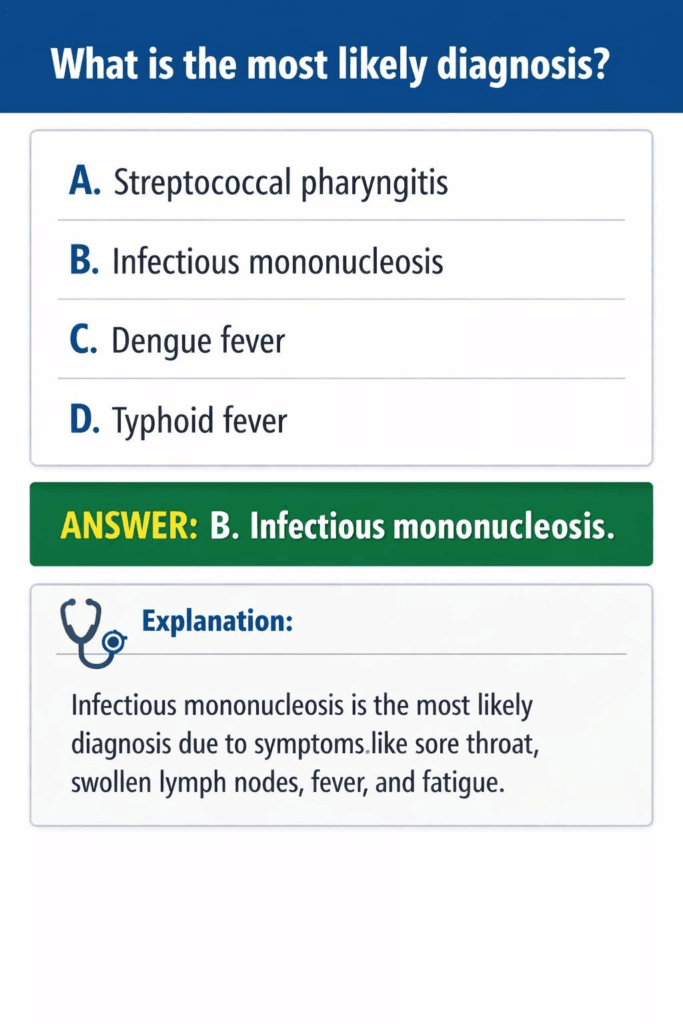
Here’s your trivia for the week:
🚀 Our Content For This Week
1. Part 1 | How Doctors Can Run Google & Facebook Ads
Here Is The Link: https://youtu.be/pRjvJeK8fRQ
2. The Story of Anurag – A Brilliant Mind Lost Too Soon | A Medical Student’s Reality
Here is the Link – https://youtu.be/C5e_q16hAdQ
3. The cooling role of the umbilical cord ❄️🍼
Here is the Link – https://youtu.be/ObF2EKMcyjU
4. Deadly Cough Syrups in India? What Every Parent Must Know ⚕️😔
Here is the Link – https://youtu.be/SdV0Gko0pv4
5. How ChatGPT Is Helping Doctors To Grow Faster Than Ever | Real Testimonial of Dr. Sanjay Maheswari)
Here is the link: https://youtu.be/I6K0xqAR6mk
Newsletter link – https://thedoctorpreneuracademy.kit.com/posts/major-healthcare-developments-this-week-58