WHO Pushes for Faster TB Detection and Stronger Prevention
Tuberculosis remains one of the biggest infectious disease challenges facing South Asia. Although TB is both preventable and curable, millions of people continue to develop the disease every year, while many cases are still detected too late.
The WHO South East Asia Region has now committed to stronger and more integrated action to close critical gaps in the fight against tuberculosis. The renewed strategy places particular emphasis on earlier diagnosis, wider access to prevention and treatment, financial protection for families and preparedness for new TB vaccines.
The focus is shifting from simply treating diagnosed patients to finding people with TB earlier and reaching those who remain outside conventional healthcare systems.
South East Asia Carries a Major Share of the Global TB Burden
The scale of the challenge is significant.
The WHO South East Asia Region is home to almost one quarter of the world’s population but accounted for approximately 34% of new TB cases globally in 2024, representing an estimated 3.68 million cases.
Around 433,000 people died from TB, while approximately 150,000 people developed multidrug resistant or rifampicin resistant TB. The region therefore carries more than 38% of the global burden of these drug resistant forms of the disease.
These figures explain why accelerating TB control in South Asia is critical to achieving global TB elimination goals.
Earlier Diagnosis Becomes a Central Priority
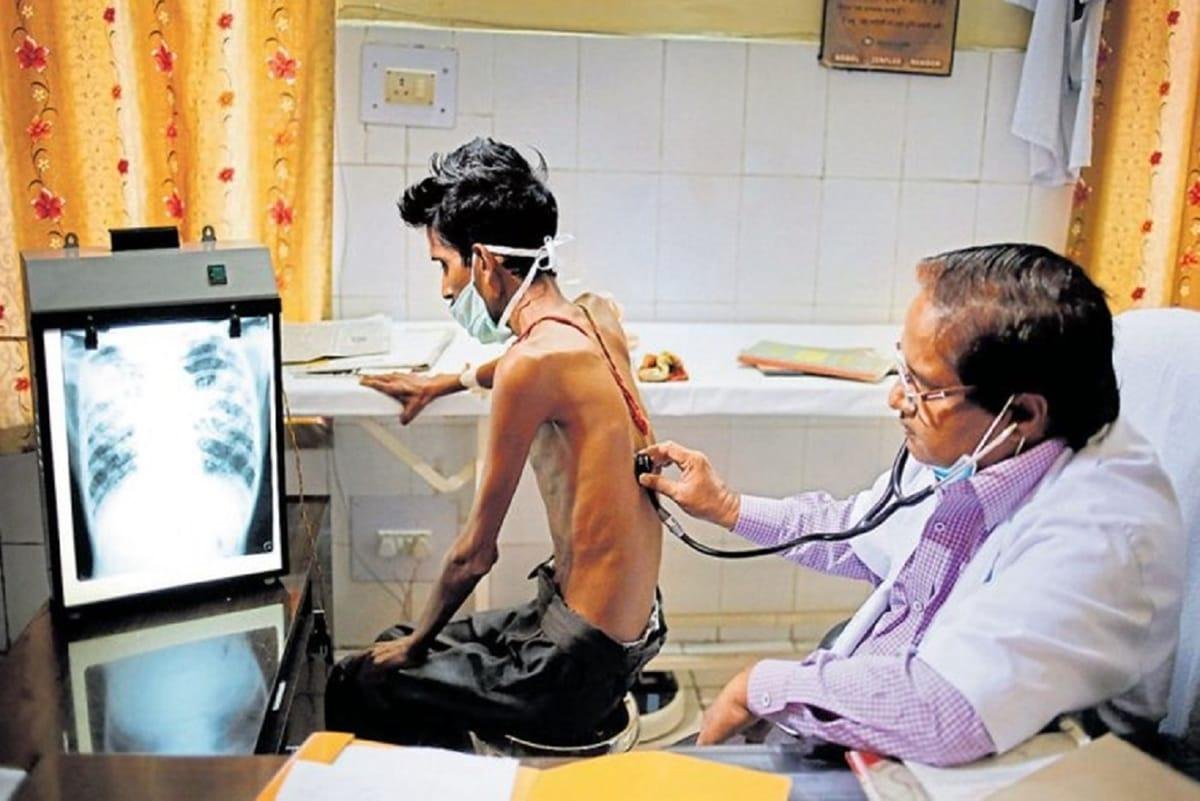
One of the biggest changes in the renewed approach is the stronger emphasis on finding TB earlier.
Countries have committed to expanding systematic screening and active case finding among high risk and underserved populations. Routine healthcare services will also play a larger role in identifying people who may have TB.
The strategy also calls for wider use of WHO recommended rapid diagnostic technologies, including molecular diagnostics and digital tools where appropriate.
Earlier diagnosis can mean earlier treatment, reduced transmission and better outcomes for patients.
It can also help identify cases that might otherwise remain undiagnosed in communities for long periods.
Reaching People Who Are Often Missed
Traditional healthcare systems do not always reach everyone equally.
People living in remote areas, vulnerable communities and populations facing financial or geographical barriers may have difficulty accessing screening and diagnosis.
The new approach therefore places active case finding among high risk and underserved populations at the centre of the TB response.
This means healthcare systems need to look beyond patients who voluntarily arrive at hospitals and clinics.
Community screening, targeted testing and stronger primary healthcare networks can help identify disease earlier, particularly among people who may otherwise remain outside the healthcare system.
Rapid Diagnostics Could Transform TB Detection
Technology will play an increasingly important role in the new strategy.
Molecular diagnostics can detect TB and, in appropriate settings, provide information about drug resistance much faster than traditional diagnostic approaches.
Digital health technologies can also support screening, surveillance, follow up and targeted interventions.
The WHO is encouraging countries to combine these technologies with routine services rather than treating them as isolated programmes.
The goal is not simply to introduce more technology. It is to ensure that the right diagnostic tool reaches the right patient at the right time.
Drug Resistant TB Remains a Serious Challenge
Drug resistant TB continues to threaten progress.
Approximately 150,000 people in the South East Asia Region developed multidrug resistant or rifampicin resistant TB in 2024.
The renewed strategy therefore includes stronger access to quality treatment for drug resistant TB.
This requires reliable diagnostics, appropriate medicines, treatment adherence and patient support.
The challenge is especially important because delayed identification of drug resistant disease can allow continued transmission while also making treatment more complicated.
TB Care Must Become More People Centred
Ending TB is not only a medical challenge.
Patients can face stigma, discrimination, loss of income, transportation difficulties and other social barriers during treatment.
WHO member states have therefore committed to more people centred TB care, including nutritional support, community based support and measures to address the social and financial barriers that prevent people from accessing treatment.
This approach recognises that successful TB treatment depends not only on prescribing medicines but also on helping patients complete treatment safely and consistently.
TB Can Push Families Into Poverty
The economic burden of TB is another major concern.
According to WHO, approximately 44% of TB affected households in the region face catastrophic costs, with the figure rising above 80% among households affected by drug resistant TB.
This means that even when treatment is available, families can face substantial financial consequences from illness, travel, lost income and other costs.
The new strategy therefore places financial protection alongside diagnosis and treatment.
Ending TB requires protecting patients from the economic consequences of the disease as well as treating the infection itself.
Prevention Remains Essential
Finding and treating existing cases is only one part of the solution.
Countries have also committed to expanding TB preventive treatment for eligible household contacts and other people at increased risk.
Infection prevention and control measures will be strengthened, while major risk factors such as undernutrition, diabetes and tobacco use will receive greater attention.
This broader approach recognises that TB prevention needs to address both transmission and the conditions that increase vulnerability to disease.
Preparing for the Next Generation of TB Vaccines
Another important element of the strategy is preparation for future TB vaccines.
WHO modelling indicates that introducing a TB vaccine from 2028 alongside improvements in treatment, diagnostics, prevention and active case finding could potentially avert around 1.45 million new TB cases and 300,000 deaths by 2030 in the region.
This makes vaccine preparedness an important part of current health planning.
Countries will need systems capable of introducing new vaccines efficiently once they become available.
Progress Has Been Made, But It Is Not Enough
The region has already made measurable progress since 2015.
TB incidence has fallen by 16%, compared with a global decline of 12%. TB deaths have fallen by 23%, while treatment coverage has risen above 85%. Treatment success rates are also the highest among WHO regions.
Yet the region remains off track to achieve the End TB Strategy targets for 2030.
The targets call for an 80% reduction in TB incidence and a 90% reduction in TB deaths compared with 2015 levels.
The remaining gap is therefore not simply about developing new medical tools. It is about making existing tools available to more people, earlier and more equitably.
Financing Is a Major Barrier
The strategy also highlights a significant funding gap.
In 2024, approximately US$900 million was available for the regional TB response, compared with an estimated requirement of around US$3 billion.
This gap can directly affect the ability of countries to maintain screening programmes, diagnostics, treatment services, prevention initiatives and community support.
WHO is calling for stronger domestic resource mobilisation, more efficient use of existing funds, pooled procurement and greater regional collaboration.
The Future of TB Control Is Integrated
The new strategy moves TB control beyond a disease specific programme.
WHO is calling for stronger integration of TB services into primary healthcare and universal health coverage. Regional cooperation will also be strengthened through South South collaboration, cross border referral and continuity of care for mobile and migrant populations.
Communities, civil society organisations, people affected by TB and non state healthcare providers are also expected to play a greater role.
This integrated model recognises that TB cannot be eliminated by one organisation or one healthcare department alone.
The Bigger Goal: End TB by 2030
The renewed commitment from South East Asian countries comes at a critical point.
The region has made progress, but the remaining burden is still enormous. Earlier diagnosis, rapid testing, targeted prevention, accessible treatment and financial protection will all be necessary to accelerate progress.
Digital health and better use of local data can further help health authorities identify where interventions are most urgently needed.
The ultimate objective remains unchanged: reaching the End TB targets by 2030.