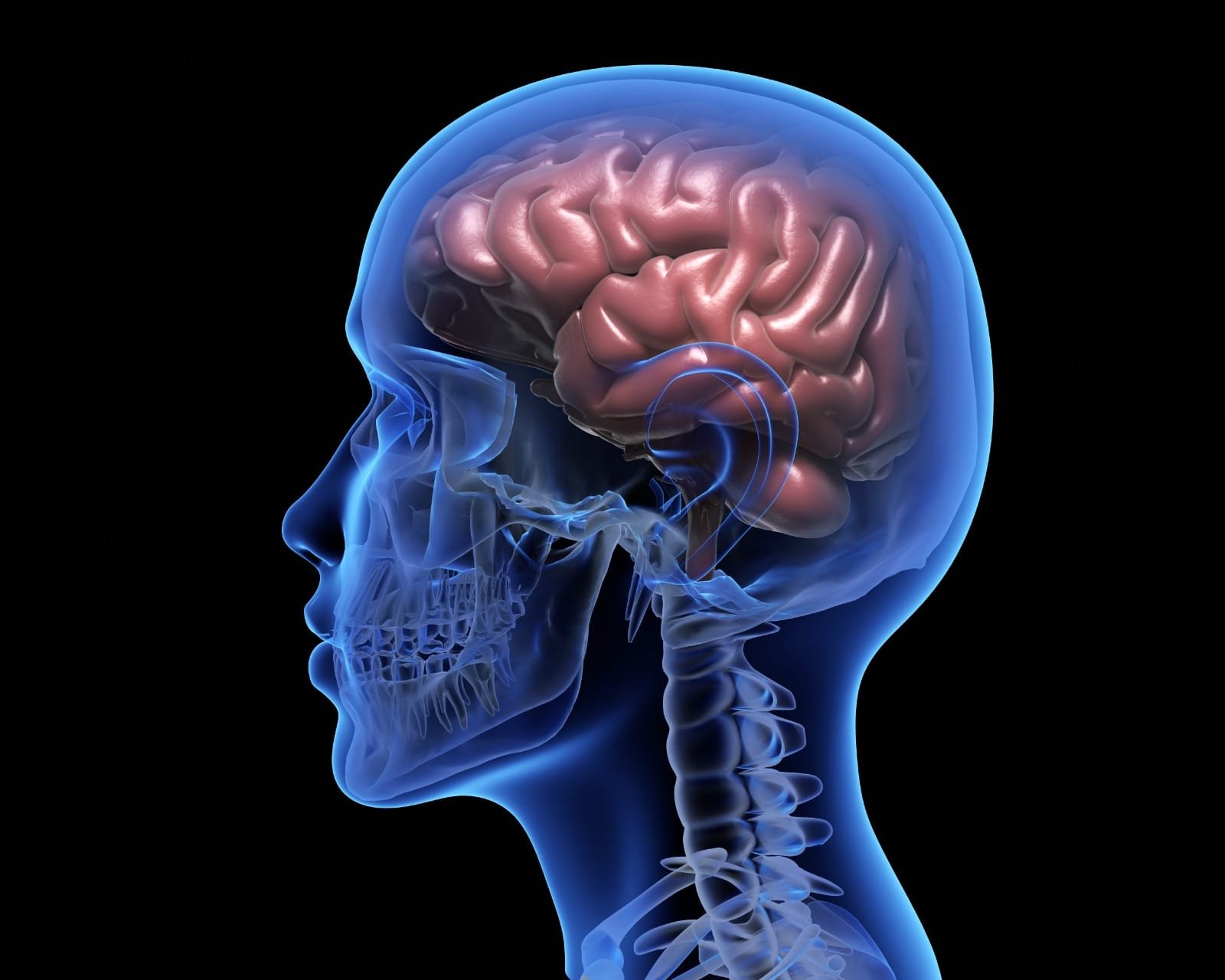
When most people think of a stroke, they imagine sudden paralysis, slurred speech, or intense pain. But the truth is, not all strokes come with dramatic warning signs. Some are “silent,” yet they quietly cause long-term brain damage and raise the risk of future, more severe strokes.
For doctors and patients alike, recognizing these less obvious signs can be lifesaving.
The Different Faces of Stroke
- Ischemic Stroke
- Accounts for nearly 85% of all strokes.
- Caused by a blood clot or blockage in an artery that supplies the brain.
- Hemorrhagic Stroke
- Results from bleeding in the brain due to a ruptured vessel.
- Less common but often more severe, with higher mortality rates.
- Silent Strokes
- Often go unnoticed at the time they occur.
- Show no obvious symptoms but leave behind visible brain damage on scans.
- Linked to memory loss, mood changes, and difficulty in decision-making.
- Research suggests that about 10% of adults with no stroke history may already carry signs of silent strokes.
Subtle Signs You Shouldn’t Ignore
Silent strokes may not come with pain, but they leave warning whispers in the body:
- Blurry vision or trouble focusing.
- Sudden unexplained fatigue or fainting spells.
- Confusion, memory lapses, or sluggish thinking.
- Unexpected mood swings or irritability.
For doctors, these “soft signs” should trigger immediate suspicion, especially in patients with risk factors like hypertension, diabetes, or smoking.
Why Early Detection is Critical
Multiple silent strokes build up damage over time, leading to:
- Increased risk of major strokes.
- Vascular dementia, a leading cause of cognitive decline.
- Reduced independence in older adults.
The good news? Timely intervention saves lives and brain function.
Treatment Pathways
- Ischemic Stroke:
- Clot-busting drugs (thrombolytics) work best if given within 4.5 hours.
- Mechanical thrombectomy (surgical clot removal) may be an option up to 24 hours post-stroke.
- Hemorrhagic Stroke:
- May need surgery to repair ruptured vessels or relieve pressure in the brain.
Both require urgent hospital care—time is truly brain.
Lessons for Doctors in India
- Silent strokes are not rare—be proactive in screening high-risk patients.
- Include neurological checks even during routine health visits.
- Educate patients to treat “minor” symptoms seriously.
- Collaborate across specialties—neurology, cardiology, and family medicine—to strengthen prevention strategies.
At The Doctorpreneur Academy, doctors are:
- Raising awareness about the hidden danger of silent strokes through digital outreach.
- Training patients and families to recognize both obvious and subtle warning signs.
- Promoting preventive health checks, especially for those with diabetes, hypertension, or family history of stroke.
- Empowering communities with actionable advice to reduce risks before disaster strikes.
Conclusion
Strokes are not always loud emergencies—sometimes they creep in silently, stealing brain health bit by bit. But with awareness, timely detection, and proper treatment, doctors can save patients from devastating outcomes.
Doctors at The Doctorpreneur Academy believe that prevention, education, and early response are the strongest prescriptions against strokes—silent or otherwise.
💡 Not all strokes shout—but every stroke matters. Learn to listen to the whispers.
👉 To register for our next masterclass, please click here https://linktr.ee/docpreneur