For many healthcare professionals and families, respiratory syncytial virus (RSV) is typically seen as a seasonal respiratory illness that peaks during the colder months and gradually fades as spring approaches. However, recent observations suggest that RSV activity may be continuing later than expected, extending the period of infection risk and reinforcing the need for continued clinical awareness.
This shift matters because RSV is not just another seasonal virus. While it often causes mild, cold-like symptoms, it can lead to serious respiratory illness, particularly in infants, older adults, and medically vulnerable individuals. The possibility of a longer-than-usual RSV season has important implications for diagnosis, preparedness, and prevention.
Why a Delayed RSV Rise Is Clinically Important
RSV seasonal patterns have traditionally followed a fairly predictable timeline. According to the CDC, RSV season in most parts of the United States typically begins in the fall, peaks in the winter, and ends in the spring. However, the exact timing and severity can vary by year and by community.
When RSV activity continues later into the season than expected, it can create a false sense of reassurance among both healthcare providers and the public. Once a respiratory season is assumed to be “winding down,” symptoms may be less likely to be immediately linked to RSV, which can delay recognition and timely management.
This is especially relevant in high-risk groups where even a common respiratory infection can quickly escalate into a more serious clinical concern.
Who Remains Most at Risk?
Although RSV can affect people of all ages, some groups remain particularly vulnerable to severe illness.
Infants and Young Children
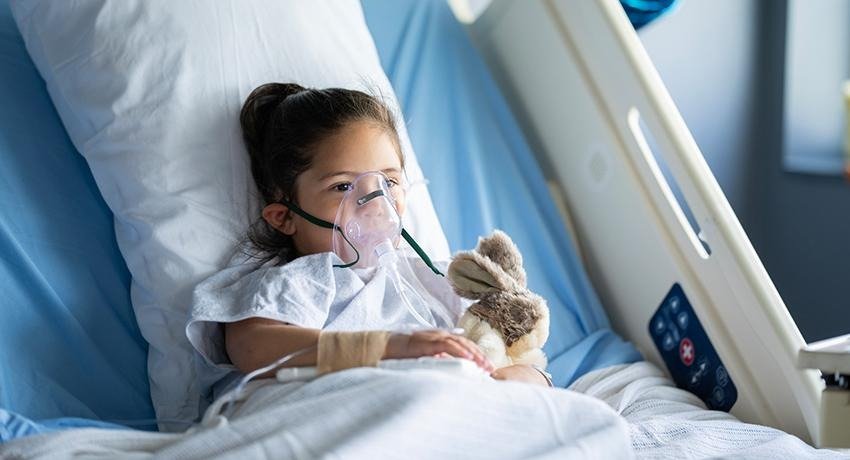
RSV is one of the leading causes of respiratory illness and hospitalization in infants. In young children, it can progress from mild congestion and cough to more serious lower respiratory tract infections such as bronchiolitis and pneumonia.
Older Adults
Adults, especially those over the age of 75 or those with chronic medical conditions, can also experience severe RSV-related illness. In older adults, RSV may worsen underlying health issues such as chronic lung disease, heart failure, or general frailty.
Patients With Underlying Health Conditions
Individuals with weakened immune systems, chronic respiratory disease, kidney disease, or other significant medical conditions may be more likely to experience complications if exposed during an extended RSV circulation period.
What a Longer RSV Season Means for Healthcare
A later-than-expected rise in RSV cases is more than a surveillance observation. It has direct implications for clinical care and healthcare planning.
1. Ongoing Diagnostic Vigilance
Healthcare providers may need to continue considering RSV in the differential diagnosis for patients presenting with respiratory symptoms, even when the expected peak season appears to have passed.
2. Extended Pressure on Clinical Resources
Pediatric clinics, emergency departments, and primary care settings may continue seeing RSV-related visits longer than anticipated, particularly if awareness drops while viral circulation remains active.
3. Importance of Timely Prevention
A prolonged season highlights the value of prevention strategies and timely protection for at-risk populations. It also reinforces the need for continued patient education during periods when people may wrongly assume seasonal risk has ended.
Recognizing RSV Symptoms Early
One of the challenges with RSV is that it often begins with symptoms that resemble a common cold, which can make it easy to underestimate.
Common symptoms may include:
- Runny nose
- Cough
- Mild fever
- Wheezing
- Reduced appetite or fatigue
In infants, symptoms may also include:
- Irritability
- Decreased activity
- Difficulty feeding
- Breathing difficulty
In adults, RSV may appear mild at first but can still lead to complications, particularly in those with pre-existing health conditions.
Why Surveillance and Seasonal Awareness Matter
Public health surveillance plays a critical role in understanding how respiratory viruses behave from year to year. The CDC monitors RSV through multiple systems, including laboratory testing trends, emergency care patterns, and hospitalization data. These tools help clinicians and health systems track whether RSV is following typical seasonal behavior or showing signs of extended circulation.
In today’s healthcare environment, where respiratory viruses can shift timing and intensity, staying informed through surveillance is essential for both clinicians and the public.
A Broader Public Health Reminder
The continued circulation of RSV later into the season serves as a reminder that respiratory infections do not always follow predictable timelines. Clinical readiness should not be based on assumptions alone. Instead, it should be guided by current data, patient risk factors, and ongoing vigilance.
For families, caregivers, and healthcare providers alike, the message is clear: if respiratory symptoms are present, RSV should still remain on the radar – even later in the season than expected.
Conclusion
The rise in respiratory syncytial virus (RSV) cases later than expected highlights an important shift in seasonal infection patterns. While RSV has traditionally been viewed as a winter-centered illness, recent trends suggest that the risk period may extend further into the year than many anticipate.
That extended risk window matters, particularly for infants, older adults, and vulnerable patients. As seasonal patterns evolve, maintaining awareness, early recognition, and clinical preparedness will remain essential to reducing complications and improving patient outcomes.