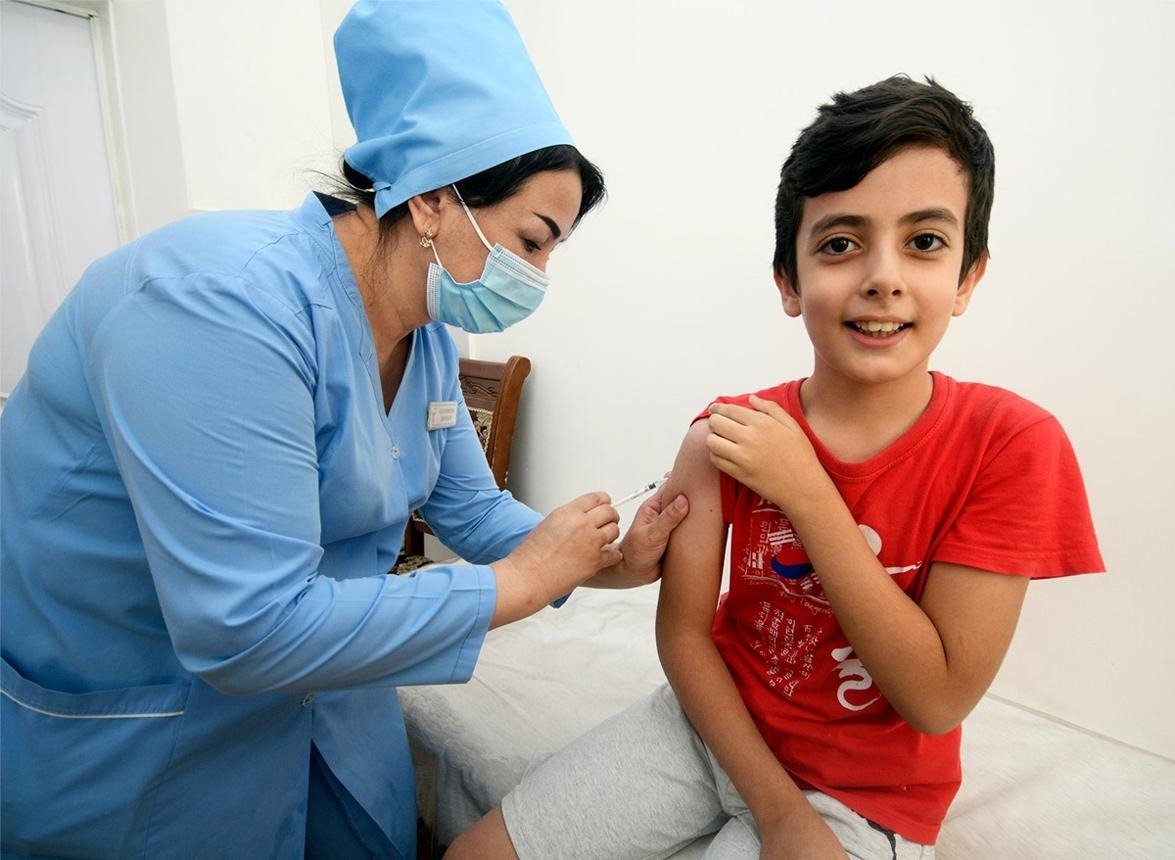
A suspected measles outbreak in Bangladesh has triggered serious public health concern after authorities reported that around 98 children may have died in the past three weeks, with thousands more showing symptoms. In response, the government has begun an emergency vaccination push in the worst-affected areas to contain the spread and protect vulnerable children.
Why This Outbreak Is So Concerning
According to official data, 6,476 children aged six months to five years were reported with suspected measles symptoms, while 826 cases and 16 deaths had been laboratory confirmed at the time of reporting. Health experts noted that the actual toll may be higher because testing is not always completed before severe cases deteriorate.
This situation is especially worrying because measles is one of the most contagious infectious diseases in the world. It spreads through coughing and sneezing and can lead to serious complications such as pneumonia, brain swelling, breathing difficulties, and even death, particularly in young or under-vaccinated children.
What May Be Driving the Surge
Public health officials have linked the outbreak to gaps in vaccination coverage, including a delayed measles immunization campaign that was originally expected earlier. Reports also pointed to vaccine shortages and weak program execution as major contributing factors. Bangladesh has now identified 30 high-burden areas and started targeted vaccination efforts, with plans to expand further if needed.
This outbreak is a reminder that even diseases considered preventable can return quickly when routine immunisation systems are disrupted.
What This Means for Public Health
Beyond the immediate crisis, the outbreak highlights a larger issue: preventive healthcare systems must remain strong even during political, logistical, or economic disruptions. Measles is not just a childhood rash. It is a fast-spreading viral infection that can overwhelm communities when vaccine coverage falls.
The most effective protection remains timely vaccination, early case detection, and rapid public health response. When those systems weaken, children are often the first to pay the price.
Final Thoughts
The suspected measles outbreak in Bangladesh is more than a regional health story. It is a warning about how quickly vaccine-preventable diseases can escalate when immunity gaps grow.
Emergency vaccination drives may help contain the current surge, but long-term protection will depend on consistent immunization coverage, reliable vaccine access, and stronger public health preparedness.
Because in infectious disease control, prevention is always more powerful than response.