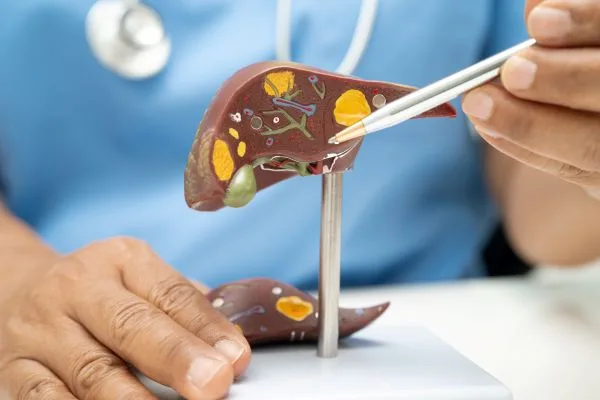
Liver transplantation saves lives—but it also comes with risks. One of the biggest challenges is ischemia-reperfusion injury (IRI), which happens when blood supply to the liver is temporarily cut off during surgery and then restored. This sudden restart can trigger inflammation and damage, sometimes leading to graft failure.
Now, researchers have discovered that two protective proteins—CEACAM1 and Human Antigen R (HuR)—may hold the key to reducing this complication. Their findings could transform the way liver transplants are managed and improve survival rates for thousands of patients.
What Did the Study Find?
- The Problem: During a liver transplant, IRI is almost unavoidable. This inflammation damages cells and can make a new liver fail.
- The Solution: Scientists found that CEACAM1 helps protect the liver from such injury. Together with HuR, it shields the organ from inflammatory damage.
- Evidence:
- In mice, boosting CEACAM1 and HuR reduced liver damage.
- Even discarded human livers (deemed unfit for transplant) showed protective benefits when these proteins were activated.
- Impact: This discovery could lead to safer transplants, fewer organ rejections, and higher success rates.
What Does It Mean for Doctors in India?
For Indian doctors, this research opens new doors:
- Better Transplant Outcomes
With liver disease on the rise in India, demand for transplants far outweighs supply. If CEACAM1 and HuR therapies are developed, they could help reduce transplant complications and improve outcomes. - Addressing Organ Shortages
Many donor livers are currently discarded due to poor viability. If these proteins can rejuvenate or protect such organs, more patients could receive lifesaving transplants. - Trend Going Forward
This is part of a global movement toward molecular-level interventions in transplantation—making surgeries safer and organs more durable. India’s healthcare sector will soon need to adopt these strategies.
Learnings for Doctors in India
- Stay Updated: Research like this shows how rapidly transplant science is evolving.
- Interdisciplinary Care: Doctors must collaborate with researchers, molecular scientists, and biotech innovators.
- Policy & Practice: Hospitals may need to rethink protocols for organ selection and preservation in the coming years.
At The Doctorpreneur Academy, doctors are learning not only the science but also the entrepreneurial edge required to adapt to such breakthroughs:
- Awareness Programs: Doctors in the Academy engage with cutting-edge medical research and explore how it applies to Indian practice.
- Digital Knowledge Sharing: Through blogs, webinars, and discussion groups, Academy doctors spread awareness about such innovations to peers and patients.
- Preparedness Mindset: By combining clinical skills with entrepreneurial thinking, our doctors are ready to integrate future therapies—like CEACAM1 and HuR-based interventions—into their practice as soon as they become available.
Final Thoughts
The discovery of CEACAM1 and HuR as liver-protective proteins is more than just a lab finding—it’s a step toward saving countless lives. For Indian doctors, it means preparing for a future where transplant medicine will rely not just on surgical expertise but also on molecular science.
At The Doctorpreneur Academy, we are helping doctors bridge the gap between research and real-world practice—equipping them to thrive in this era of medical innovation.
👉 For Doctors: Want to stay ahead of the curve in transplant medicine and other medical innovations? Join the Doctorpreneur Academy community today and be part of the change.
👉 To register for our next masterclass, please click here: https://linktr.ee/docpreneur