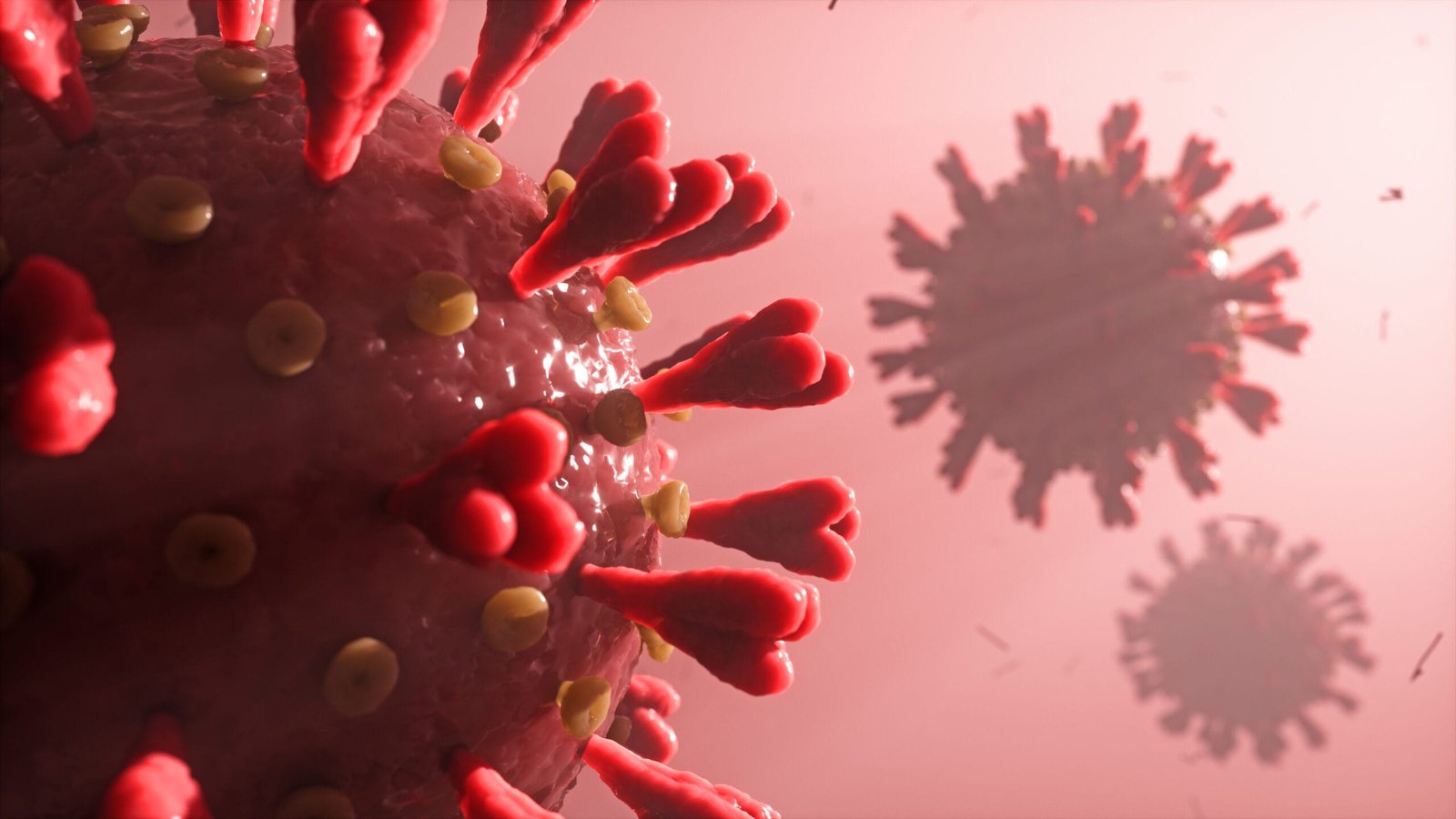
Even after vaccines and antivirals, COVID-19 continues to remind us it’s far from over. The reason? The virus behind it, SARS-CoV-2, is a master at adapting—finding new ways to enter, replicate, and spread inside human cells.
Now, scientists at Scripps Research have uncovered something game-changing: dozens of human proteins that the virus hijacks to complete its life cycle. This discovery, published in PLOS Biology (June 2025), could shift the focus of drug development from targeting the virus itself to targeting the host proteins it relies on—opening doors to next-generation therapies against not just SARS-CoV-2, but also future coronaviruses.
Cracking the Code: How the Virus Uses Us
Using a method called genome-wide siRNA screening, researchers silenced human genes one by one to see which ones the virus needed most.
- 32 proteins were found essential during the earliest stages of infection.
- 27 proteins helped the virus replicate and spread later.
- Some pathways were already known, but others were newly identified, expanding our understanding of how SARS-CoV-2 interacts with the host.
Key takeaway: the virus doesn’t just use its spike protein—it rewires our cells to become part of its machinery.
Two Promising Drug Targets
Among the dozens of proteins identified, two stand out:
1. Perlecan – The Viral Doorman
- Perlecan is a sugar-studded protein in the extracellular matrix (the supportive mesh surrounding cells).
- The SARS-CoV-2 spike protein latches onto perlecan, almost like a “co-receptor,” to gain entry.
- Blocking this interaction could stop infection at the door.
2. BIRC2 – The Inflammation Switch
- BIRC2 is part of an inflammation pathway.
- Researchers used Smac mimetics (drugs originally designed for cancer and HIV research) to block BIRC2.
- The result? Viral levels plummeted in both human cells and mice.
Why This Matters: Beyond SARS-CoV-2
The study went a step further: testing the same human proteins against SARS-CoV-1, MERS-CoV, and a seasonal coronavirus.
- Out of 47 proteins tested, 17 were consistently used by all three viruses.
- These included proteins that help viruses fuse, replicate, and exit cells.
- This means drugs targeting these human proteins could become pan-coronavirus therapies, effective against current and future pandemics.
And because these drugs target human proteins—not the virus—they’re less likely to fail due to viral mutations.
The Bigger Picture: Preparing for SARS-CoV-3?
The senior author of the study explains it well:
“If we have such antivirals ready ahead of time, we could deploy them early in a future coronavirus outbreak. That gives us a higher barrier to resistance and the potential to block multiple viruses with a single therapy.”
In other words, the fight against coronaviruses is shifting from chasing mutations to fortifying the host.
What This Means for Doctors in India
- Clinical Practice: Expect future antivirals to focus on host-directed therapies. Doctors will need to balance efficacy with the potential side effects of targeting human proteins.
- Public Health: This research strengthens the case for pandemic preparedness—stockpiling broad-spectrum antivirals alongside vaccines.
- Patient Education: Patients should understand that science is moving beyond reactive treatments towards proactive, future-ready defenses.
At The Doctorpreneur Academy, doctors are:
- Educating patients digitally about how viruses exploit the body and why new therapies matter.
- Staying future-ready by following emerging research in virology, immunology, and host-directed therapies.
- Collaborating and innovating to bring global research insights into Indian healthcare practice.
- Building awareness campaigns that frame prevention and preparedness as central to modern medicine.
Conclusion
COVID-19 won’t be the last coronavirus pandemic. By identifying the human proteins SARS-CoV-2 depends on, scientists are shifting the battle from fighting the virus to fortifying ourselves.
Doctors at The Doctorpreneur Academy are already preparing—educating patients, adapting to innovations, and embracing research that could one day stop SARS-CoV-3 before it starts.
💡 The future of antiviral medicine may not lie in killing the virus but in closing the doors it uses to get inside.
👉To register for our next masterclass, please click here: https://linktr.ee/docpreneur